
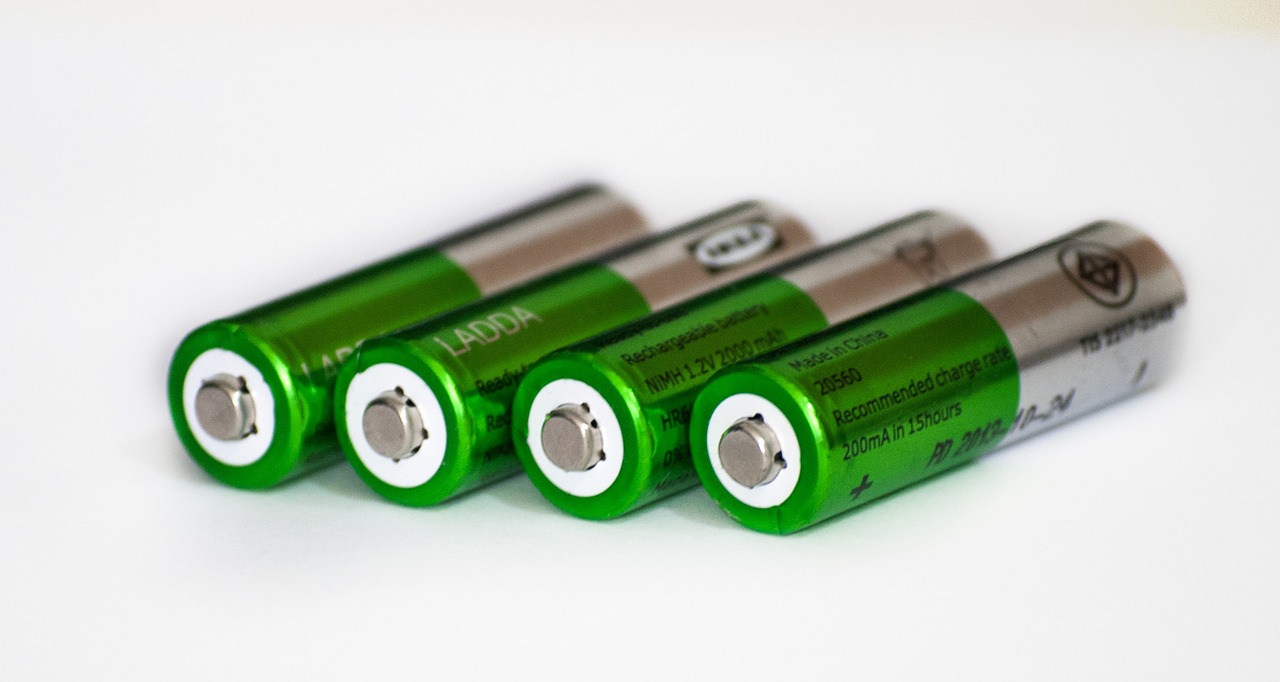
The German Battery Act (BattG) strictly regulates the disposal and marketing of batteries and accumulators. Anyone who sells batteries, rechargeable batteries, or products with permanently installed energy storage devices is legally considered a manufacturer. Despite the clear guidelines, many companies stumble over avoidable hurdles.
1. Incorrect classification of battery types
One of the most common mistakes is made right at the start: incorrect classification. The BattG distinguishes between device, vehicle, and industrial batteries.
- The risk: anyone who incorrectly reports an industrial battery as a device battery often pays the wrong fees and does not meet the specific take-back requirements.
- Important: device batteries are for private consumers (encapsulated, hand-held), while industrial batteries are designed exclusively for commercial or large-scale technical purposes.
2. Missing or inadequate take-back systems
Manufacturers are obliged to ensure the free return of used batteries. This is usually done by joining a collective return system.
- The mistake: Many companies register, but fail to keep their contract up to date or to correctly register all the brands they sell. Without a valid system, the distribution license expires immediately.
3. Incorrect quantity reports and reporting omissions
Data quality is being checked more and more closely by the authorities (EAR Foundation).
Data trap: Incomplete quarterly reports or incorrectly estimated annual quantities lead to discrepancies.
Consequence: If quantities are not reported or are reported incorrectly, there is a risk of audits by the Federal Environment Agency and high fines.
4. Outdated master data in the register
Is a company relocating, changing its name, or changing its management? Such changes must be updated immediately in the BattG register.
- The oversight: Registration documents are often created once and then forgotten. Outdated data can result in the registration number losing its validity.
5. Dangerous superficial knowledge: “Do It Yourself” compliance
Many companies try to handle the complex bureaucracy internally. Without specialized knowledge, this often leads to delays.
- Complexity: Foreign companies in particular require an authorized representative in order to legally participate in the German market. Attempting to do this yourself often leads to months of registration delays.
FAQ: Quick answers about the Battery Act
Do small online retailers have to comply with the BattG?
Yes. There is no de minimis limit. Even those who place a single battery on the market in Germany must be registered.
Do batteries in products (e.g., laptops) also fall under the BattG?
Definitely. The law does not distinguish between batteries sold separately and those permanently installed in a device.
Does the BattG also apply to imports from abroad?
Yes, absolutely. If you import batteries or products containing batteries directly from a non-EU country (e.g., China) to Germany, you are legally considered the first distributor (manufacturer). This means you bear full responsibility for registration and disposal. Important for online retailers: Even with dropshipping, you are responsible for compliance, as you are the seller to the end customer.
What happens if I don’t have a BattG registration number?
Without valid registration, you are not allowed to sell batteries in Germany. Marketplaces such as Amazon, eBay, or Kaufland are legally obliged to check your registration and immediately block offers without a registered number. In addition, violations are punishable by heavy fines from the authorities and costly warnings from competitors under competition law.
Conclusion: Legal certainty as the foundation for your growth
Those who ignore the Battery Act risk more than just fines — they jeopardize their entire sales structure. Complete BattG compliance is no longer a “nice-to-have,” but rather the ticket to legally compliant trade in Europe. With clean data management and proactive reporting, you can turn bureaucratic obligations into a real competitive advantage.