As of January 1, 2026, a significant change has taken effect at all municipal recycling centers and collection points in Germany. As part of the amendment to the Electrical and Electronic Equipment Act (ElektroG4), the so-called “counter model” becomes mandatory for certain categories of waste.
What is the counter model?
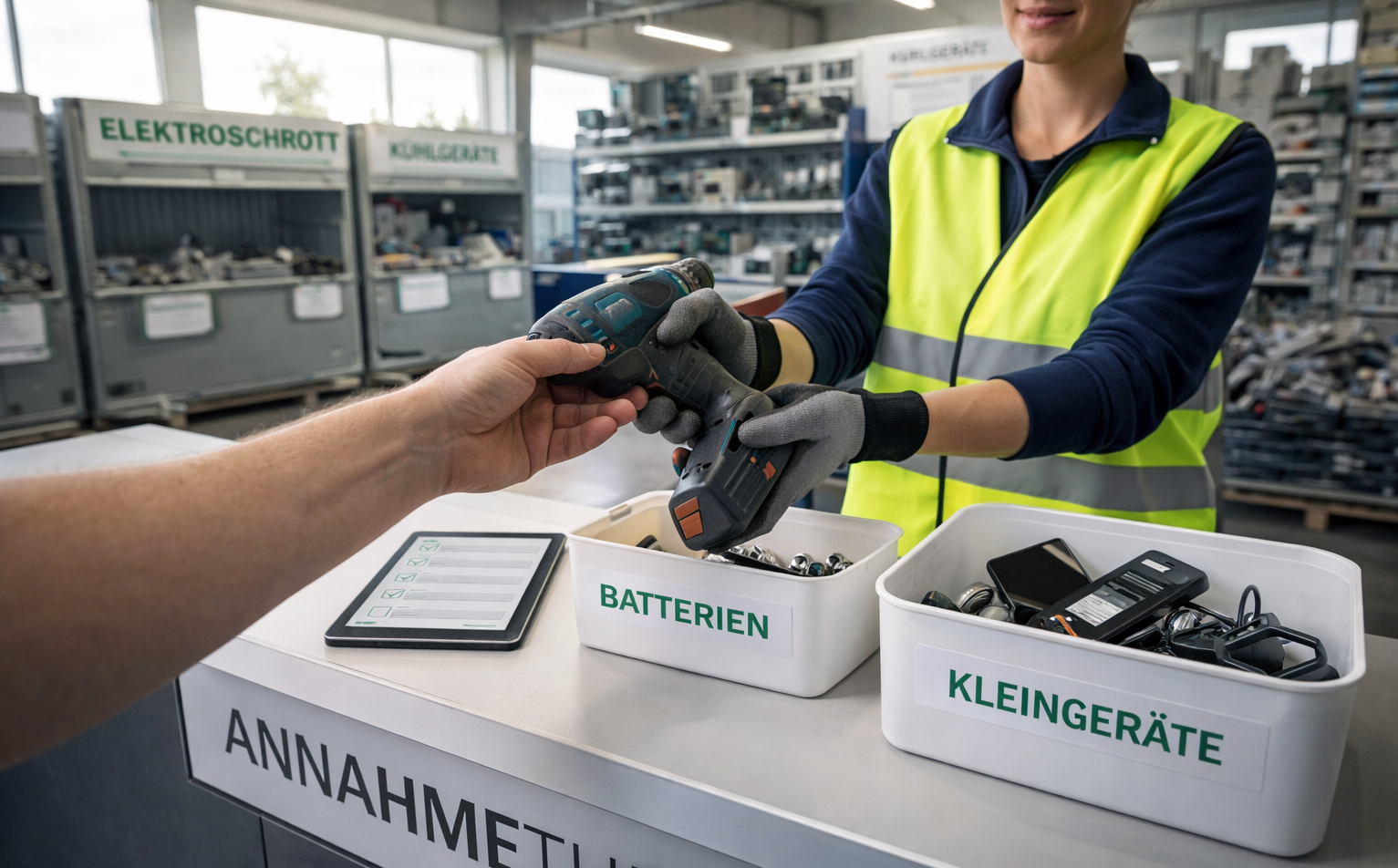
Consumers are no longer permitted to dispose of waste electrical equipment from collection groups 2, 3, and 5 in collection containers on their own. Instead, they must drop off the items at a central drop-off counter, where trained staff will inspect and properly sort the equipment.
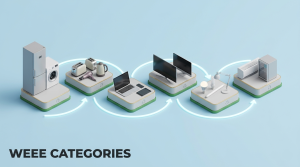
Affected device groups (examples)
The regulation primarily applies to devices that often contain built-in or removable lithium batteries:
- Collection group 2 (display devices): tablets, laptops, digital picture frames.
- Collection group 3 (lamps): LED lights with built-in rechargeable batteries.
- Collection group 5 (small appliances): cordless screwdrivers, electric toothbrushes, smartphones, smartwatches, or wireless earbuds.
Why is this measure necessary?
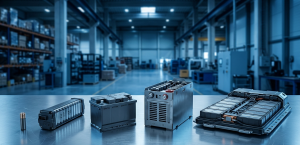
The risk of fire in waste disposal facilities and garbage trucks has risen dramatically in recent years. Lithium-ion batteries are usually the cause.
- Hidden danger: With many modern products, it is not possible to tell from the outside whether a battery is built-in (e.g., in “smart” textiles or toys).
- Mechanical stress: If these devices are carelessly thrown into large containers, the batteries can be crushed. This leads to short circuits and spontaneous combustion.
- Prevention: When damaged, a lithium battery reacts with thermal runaway (uncontrolled combustion). Simply throwing heavy devices onto smaller battery-powered devices in a container is often enough to trigger a fire.
The counter model ensures that potentially hazardous energy sources are identified and stored separately.
Challenges for Local Governments
- Staffing requirements: The model requires a staff member to be present at the counter at all times during opening hours, which poses logistical challenges, particularly for small recycling centers.
- Training: As new battery technologies and “smart” hybrid products (e.g., disposable vapes, smart clothing) are constantly entering the market, the law now explicitly requires ongoing staff training.
- Infrastructure: Recycling centers must adapt their collection areas structurally or organizationally.
Conclusion
The introduction of the counter model is a necessary response to technological advancements. This measure protects the infrastructure, ensures staff safety, and improves the quality of recycling.
Contact us for comprehensive advice on your compliance issues relating to electrical and electronic equipment, packaging, batteries, and PV panels.
 www.ecopv-eu.com/en/contact/ |
  E-Mail: info@ecopv-eu.com
 Supported over 20,000 customers with EPR compliance
Rated 5.0 on Google
Contact
We look forward to your message!