🔋 The New Battery Law of 2026: What Businesses Need to Know Now

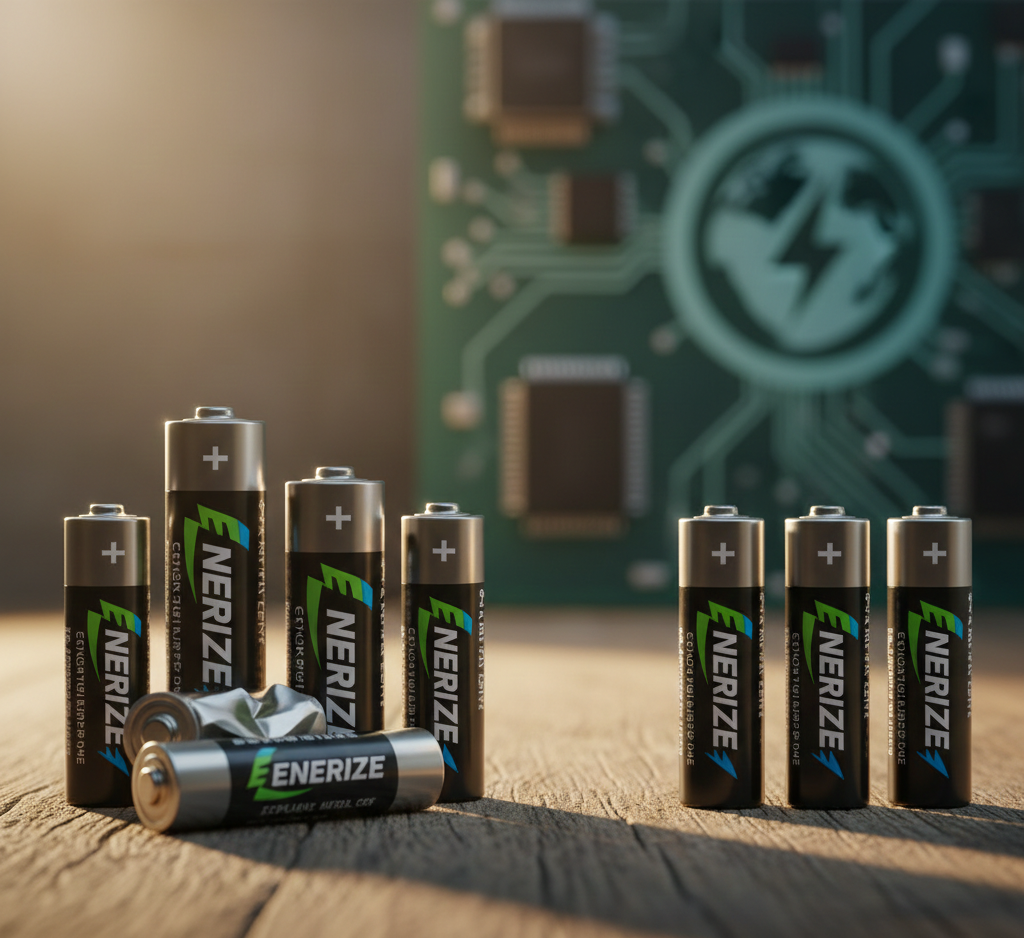
The battery market is changing rapidly—and so are the legal regulations. Anyone selling batteries, rechargeable batteries, or devices with built-in energy storage systems today faces significantly stricter requirements than they did just two years ago.


Why this issue now affects every distributor

The legal framework for batteries has been fundamentally redefined at the European level.

With the new EU Battery Regulation (effective February 2024) and the complementary German Battery Implementation Act (BattDG), lawmakers have significantly broadened the scope of the legislation.

This applies without exception to every company that commercially supplies batteries, rechargeable batteries, or products with integrated energy storage systems (such as laptops, e-bikes, or PV storage systems) for the first time in Germany or the EU.


Classification determines costs

Correctly classifying your batteries is essential. If you get this wrong, you’ll end up paying more or risking warnings.

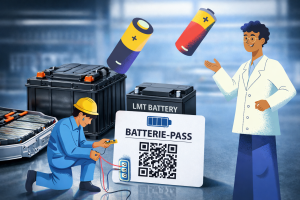
  • Categories: The distinction is no longer limited to consumer and industrial batteries. New categories, such as LMT batteries (e.g., for e-bikes), have their own rules.
  • The mistake: Reporting an industrial battery as a portable battery leads to incorrect fees and jeopardizes your compliance.


Mandatory participation in a take-back system (OfH)

Simply registering is no longer enough. The new law requires affiliation with an approved producer responsibility organization (OfH in german).


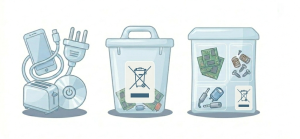
As one of the few OfH approved in Germany, ECOPV-EU handles all operational aspects and ensures legally compliant fulfillment of your take-back and recycling obligations in accordance with the new EU Battery Regulation.


Digital Monitoring: Focus on Quantity Reports

The authorities (ear Foundation) are scrutinizing reports more closely than ever before.

  • Data check: Incomplete or estimated quantity reports are quickly flagged by automated checks.
  • Consequence: Incorrect reports can result in fines of up to €100,000 and put a strain on your profit margin due to back payments.


Import & Authorization: Who Is Liable?

Do you import goods directly from non-EU countries (e.g., China) into Germany? If so, you are legally considered the manufacturer.


Important: Foreign companies must have an authorized representative in Germany in order to be registered. Without a representative, legal distribution is effectively impossible.


Practical Tips for Battery Compliance

  • Master Data Maintenance: Keep your registration information (address, management, trademarks) up to date at all times. Outdated data can result in the loss of your sales authorization.
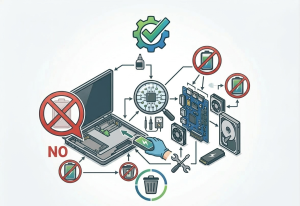
  • Verification requirement for purchases: When purchasing finished devices (e.g., laptops or PV storage systems), verify that the batteries inside have already been properly registered—otherwise, you are liable.
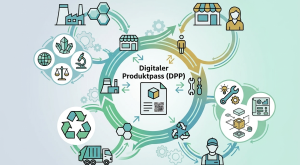
  • Looking ahead: Prepare for the digital battery passport and stricter recycling quotas.


Safety is the best strategy

Legal certainty is a real competitive advantage today. Companies that stay on top of battery regulations protect their supply chains and strengthen their partners’ trust.


Contact us for comprehensive advice on your compliance issues relating to electrical and electronic equipment, packaging, batteries, and PV panels.


📩www.ecopv-eu.com/en/contact/ | 📧 E-Mail: info@ecopv-eu.com 


⭐ Supported over 20,000 customers with EPR compliance

⭐ Rated 5.0 on Google


Contact

We look forward to your message!

info@ecopv-eu.com

+49 6196 5835357

Frankfurter Str. 70-72
65760 Eschborn

Leave a Reply

Your email address will not be published. Required fields are marked *