The digital battery passport is coming!

Starting in February 2027, the EU Battery Passport will become mandatory!


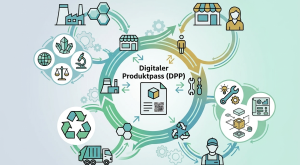
It is much more than just a label. It is the first step toward the Digital Product Passport (DPP) and will bring about lasting change across the entire industry.


What is the Battery Passport?

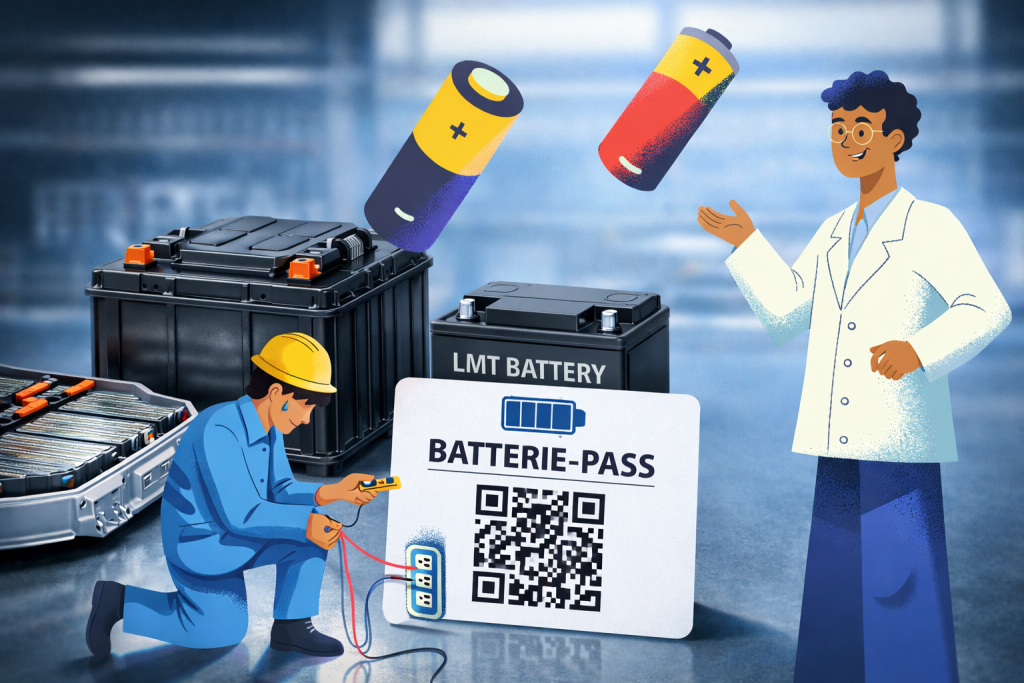
Imagine a digital record that tracks a battery’s entire lifecycle. A simple QR code printed directly on the casing makes all relevant data immediately accessible to businesses, government agencies, and consumers.


Who is affected?

Not every battery requires the pass. Starting in 2027, the requirement will apply to three specific categories that are central to the energy transition:

  • Electric vehicle batteries (traction batteries)
  • Industrial batteries (with a capacity of 2 kWh or more, including stationary storage)
  • LMT batteries (light vehicles such as e-bikes or e-scooters)


Who needs to take action?

The EU regulation refers not only to “companies” but to the responsible economic operators. For you, this means:


  • Manufacturers & producers: You must create the passport, aggregate the data, and physically affix the QR code.
  • Importers: Anyone importing batteries from third countries into the EU is responsible for ensuring that the passport is available and compliant.
  • Retailers: You must ensure that the products you offer bear the required labeling.


What’s in the digital passport?

Behind the QR code lies a massive amount of data.

The passport is a living document containing both static and dynamic data:


Manufacturer identity & production: Name, location, and technical support for complete traceability.
Chemical composition: Detailed overview of materials, including critical raw materials and heavy metals.
Carbon footprint: Transparent data on emissions—from the mine to the factory gate.
Dynamic State of Health (SoH): Current data on the battery’s remaining capacity and condition.
Recycling & recycled content quotas: Information on recyclability and the proportion of raw materials already recycled. The first mandatory quotas for the use of recycled cobalt, lithium, and nickel will not take effect until August 2031. However, the passport will serve as a documentation tool for this purpose even before then.
Due Diligence: Proof that raw materials were sourced in compliance with human rights and environmental standards.


Monitoring and Consequences

Authorities verify the data through document reviews, audits, and spot checks. The regulation stipulates that products may only be placed on the market if they are compliant.


A sales ban in the event of non-compliance is the ultimate consequence. Fines are set at the national level.


Why this is a strategic opportunity

The Battery Passport is far more than just an administrative requirement. It serves as a strategic tool for adding value.

  1. Proof of trust: Sustainability and fair supply chains become measurable and credible.
  2. Value retention: The transparent “State of Health” allows for the objective verification of the residual value of electric vehicles.
  3. Circular economy: Recyclers know exactly which valuable materials they can recover—securing raw materials for the future.


Conclusion

February 2027 marks the beginning of a new era of industrial transparency. However, companies should start preparing their IT infrastructure and supply chain data now.


Contact us for comprehensive advice on your compliance issues relating to electrical and electronic equipment, packaging, batteries, and PV panels.


📩www.ecopv-eu.com/en/contact/ | 📧 E-Mail: info@ecopv-eu.com 


⭐ Supported over 20,000 customers with EPR compliance

⭐ Rated 5.0 on Google


Contact

We look forward to your message!

info@ecopv-eu.com

+49 6196 5835357

Frankfurter Str. 70-72
65760 Eschborn

Leave a Reply

Your email address will not be published. Required fields are marked *