🇳🇱 EPR Compliance for Packaging in the Netherlands |
Guide and Checklist 2026

Extended Producer Responsibility (EPR) for Packaging – 7 Steps to Compliance + Step-by-Step Checklist

In the Netherlands, companies that place packaging on the market must fulfill their extended producer responsibility (EPR) through the organization Verpact. Legal obligations include collection, recycling, and reporting, and the new EU requirements of the Packaging and Packaging Waste Regulation (PPWR) are also relevant.

Here are the 7 most important steps for packaging EPR compliance in the Netherlands – including a checklist, an up-to-date overview of fees, and everything that will change as a result of the PPWR starting in August 2026.
🇳🇱 EPR Compliance for Packaging in the Netherlands |
Guide and Checklist 2026

Extended Producer Responsibility (EPR) for Packaging – 7 Steps to Compliance + Step-by-Step Checklist

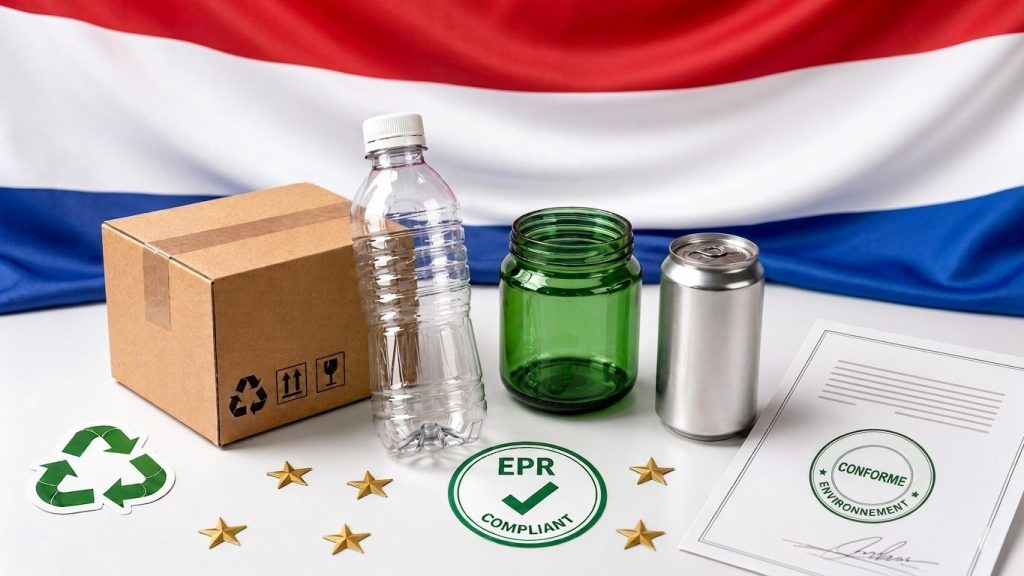
In the Netherlands, companies that place packaging on the market must fulfill their extended producer responsibility (EPR) through the organization Verpact. Legal obligations include collection, recycling, and reporting, and the new EU requirements of the Packaging and Packaging Waste Regulation (PPWR) are also relevant.

Here are the 7 most important steps for packaging EPR compliance in the Netherlands – including a checklist, an up-to-date overview of fees, and everything that will change as a result of the PPWR starting in August 2026.
Who is considered a “manufacturer”?

The obligation applies to the first commercial supply of packaged goods on the Dutch market. The following are considered manufacturers:

  • Companies based in the Netherlands:
    • Brand owners: Those who fill, package, or commission the packaging of products under their own brand name.
    • Importers: Anyone who imports packaged products into the Netherlands for commercial purposes and places them on the market.
  • Companies from other EU countries: Anyone who delivers packaged goods directly to Dutch end consumers (B2C) via distance selling (e-commerce) – including shipping boxes, bubble wrap, and packing material.
  • Companies outside the EU: In the case of direct B2C deliveries (e.g., dropshipping), the foreign company is considered the distributor. In traditional B2B supply chains, the obligation passes to the first importer established in the Netherlands.
  • Marketplace operators: Bol.com and Amazon.nl are subsidiarily liable under national law for the packaging volumes of their third-party sellers.

Effective August 12, 2026: If a foreign shipper delivers goods directly to end consumers or businesses in the Netherlands without a domestic intermediary, the so-called “domestic priority” rule applies. The foreign shipper thereby automatically becomes the first party in the chain of responsibility. They must register themselves in the Netherlands and report the packaging volumes.

Practical example: A German company ships cosmetic products in shipping cartons directly to Dutch end customers → is already considered a producer for packaging EPR → must register with Verpact → reports annual packaging volumes by material → as of August 12, 2026, direct reporting obligation as a producer under the PPWR, including for shipping packaging.

Types of Packaging and the Important Volume Threshold

Types of Packaging

TypeDescriptionExamples
Household Packaging Retail and primary packaging that typically ends up in household waste or in the PMD collection (plastic, metal, beverage cartons)Product packaging, beverage cartons, PET bottles
Commercial packagingB2B packaging that accumulates as waste in businesses, warehouses, or the food service industryIndustrial packaging, bulk containers
Transport packaging  Secondary packaging for securing goods during transportPallets, stretch film, strapping bands

Quantity threshold: 50,000 kg

The statutory exemption limit is 50,000 kilograms (50 tons) of packaging material per calendar year:

  • Over 50,000 kg: Mandatory registration with Verpact + payment of the variable waste management fee for packaging
  • Under 50,000 kg: Exemption from the variable fee

PPWR: After August 12, 2026, every company (including foreign online shops) that delivers packaging to the Netherlands will be required to report and pay fees starting from the first kilogram.

The 7 Most Important Steps for EPR Compliance in the Netherlands

Step 1: Appoint an Authorized Representative (for foreign companies)

Mandatory Authorized Representative for Distance Selling (effective August 12, 2026):
Companies without a physical business address in the Netherlands that sell goods via distance selling (e-commerce) directly to Dutch end consumers or business end users must appoint an authorized representative in the Netherlands as of August 12, 2026.

This strict legal requirement under the EU Packaging Regulation (PPWR) applies equally to foreign market participants – regardless of whether they are based in another EU country (e.g., Germany) or in a third country outside the EU.

Requirements for the authorized representative:

  • Headquarters in the Netherlands
  • Written power of attorney agreement in Dutch or English
  • Clear documentation of the signing authority of both company representatives
  • Hague Apostille not required as a standard

Step 2: Registration with Verpact

Verpact is the only government-recognized collective system for packaging EPR in the Netherlands.

Registration process:

  1. Set up an account on the Verpact reporting portal
  2. Enter company and packaging data
  3. Confirm the membership agreement
  4. Verpact submits the consolidated report for all affiliated companies directly to the RVO (Rijksdienst voor Ondernemend Nederland) – no separate contact with authorities is required

Step 3: Correctly classify packaging and prepare material data

The requirement mandates a precise breakdown of all packaging placed on the market in the Netherlands by material and type of use. To this end, a comprehensive packaging management system must be established.

Material streams subject to reporting:

MaterialCharacteristics
Plastic Most expensive category; separate bonus system
Paper & CardboardTraditionally lowest rate
GlassLow rates; stable recycling systems
Metal (Aluminum, Steel)Slightly increased rates in 2025/2026 (sorting system costs)
Beverage cartonsSlight rate increase in 2026 (rising targets, fragile supply chain)
WoodShipping pallets, etc.; separate category
Reusable packaging
Rate: €0.015/kg

Separate reporting:

  • Household packaging (B2C) and commercial packaging (B2B) must be recorded and reported separately
  • Shipping packaging (boxes, filling material) for e-commerce shipments to end customers counts as household packaging

PPWR Declaration of Conformity: Starting August 12, 2026, all producers must issue a declaration of conformity documenting that the packaging meets the requirements of the PPWR. This declaration includes a material overview with weight specifications.

Step 4: Financial Obligations & Contribution Structure

The Afvalbeheerbijdrage (Waste Management Contribution) is calculated per kilogram of packaging material placed on the market, differentiated by material stream.

Basic formula:

Net weight (kg) × Rate per material stream

Rate Differentiation (Modulation): The rate per kilogram for plastic can be significantly reduced if the packaging is particularly easy to recycle or contains a high certified recycled content. Poor packaging design (e.g., non-separable composites), on the other hand, increases the price per kilogram.

Step 5: Reporting Requirements

Annual Packaging Declaration (Standard):

  • Submission by March 31 of the following year for the preceding calendar year
  • Digitally via the Verpact Portal
  • Content: Material weights broken down by plastic, paper/cardboard, glass, metal, wood; separation by household and commercial share

Quarterly advance reports (for large manufacturers): Manufacturers with more than 100 tons of packaging material must submit quarterly advance reports upon request by Verpact to ensure the system’s financial liquidity.

Reporting requirement below the threshold: Even companies below 50,000 kg must submit a registration + zero report if they engage in platform activity (Bol.com, Amazon.nl).

Step 6: Labeling Requirements & Deposit Labels

  1. Recycling and Sorting Instructions (→ EU Harmonization): The Netherlands uses sorting pictograms. As part of the implementation of the PPWR, Verpact is preparing for a phased transition to EU-wide harmonized sorting logos, which will gradually replace national country-specific symbols.
  2. Deposit logo: Packaging subject to the Dutch deposit system must be marked with the official deposit logo and a specific, machine-readable EAN barcode.
  3. PPWR compliance marking (effective August 2026) Starting August 12, 2026, manufacturers must indicate their name, trade name, or registered trade name, as well as contact information, on the packaging or – if this is not possible – on the product information leaflet or website.

Step 7: Deposit System (Statiegeld) & Registration with Statiegeld Nederland

The Dutch deposit system is operated by Statiegeld Nederland – a subsidiary organization under the strategic umbrella of Verpact.

Products: Soft drinks, water, beer, and alcoholic mixed drinks in PET bottles and beverage cans.

Manufacturer obligations for beverages subject to a deposit:

  1. Separate product registration with Statiegeld Nederland (in addition to Verpact membership)
  2. Submit samples for barcode and form validation for reverse vending machines
  3. Pay a system fee per bottle/can (covers logistics and machine costs) – in addition to the deposit amount passed on to consumers
  4. Affix the deposit logo and EAN barcode to the packaging

Who is considered a “manufacturer”?

The obligation applies to the first commercial supply of packaged goods on the Dutch market. The following are considered manufacturers:

  • Companies based in the Netherlands:
    • Brand owners: Those who fill, package, or commission the packaging of products under their own brand name.
    • Importers: Anyone who imports packaged products into the Netherlands for commercial purposes and places them on the market.
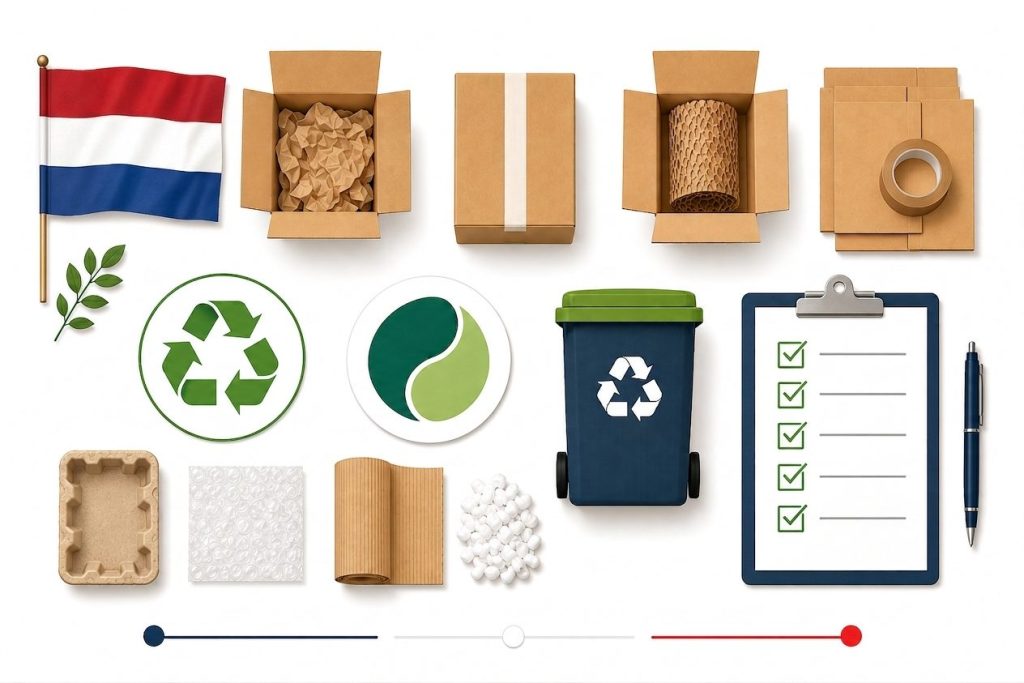
  • Companies from other EU countries: Anyone who delivers packaged goods directly to Dutch end consumers (B2C) via distance selling (e-commerce) – including shipping boxes, bubble wrap, and packing material.
  • Companies outside the EU: In the case of direct B2C deliveries (e.g., dropshipping), the foreign company is considered the distributor. In traditional B2B supply chains, the obligation passes to the first importer established in the Netherlands.
  • Marketplace operators: Bol.com and Amazon.nl are subsidiarily liable under national law for the packaging volumes of their third-party sellers.

Effective August 12, 2026: If a foreign shipper delivers goods directly to end consumers or businesses in the Netherlands without a domestic intermediary, the so-called “domestic priority” rule applies. The foreign shipper thereby automatically becomes the first party in the chain of responsibility. They must register themselves in the Netherlands and report the packaging volumes.

Practical example: A German company ships cosmetic products in shipping cartons directly to Dutch end customers → is already considered a producer for packaging EPR → must register with Verpact → reports annual packaging volumes by material → as of August 12, 2026, direct reporting obligation as a producer under the PPWR, including for shipping packaging.

Types of Packaging and the Important Volume Threshold

Types of Packaging

1. Household Packaging: Retail and primary packaging that typically ends up in household waste or in the PMD collection (plastic, metal, beverage cartons)

Example: Product packaging, beverage cartons, PET bottles

2. Commercial packaging: B2B packaging that accumulates as waste in businesses, warehouses, or the food service industry 

Example: Industrial packaging, bulk containers

3. Transport packaging: Secondary packaging for securing goods during transport

Example: Pallets, stretch film, strapping bands

Quantity threshold: 50,000 kg

The statutory exemption limit is 50,000 kilograms (50 tons) of packaging material per calendar year:

  • Over 50,000 kg: Mandatory registration with Verpact + payment of the variable waste management fee for packaging
  • Under 50,000 kg: Exemption from the variable fee

PPWR: After August 12, 2026, every company (including foreign online shops) that delivers packaging to the Netherlands will be required to report and pay fees starting from the first kilogram.

The 7 Most Important Steps for EPR Compliance in the Netherlands

Step 1: Appoint an Authorized Representative (for foreign companies)

Mandatory Authorized Representative for Distance Selling (effective August 12, 2026):
Companies without a physical business address in the Netherlands that sell goods via distance selling (e-commerce) directly to Dutch end consumers or business end users must appoint an authorized representative in the Netherlands as of August 12, 2026.

This strict legal requirement under the EU Packaging Regulation (PPWR) applies equally to foreign market participants – regardless of whether they are based in another EU country (e.g., Germany) or in a third country outside the EU.

Requirements for the authorized representative:

  • Headquarters in the Netherlands
  • Written power of attorney agreement in Dutch or English
  • Clear documentation of the signing authority of both company representatives
  • Hague Apostille not required as a standard

Step 2: Registration with Verpact

Verpact is the only government-recognized collective system for packaging EPR in the Netherlands.

Registration process:

  1. Set up an account on the Verpact reporting portal
  2. Enter company and packaging data
  3. Confirm the membership agreement
  4. Verpact submits the consolidated report for all affiliated companies directly to the RVO (Rijksdienst voor Ondernemend Nederland) – no separate contact with authorities is required

Step 3: Correctly classify packaging and prepare material data

The requirement mandates a precise breakdown of all packaging placed on the market in the Netherlands by material and type of use. To this end, a comprehensive packaging management system must be established.

Material streams subject to reporting:

Plastic: Most expensive category; separate bonus system

Paper & Cardboard: Traditionally lowest rate

Glass: Low rates; stable recycling systems

Metal (Aluminum, Steel): Slightly increased rates in 2025/2026 (sorting system costs)

Beverage cartons: Slight rate increase in 2026 (rising targets, fragile supply chain)

Wood: Shipping pallets, etc.; separate category

Reusable packaging: Rate: €0.015/kg

Separate reporting:

  • Household packaging (B2C) and commercial packaging (B2B) must be recorded and reported separately
  • Shipping packaging (boxes, filling material) for e-commerce shipments to end customers counts as household packaging

PPWR Declaration of Conformity: Starting August 12, 2026, all producers must issue a declaration of conformity documenting that the packaging meets the requirements of the PPWR. This declaration includes a material overview with weight specifications.

Step 4: Financial Obligations & Contribution Structure

The Afvalbeheerbijdrage (Waste Management Contribution) is calculated per kilogram of packaging material placed on the market, differentiated by material stream.

Basic formula:

Net weight (kg) × Rate per material stream

Rate Differentiation (Modulation): The rate per kilogram for plastic can be significantly reduced if the packaging is particularly easy to recycle or contains a high certified recycled content. Poor packaging design (e.g., non-separable composites), on the other hand, increases the price per kilogram.

Step 5: Reporting Requirements

Annual Packaging Declaration (Standard):

  • Submission by March 31 of the following year for the preceding calendar year
  • Digitally via the Verpact Portal
  • Content: Material weights broken down by plastic, paper/cardboard, glass, metal, wood; separation by household and commercial share

Quarterly advance reports (for large manufacturers): Manufacturers with more than 100 tons of packaging material must submit quarterly advance reports upon request by Verpact to ensure the system’s financial liquidity.

Reporting requirement below the threshold: Even companies below 50,000 kg must submit a registration + zero report if they engage in platform activity (Bol.com, Amazon.nl).

Step 6: Labeling Requirements & Deposit Labels

  1. Recycling and Sorting Instructions (→ EU Harmonization): The Netherlands uses sorting pictograms. As part of the implementation of the PPWR, Verpact is preparing for a phased transition to EU-wide harmonized sorting logos, which will gradually replace national country-specific symbols.
  2. Deposit logo: Packaging subject to the Dutch deposit system must be marked with the official deposit logo and a specific, machine-readable EAN barcode.
  3. PPWR compliance marking (effective August 2026) Starting August 12, 2026, manufacturers must indicate their name, trade name, or registered trade name, as well as contact information, on the packaging or – if this is not possible – on the product information leaflet or website.

Step 7: Deposit System (Statiegeld) & Registration with Statiegeld Nederland

The Dutch deposit system is operated by Statiegeld Nederland – a subsidiary organization under the strategic umbrella of Verpact.

Products: Soft drinks, water, beer, and alcoholic mixed drinks in PET bottles and beverage cans.

Manufacturer obligations for beverages subject to a deposit:

  1. Separate product registration with Statiegeld Nederland (in addition to Verpact membership)
  2. Submit samples for barcode and form validation for reverse vending machines
  3. Pay a system fee per bottle/can (covers logistics and machine costs) – in addition to the deposit amount passed on to consumers
  4. Affix the deposit logo and EAN barcode to the packaging

Step-by-Step Checklist

(a) Companies based in the Netherlands

1. Prepare an annual forecast of packaging volumes: Above or below the exemption threshold of 50,000 kg?

2. Set up packaging administration: Separate materials into plastic, paper/cardboard, glass, metal, wood, and beverage cartons + B2C/B2B breakdown

3. Set up an account with Verpact

4. Check for deposit requirements: Are beverages sold in PET bottles or cans? → Initiate parallel product registration with Statiegeld Nederland

5. Submit annual packaging declaration by March 31

6. Large manufacturers (>100 t): Ensure quarterly advance notifications to Verpact

7. PPWR effective August 2026: Prepare a declaration of conformity for all packaging

8. Retain documentation for ILT audits

(b) Companies from other EU countries

1. Check shipping volume: Determine the total weight of all packaging (including shipping boxes and packing materials) that remains in the Netherlands

2. Register with Verpact

3. Platform compliance: Submit the Verpact registration confirmation to Bol.com / Amazon.nl to maintain merchant status

4. Organize packaging data by material and B2C/B2B

5. Submit the annual packaging declaration by March 31

6. Starting August 12, 2026: As a foreign shipper, you will have a direct reporting obligation as a producer under the PPWR – no longer through the domestic recipient

7. Prepare the declaration of conformity

(c) Companies from third countries (outside the EU)

1. Option A – Supplying a Dutch B2B trading partner: The Dutch partner’s status as an importer means that they assume the EPR obligations. All exact material weights must be communicated to the partner in a timely manner for their Verpact declaration.

2. Option B – Direct B2C shipping to Dutch private customers: For administrative reasons, it is recommended to appoint a Dutch EPR service provider as an authorized representative; all steps from checklist (b) apply accordingly.

3. In both cases: Ensure Verpact registration before commencing sales on Dutch marketplaces.

Step-by-Step Checklist

(a) Companies based in the Netherlands

1. Prepare an annual forecast of packaging volumes: Above or below the exemption threshold of 50,000 kg?

2. Set up packaging administration: Separate materials into plastic, paper/cardboard, glass, metal, wood, and beverage cartons + B2C/B2B breakdown

3. Set up an account with Verpact

4. Check for deposit requirements: Are beverages sold in PET bottles or cans? → Initiate parallel product registration with Statiegeld Nederland

5. Submit annual packaging declaration by March 31

6. Large manufacturers (>100 t): Ensure quarterly advance notifications to Verpact

7. PPWR effective August 2026: Prepare a declaration of conformity for all packaging

8. Retain documentation for ILT audits

(b) Companies from other EU countries

1. Check shipping volume: Determine the total weight of all packaging (including shipping boxes and packing materials) that remains in the Netherlands

2. Register with Verpact

3. Platform compliance: Submit the Verpact registration confirmation to Bol.com / Amazon.nl to maintain merchant status

4. Organize packaging data by material and B2C/B2B

5. Submit the annual packaging declaration by March 31

6. Starting August 12, 2026: As a foreign shipper, you will have a direct reporting obligation as a producer under the PPWR – no longer through the domestic recipient

7. Prepare the declaration of conformity

(c) Companies from third countries (outside the EU)

1. Option A – Supplying a Dutch B2B trading partner: The Dutch partner’s status as an importer means that they assume the EPR obligations. All exact material weights must be communicated to the partner in a timely manner for their Verpact declaration.

2. Option B – Direct B2C shipping to Dutch private customers: For administrative reasons, it is recommended to appoint a Dutch EPR service provider as an authorized representative; all steps from checklist (b) apply accordingly.

3. In both cases: Ensure Verpact registration before commencing sales on Dutch marketplaces.

Are you planning to sell your products in the Netherlands?

We’ll help you ensure compliance with Dutch EPR regulations for packaging so you can get started with legal certainty.

Are you planning to sell your products in the Netherlands?

We’ll help you ensure compliance with Dutch EPR regulations for packaging so you can get started with legal certainty.

Contact

We look forward to your message!

info@ecopv-eu.com

+49 6196 5835357

Frankfurter Str. 70-72
65760 Eschborn

Contact

We look forward to your message!

info@ecopv-eu.com

+49 6196 5835357

Frankfurter Str. 70-72
65760 Eschborn