info@ecopv-eu.com

+49 6196 5835357

info@ecopv-eu.com

+49 6196 5835357

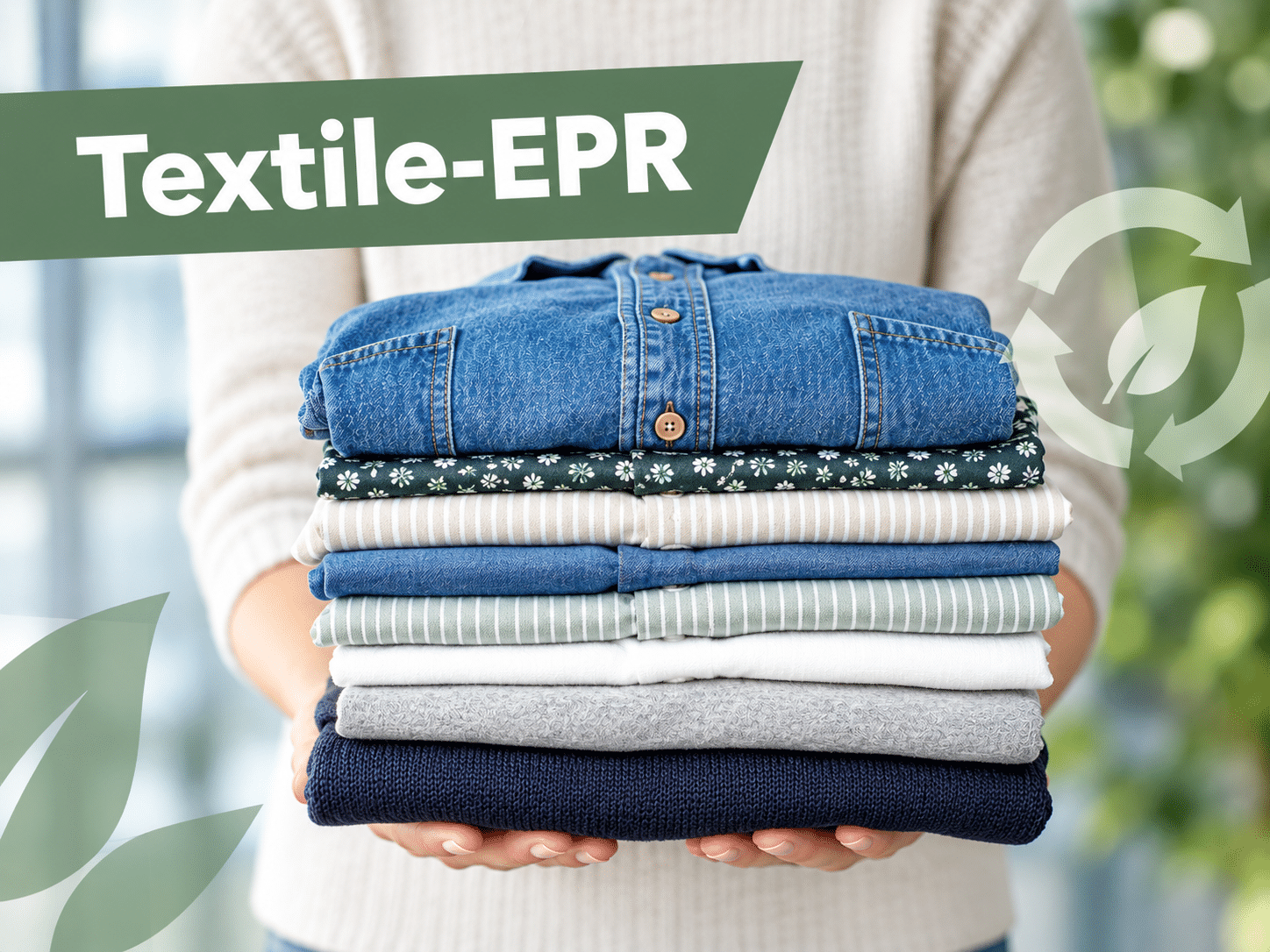
Textile EPR in Germany: What manufacturer responsibility entails

The draft of the German Textile Act is still pending, but the key points paper from the Federal Ministry for the Environment (BMUV) already clearly indicates the direction things are heading. As of today, October 12, 2026, the draft bill has not yet been released, but it is expected before the end of the year.

The paper is not a final law, but it provides important guidance for manufacturers, retailers, and marketplaces:

Who is considered a manufacturer? Anyone who commercially makes clothing, clothing accessories, home textiles, or shoes available on the German market for the first time (manufacturers, importers, retailers).

Obligations for foreign companies: They must appoint an authorized representative in Germany. Online marketplaces and fulfillment service providers are subject to verification obligations (marketplace liability).

Producer Responsibility Organizations (PROs): The plan calls for a system consisting of several private, competing PROs. Manufacturers must register with them and make financial contributions. The PROs finance nationwide collection and reimburse collectors for their expenses.

Planned Targets (based on the previous year’s weight):

70% collection rate

95% recovery of collected used textiles

85% combined preparation for reuse and recycling

Time is running out

Currently, there is no legally mandated, manufacturer-funded EPR system for textiles in Germany. However, EU regulations require Germany to transpose the EPR rules into national law by June 17, 2027, and to have the system up and running by April 17, 2028.

Developments in other product groups:

  • Packaging: Since August 12, foreign packaging manufacturers have been required to appoint an authorized representative.
  • E-waste: Germany has once again failed to meet the EU collection rate (29.8% instead of 65%). The German Environmental Aid Association (DUH) is calling for stricter producer responsibility.
  • EU Level: A Circular Economy Act has been announced for late 2026, in which EPR remains a central component.

What Companies Should Do Now

Check early on whether you are considered a first-place-on-the-market entity, how your supply chains are structured, and whether you need an authorized representative.

Contact us for comprehensive compliance consulting on electrical equipment, batteries, packaging, and PV panels – and subscribe to our newsletter to stay up to date on laws and trends.


📩www.ecopv-eu.com/en/contact/ | 📧 E-Mail: info@ecopv-eu.com 


⭐ Supported over 20,000 customers with EPR compliance

⭐ Rated 5.0 on Google

Contact

We look forward to your message!

info@ecopv-eu.com

+49 6196 5835357

Frankfurter Str. 70-72
65760 Eschborn