What Is the German Battery Act (BattG)? A Complete Guide for Manufacturers and Importers

What Is the German Battery Act (BattG)?

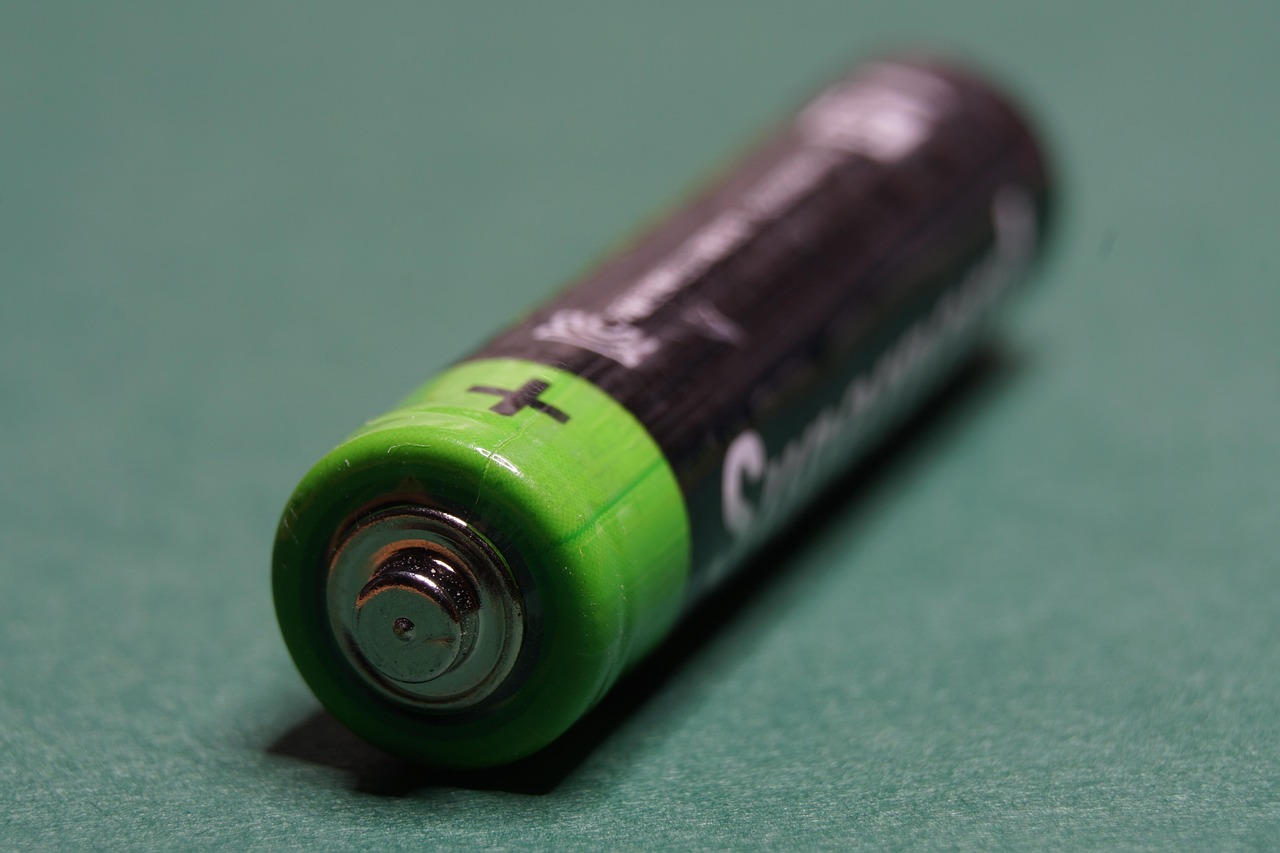
The German Battery Act (BattG) is a national regulation designed to ensure the environmentally responsible placing, collection, and recycling of batteries within Germany. It applies to manufacturers, importers, distributors, and online sellers who introduce batteries to the German market—either as standalone products or integrated into devices.

Background and legislative purpose

BattG implements the EU Battery Directive into German law. Its primary goal is to reduce hazardous waste, improve recycling rates, and ensure producers take responsibility for the full lifecycle of the batteries they place on the market.

Who enforces BattG?

BattG is monitored by the Foundation EAR (Stiftung Elektro-Altgeräte Register), which oversees registrations and compliance, alongside other authorities responsible for environmental protection and market surveillance.

Scope of BattG

Covered battery types: The Act applies to portable batteries, batteries for light means of transport (LMT), industrial batteries, starter batteries, and batteries for electric vehicles (EVs).


Market operators included: BattG affects manufacturers, importers, online retailers, fulfillment service providers, and marketplace sellers—even those based outside Germany.

Why BattG Matters for Businesses

Environmental responsibilities: Businesses must ensure proper labeling, safe return options, recycling, and consumer awareness to prevent harmful substances from entering the environment.


Legal and financial risks: Non-compliant operators risk hefty fines, forced sales stops, and withdrawal of listings from e-commerce platforms like Amazon and eBay.

Key Responsibilities Under BattG

Registration: Before selling batteries in Germany, companies must register with Stiftung EAR and receive a valid registration number.


Collection and take-back: Producers must provide accessible take-back points and participate in recognized collection systems.


Reporting obligations: Regular reporting on quantities placed into the market is mandatory for transparency and recycling targets.

Consequences of Non-Compliance

Legal penalties: Violations may result in fines reaching €100,000+, product bans, or legal enforcement actions.


Platform sales restrictions: Marketplaces can block listings lacking valid BattG registration numbers.

How to Stay Compliant

Best practices

  • Register early with Stiftung EAR
  • Track battery quantities accurately
  • Maintain clear recycling instructions
  • Implement internal compliance checks


Choosing professional partners

Specialized EPR service providers help manage registration, reporting, and take-back requirements—reducing administrative burdens.

FAQ

Do foreign sellers need BattG registration?

Yes, if they sell into Germany.


Does BattG apply to embedded batteries?

Absolutely.


Can Amazon require proof?

Yes—platform verification is common.

Conclusion & Next Steps

BattG compliance is essential for legal sales, environmental protection, and platform visibility. Manufacturers and importers should register early, follow reporting rules, and consider expert support to ensure smooth, risk-free market access in Germany.


Contact

We look forward to your message

info@ecopv-eu.com

+49 6196 5835357

Frankfurter Str. 70-72
65760 Eschborn