The German Battery Act (BattG) sets strict rules for placing batteries on the German market, aiming to improve collection, recycling, and environmental protection. Any company selling batteries—whether single units or integrated into products—must complete mandatory registration before commercial distribution. Failure to comply can result in sales bans, platform restrictions, and administrative penalties.
Who Needs to Register
Manufacturers vs. importers vs. distributors
Registration applies to any entity first placing batteries on the German market. Manufacturers located in Germany, importers bringing batteries into Germany, and distributors who rebrand products are all treated as “producers” under BattG.
Before You Start
Required documents
You’ll need basic company details, responsible person information, VAT/tax IDs, and product category specifications. Copies of commercial registry entries may also be required.
Company identification requirements
Foreign companies must appoint an authorized representative located in Germany to act as a legal contact.
Step-by-Step Registration Process
Selecting a collective take-back system
Producers must join a recognized take-back scheme that coordinates nationwide collection and recycling. Without participation, registration cannot be completed.
Submitting manufacturer information
Create an account in the BattG registry (market surveillance authority) and provide company contact data, brand names, and the type of batteries placed on the market.
Product category selection
You must correctly classify batteries into portable, industrial, or automotive categories, along with chemistry details such as lithium or lead-acid.
Registration Timeline
Processing time expectations
Approvals typically take several weeks, depending on documentation completeness and workload. Delays are common when product categories or authorized representative information are incorrect.
After Registration
Reporting duties
Producers must regularly report battery quantities placed on the market, usually quarterly or annually, depending on system requirements.
Labeling and documentation
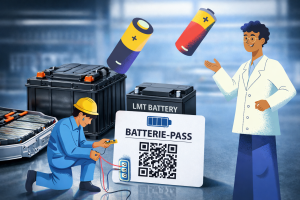
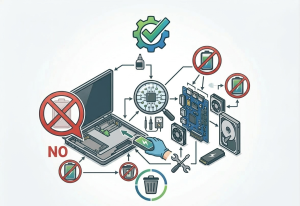
All batteries must carry proper symbols—especially the crossed-out wheeled bin icon—and safety markings. Documentation should be retained for audits.
Common Registration Pitfalls
Incorrect battery classification
Misclassification leads to delays and potential legal liability. Always verify whether batteries are portable, automotive, or industrial.
Missing representative appointment
Non-EU companies must appoint a German Authorized Representative (Bevollmächtigter). Application rejection is common when this step is overlooked.
FAQ
Do integrated batteries need registration?
Yes—if you place products containing batteries on the market, you are obligated.
Can I sell before approval?
No. Sales before registration are prohibited.
Is registration free?
The registration process involves relevant costs such as official fees, account management, and recycling system expenses.
Compliance Support & Assistance
Navigating BattG requirements can be complex, especially for foreign sellers or drop-shipping brands. Professional compliance partners help ensure correct classification, timely reporting, and legally compliant labeling—reducing the risk of fines and marketplace restrictions. For smooth, cost-effective entry into the German market, expert guidance is highly recommended.