The way we manufacture and use products is changing radically. But what do these technical terms mean in practice?
1. Linear Economy: Yesterday’s Model
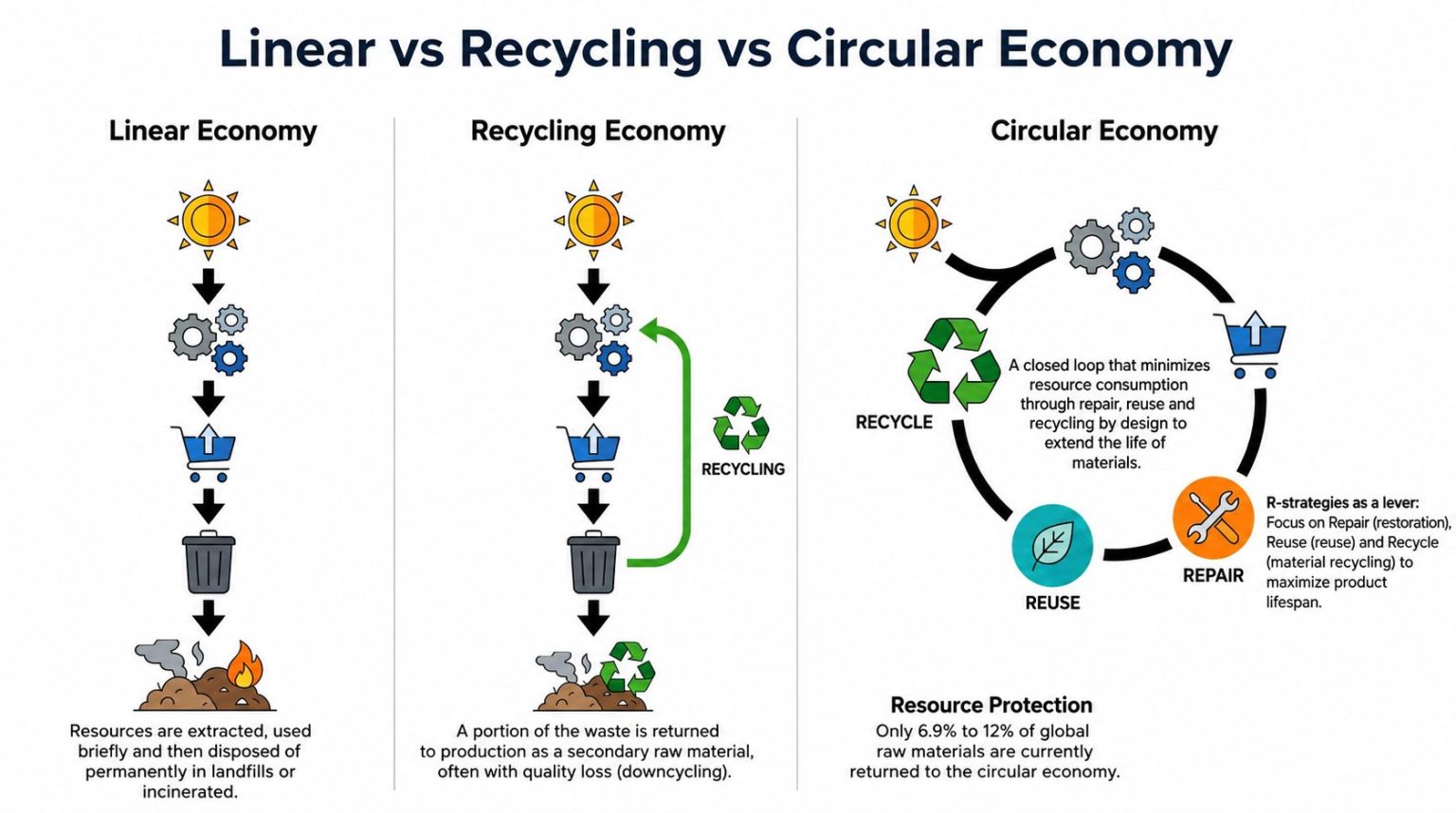
The linear economy follows the “take-make-waste” principle.
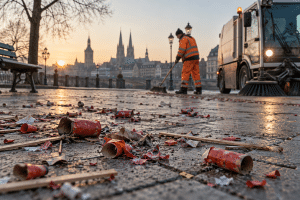
Raw materials are processed and disposed of as waste after a short period of use.
- Examples: Single-use packaging, cheap electronics, or fast fashion.
- Risk: In addition to environmental impacts, this leads to value destruction, dependence on raw materials, and rising costs due to CO₂ and waste pricing.
2. Recycling economy: The bridge
Here, the aim is to convert waste at the end of its life cycle into secondary raw materials. Product design remains linear; the focus is purely on waste streams.
- Examples: Separate collection of paper, glass, or metals.
- The catch: Recycling is often energy-intensive. Furthermore, with “downcycling,” material quality declines with each cycle until the product ends up in the trash.
3. Circular Economy: The Regenerative System
A true circular economy goes far beyond recycling. The circular system preserves the value of resources and products for as long as possible.
- Biological Cycle: Consumable goods (e.g., natural fibers) return safely and regeneratively to nature.
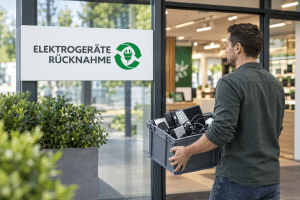
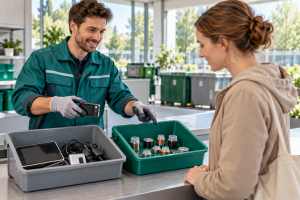
- Technical Cycle: Durable goods (e.g., electronics) remain in the cycle through sharing, reuse, repair, and remanufacturing.
- The Lever: Eco-design focuses on durability, modularity, and easy disassembly from the very beginning.
- Practical examples: Modular smartphones, batteries with replaceable components, or rental models for machinery.
Regulatory tailwind
The EU Ecodesign Regulation (ESPR) makes circular products the standard in the EU internal market to drastically reduce environmental impacts over the product lifecycle. At its core is the Digital Product Passport (DPP). It provides data on materials, repairs, and the carbon footprint. The requirement will be phased in starting in 2026/2027 for textiles, batteries, and electronics.
Feasibility for Small and Medium-Sized Enterprises (SMEs)
For SMEs, the transition poses a significant structural challenge.
- The hurdle: About 86% of SMEs do not have a carbon footprint; over 90% are concerned about the data requirements. The EU is therefore granting longer transition periods.
- The opportunity: Circular models offer competitive advantages, secure supply chains, and open up new business areas such as repair or take-back services.
- Support: Funding programs such as “KMU-innovativ” provide financial support for resource efficiency projects.
Conclusion
The transition to the circular economy is not a sprint, but a strategic transformation. Those who start with design today secure market access for tomorrow.
Contact us for comprehensive compliance consulting on electrical appliances, batteries, packaging, and solar panels – and subscribe to our newsletter to stay up to date on the latest laws and trends.
 www.ecopv-eu.com/en/contact/ |
  E-Mail: info@ecopv-eu.com
 Supported over 20,000 customers with EPR compliance
Rated 5.0 on Google
Contact
We look forward to your message!