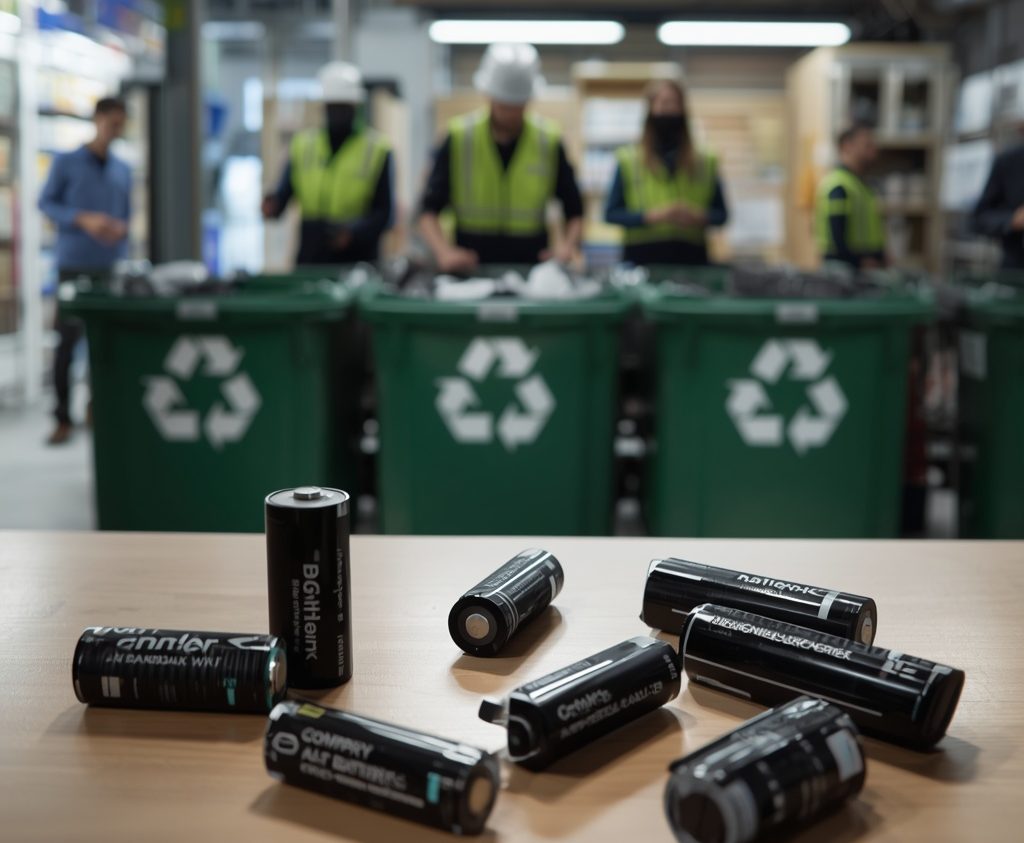
The amount of portable batteries collected is steadily increasing!

The amount of used batteries and rechargeable batteries collected in Germany continues to rise. More and more consumers are disposing of used batteries properly through retailers, recycling centers, or voluntary collection points.
Nevertheless, many unused batteries remain in households or are mistakenly thrown away with household trash.

Current Figures and Targets

  • History & Present: The collection rate rose from 45.6% (2020) to 53.8% (2024: 31,876 metric tons) and approximately 56.3% in 2025.
  • Legal Status: This solidly exceeds the current national minimum target of 50%.
  • EU Requirements: The EU regulation mandates a rate of 63% by the end of 2027 and as high as 73% by 2030.

As a new government-approved take-back system, ECOPV-EU is also helping to further increase these rates starting in 2026.

To achieve the future stringent EU targets, Germany is relying on a three-pillar package of measures.

1. Transparency and Consumer Information

  • Waste bin symbol: The crossed-out waste bin on packaging indicates a strict ban on disposal in household waste.
  • Awareness campaigns: Initiatives like “Plan E” raise awareness about hidden batteries in everyday products, such as flashing children’s shoes.
  • Battery passport: Starting in February 2027, a digital product passport for larger industrial and traction batteries will facilitate sorting during recycling.

2. Optimizing the Return Infrastructure

  • Retailer Responsibility: Retailers offer convenient return options and are increasingly accepting e-bike batteries and disposable e-cigarettes.
  • Collection Boxes: Green boxes in supermarkets and drugstores offer maximum convenience for everyday use.
  • In-Person Drop-Off: Direct drop-off at recycling centers increases material purity and reduces fire risks posed by lithium batteries.

3. Sustainable Product Design (Design for Recycling)

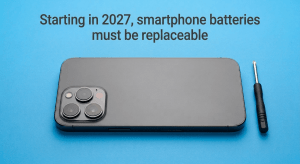
  • Interchangeability: Starting in February 2027, the EU will ban permanently glued-in batteries in smartphones and laptops. End users must be able to replace batteries themselves using standard tools.

Conclusion and Outlook

Despite positive trends, the path to achieving the EU’s 2027 and 2030 targets remains challenging. Success requires seamless coordination between easy battery removal, technological innovation, and active consumer participation in the circular economy.

Do you have questions about your EPR compliance?


Whether it’s EAR registration, insolvency-proof guarantees, communication with authorities, or reporting requirements: We reliably support manufacturers in fulfilling their legal obligations.
Contact us!


📩www.ecopv-eu.com/en/contact/ | 📧 E-Mail: info@ecopv-eu.com 


⭐ Supported over 20,000 customers with EPR compliance

⭐ Rated 5.0 on Google

Contact

We look forward to your message!

info@ecopv-eu.com

+49 6196 5835357

Frankfurter Str. 70-72
65760 Eschborn

Leave a Reply

Your email address will not be published. Required fields are marked *