Effective July 19: EU bans the destruction of unsold clothing

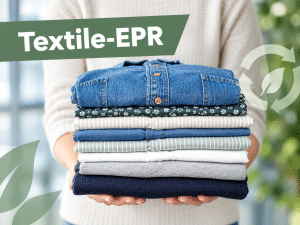
As of July 19, 2026, a historic ban has been in effect in the EU: Large fashion companies are no longer allowed to simply shred, burn, or send unsold clothing, shoes, and accessories to landfills. Exceptions are possible under certain conditions, such as for health, safety, or damage-related reasons.

Why the law is necessary

  • Waste of resources: The European Environment Agency estimates that 4 to 9% of textile products placed on the market in Europe are destroyed without ever having been used for their intended purpose.
  • Environmental impact: The production of clothing requires large amounts of water, raw materials, and chemicals. If the clothing is subsequently destroyed without being used, these resources are effectively wasted.

Who is affected?

  • Effective immediately: Large companies.
  • Effective July 2030: Medium-sized companies.
  • Exempt: Micro and small enterprises.

What Companies must do now

Instead of destroying unsold merchandise, companies must take steps to avoid this as much as possible.

  • Reuse: Repair, refurbish, or resell products in outlet stores or secondhand shops.
  • Donate: Donate usable items to nonprofit organizations.
  • Report: Companies that dispose of unsold products must publicly disclose the quantities, reasons, and disposal methods annually. Additional requirements for standardized reporting will take effect in February 2027.

Exports remain an open question

A significant portion of used and surplus textiles is exported from Europe to third countries. The EEA points out that some of these exports ultimately end up as waste in landfills or are incinerated. This creates the risk that environmental impacts are merely shifted outside the EU.

Conclusion

In the future, successful brands must place greater emphasis on durable eco-design, better inventory planning, and circular business models to avoid overproduction and the destruction of unsold goods. The Digital Product Passport will also play an important role under the ESPR in the future.

Contact us for comprehensive advice on your compliance issues relating to electrical and electronic equipment, packaging, batteries, and PV panels.


📩www.ecopv-eu.com/en/contact/ | 📧 E-Mail: info@ecopv-eu.com 


⭐ Supported over 20,000 customers with EPR compliance

⭐ Rated 5.0 on Google