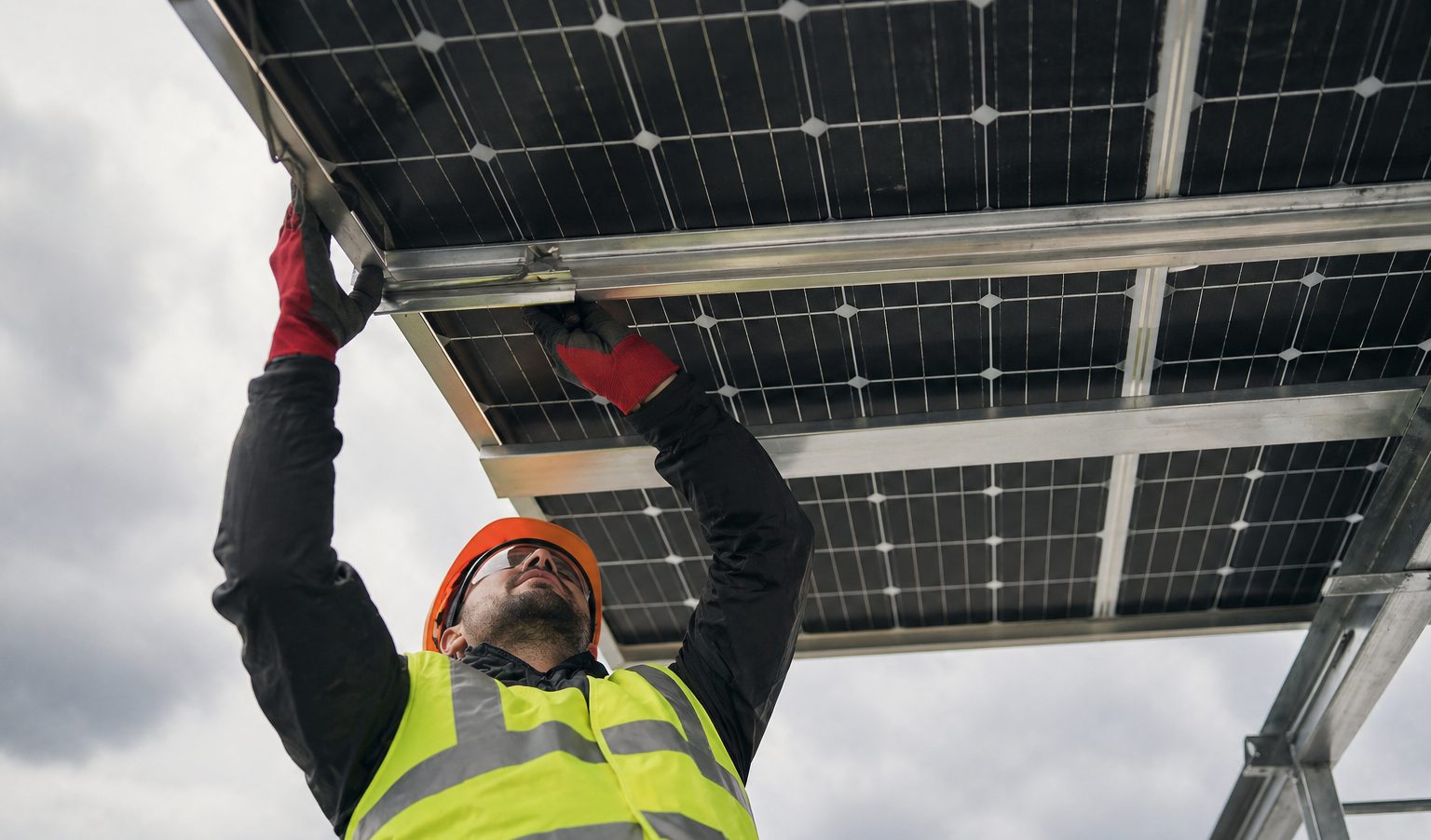
As of February 1, 2025, it is mandatory in Germany to provide the ZEREZ ID for the grid connection of newly commissioned power generation systems (e.g., PV systems, wind turbines, CHP units).
What exactly is ZEREZ?
ZEREZ stands for the “Central Register for Unit and Component Certificates.” It consolidates the technical documentation for power generation facilities and their components (such as inverters or battery storage systems) in a single central location.
Registration in the registry has been mandatory for all relevant components since February 1, 2025. Manufacturers must register products such as inverters and battery storage systems in the central registry to obtain a ZEREZ ID. This ID serves as proof of hardware compliance for grid operators; without this digital proof, approval for grid connection will be denied.
Background of ZEREZ Registration
The introduction of mandatory ZEREZ registration aims to ensure uniform technical standards and safeguard the long-term stability of the power grid. Mandatory registration ensures that only technically sound systems are integrated into the grid infrastructure. This promotes transparency, serves as a quality assurance measure, and supports the safe implementation of the energy transition.
Which devices are affected?
The registration requirement applies to all components that significantly influence the electrical characteristics at the grid connection point:
- Inverters: The heart of every PV system. A ZEREZ ID for the unit certificate is mandatory here.
- Battery storage systems: If they are operated in parallel with the grid, they also require an ID for their certificate.
EZA controllers: Components that control the entire system (often relevant for commercial systems).
Protective devices: Central grid and system protection, if installed separately.
Generation units: In addition to photovoltaics, wind turbines, CHP units (combined heat and power plants), fuel cells, and hydroelectric plants are also subject to the reporting requirement, provided they feed into the public grid.
Important distinction:
- Solar modules: For the modules themselves, a direct ZEREZ ID is usually not required for the system operator, but it is required for the installed inverter/storage unit.
- Small control systems: Only components that have a direct impact on grid security are subject to registration.
Who is specifically affected by this requirement?
- Manufacturers of system components (e.g., inverters, battery storage systems): They must register their certificates on the ZEREZ portal and provide the IDs.
- Certification bodies: They upload the issued certificates directly to the registry or validate them.
- Grid operators: They use the ZEREZ database to automatically check the grid compatibility of registered systems.
- System operators & installers: When registering the system, they must provide the correct ZEREZ IDs for the components so that the grid connection can be approved.
How does registration work, and who is responsible?
The necessary certificates are not submitted by the operators themselves, but by the manufacturers of the respective components.
- Submission & Validation: Manufacturers or accredited certification bodies upload the unit and component certificates to www.zerez.net. There, they are checked for authenticity and compliance.
- Assignment of the ZEREZ ID: Once the certificate is validated, the system generates a unique ZEREZ ID for the respective product (e.g., a specific inverter type).
- Retrieval & Use: Installers or system planners search the public database for the manufacturer and model. The ID found is copied and submitted to the grid operator during registration.
Where can you find the ID?
The ZEREZ-ID can be looked up free of charge and without registration at www.zerez.net.
Conclusion
ZEREZ is not an additional burden for plant operators, but rather an important milestone in the digitization of grid connections in Germany. By eliminating the need for manual PDF checks, the process becomes significantly more efficient and less prone to errors.
Anyone planning a new system should – ideally in collaboration with the installer – ensure early on that the selected hardware is already listed in the registry. Since well-known manufacturers have already submitted their certificates there, the administrative burden for the end customer remains minimal, while security and transparency for the entire power grid increase sustainably.
Contact us for comprehensive advice on your compliance issues relating to electrical and electronic equipment, packaging, batteries, and PV panels.
 www.ecopv-eu.com/en/contact/ |
  E-Mail: info@ecopv-eu.com
 Supported over 20,000 customers with EPR compliance
Rated 5.0 on Google
Contact
We look forward to your message!