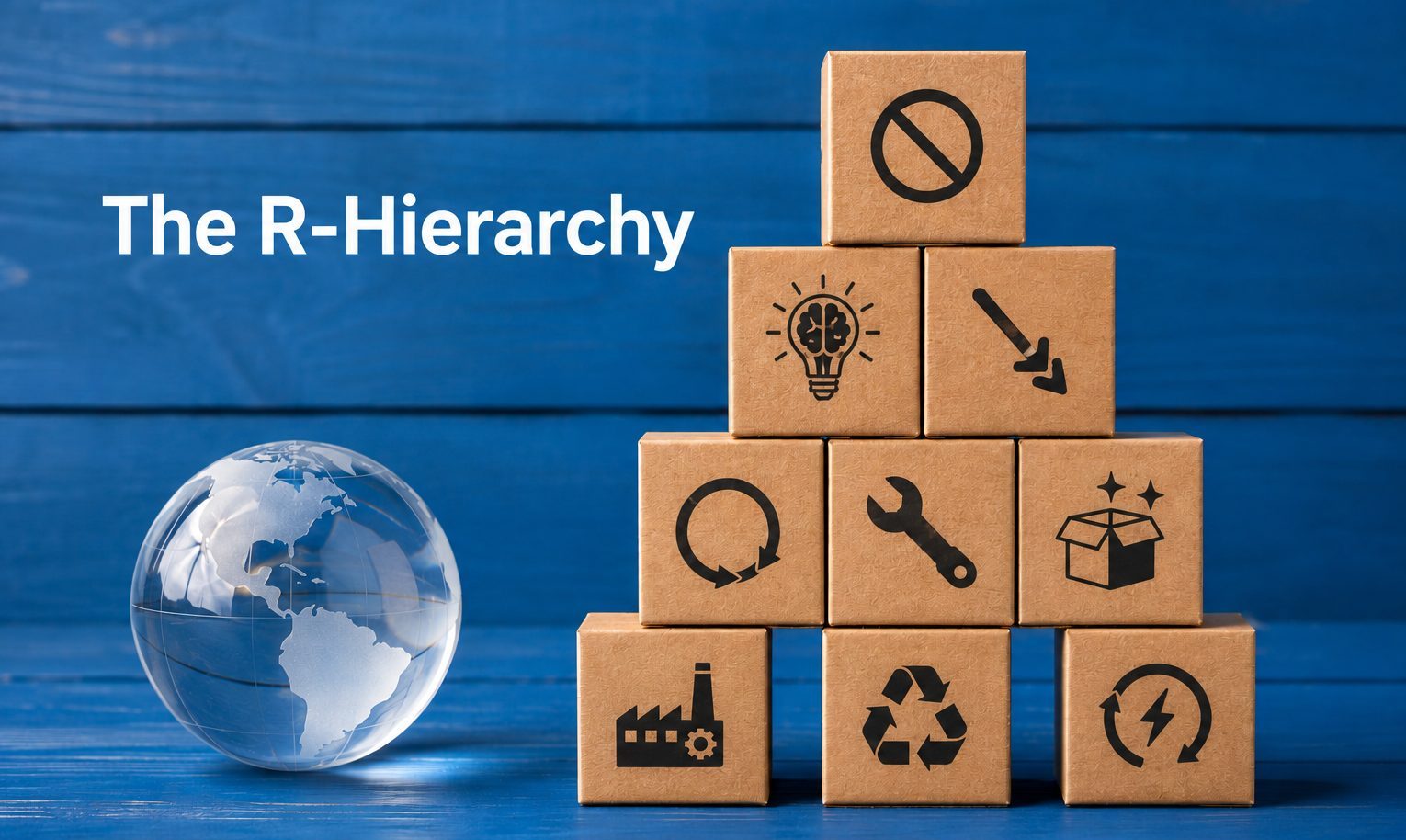
In public discourse, recycling is often regarded as the ultimate solution. However, the scientific and legal waste hierarchy shows that material recycling is merely a “long loop.” It only comes into play when higher-priority strategies fail.
The core principle: The earlier a measure is implemented, the shorter the loop and the more resources (energy, labor, material value) are conserved.
The Three Strategic Loops
1. Short Loops (R0–R2): Intelligent Use & Design
- R0 Refuse: Avoiding the unnecessary (e.g., digital processes instead of physical media).
- R1 Rethink: Intensifying use (e.g., through Product-as-a-Service models).
- R2 Reduce: Minimize material use in product design.
2. Medium Loops (R3–R7): Extend Lifespan
- Strategies: Includes reuse, repair, refurbishment, and remanufacturing.
- Goal: The invested value (labor, energy, raw materials) is retained in the original product.
3. Long Loops (R8–R9): Recover Materials
- R8 Recycle: Processing materials into secondary raw materials. The product is destroyed.
- R9 Recover: Energy recovery (incineration) instead of simple landfilling.
Why is this hierarchy so important?
Every step above recycling results in massive savings in CO₂ and energy, as it eliminates the need for new production and energy-intensive recycling processes.
This presents an opportunity for companies: Avoiding one metric ton of commercial waste saves 150 to 300 euros in disposal fees and prevents the costly purchase of unused raw materials.
The Regulatory Framework
A network of environmental compliance and extended producer responsibility is forcing a shift in thinking.
- EU Packaging Regulation (PPWR): Takes effect on August 12, 2026. It introduces strict requirements for recyclability as well as mandatory reusable quotas starting in 2030.
- Ecodesign Regulation (ESPR): Regulates durability and introduces the Digital Product Passport. Large companies will be prohibited from destroying unsold textiles and shoes starting July 19, 2026.
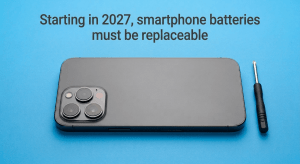
- Right to Repair: Requires manufacturers to provide affordable replacement parts and repair services even after the warranty has expired.
- German Circular Economy Act (KrWG): Legally enshrines the waste hierarchy. The duty of care prohibits retailers from destroying returned goods that are still fit for use.
Conclusion for Companies
Environmental compliance is shifting from a cost factor to a key competitive advantage. Companies that consistently align their processes with the higher levels of the hierarchy – for example, through modular product design or circular logistics -minimize legal risks and secure valuable resources for the long term.
Questions about EPR compliance? Send us your inquiry!
 www.ecopv-eu.com/en/contact/ |
  E-Mail: info@ecopv-eu.com
 Supported over 20,000 customers with EPR compliance
Rated 5.0 on Google
Contact
We look forward to your message!