Plans for a national plastic tax in Germany are taking shape. The CDU/CSU and SPD coalition factions have drafted a new excise tax law.
The goal: to reduce plastic consumption and relieve the federal budget by nearly 1.5 billion euros annually starting in 2028.
Although details may still change during the legislative process, the basic framework of the draft is in place:
- Tax rate: 550 euros per metric ton of pure plastic content in packaging.
- Broad scope: In addition to pure plastic packaging and films, composite packaging containing at least 5% plastic is also subject to the tax (e.g., coated cardboard). The tax is based on the weight of pure plastic.
- Taxpayers: The tax is levied very early in the supply chain—directly at the point of domestic production, upon entry from the EU, or upon import from third countries. Private individuals remain exempt from the tax.
- Recycled Plastic Catch: Although the tax may be waived for recycled plastic, according to the draft, this refund will only apply after a separate statutory regulation is issued. A start date for this has not yet been set—so companies cannot count on a tax relief when the law takes effect in July 2027.
Mixed Reactions from Politics and Business
- The German Environmental Aid Association (DUH) and BUND welcome the tax but are calling for a strict exemption for reusable systems as well as an expansion to include aluminum and paper in order to prevent environmental displacement effects.
- A broad business alliance (including chemical, food, and trade associations) sharply criticizes the planned fast-track procedure via a “drafting aid” in the Budget Accompanying Act. They warn of massive bureaucracy, duplicate documentation systems running parallel to the EU Packaging Directive (PPWR), and competitive disadvantages for Germany as a business location.
What does this mean for your compliance?
The tax does not replace existing obligations; it is an additional national requirement on top of them. Packaging regulations are advancing in parallel:
- As of August 12, 2026, the authorized representative requirement for foreign packaging manufacturers under the PPWR has already been in effect.
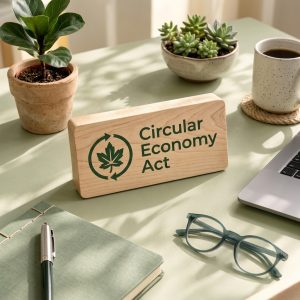
- The European Circular Economy Act (CEA) has been announced for late 2026. This EU circular economy law is intended to strengthen the market for secondary raw materials and, more broadly, to harmonize all requirements related to the circular economy and the digitization of product data (such as the digital product passport) across the EU.
Contact us for comprehensive compliance consulting on electrical equipment, batteries, packaging, and PV panels – and subscribe to our newsletter to stay up to date on laws and trends.
 www.ecopv-eu.com/en/contact/ |
  E-Mail: info@ecopv-eu.com
 Supported over 20,000 customers with EPR compliance
Rated 5.0 on Google
Contact
We look forward to your message!