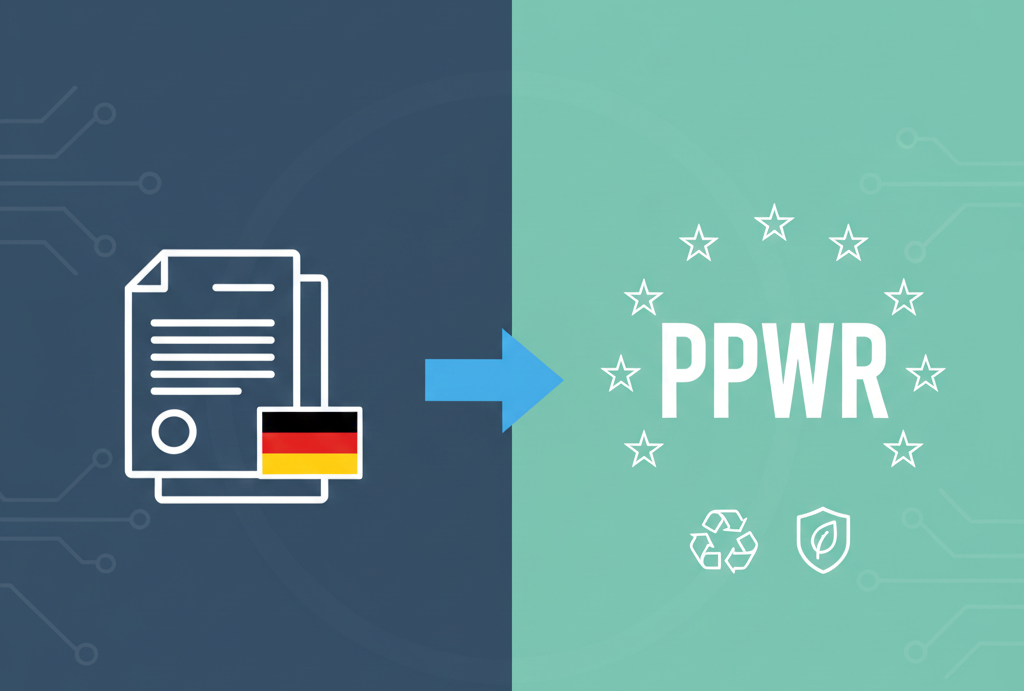
The EU Packaging Regulation (PPWR) officially came into force on February 12, 2025. While 2026 marks the administrative starting point, 2030 is the key milestone for the most profound operational changes. From this point onwards, “sustainability” will shift from being a voluntary option to a strict market entry requirement.
ECOPV-EU GmbH has summarized the key developments and the latest legal additions for you.
1. Massive waste prevention in stages
The EU has set binding reduction targets for per capita packaging waste:
-5% by 2030
-10% by 2035
-15% by 2040 (compared to 2018).
2. Design for recycling: The new standard from 2030
From 2030 onwards, only packaging that can demonstrate a high degree of recyclability will be allowed to be placed on the market.
- Performance classes A to C: Each type of packaging is assessed. If it achieves less than 70% recyclability (level D or worse), it will no longer be marketable from 2030 onwards.
- New: “Recycled at Scale” (2035): It is no longer sufficient for packaging to be theoretically recyclable. From 2035, it must be proven that it is actually collected and recycled across the EU.
3. Mandatory recycled content requirements from 2030 onwards
From 2030, plastic packaging must contain a minimum proportion of post-consumer recycled material (PCR):
- PET food packaging: starting at 30% (50% by 2040).
- Single-use beverage bottles: starting at 30% (65% by 2040).
- Other plastic packaging: starting at 35% (65% by 2040).
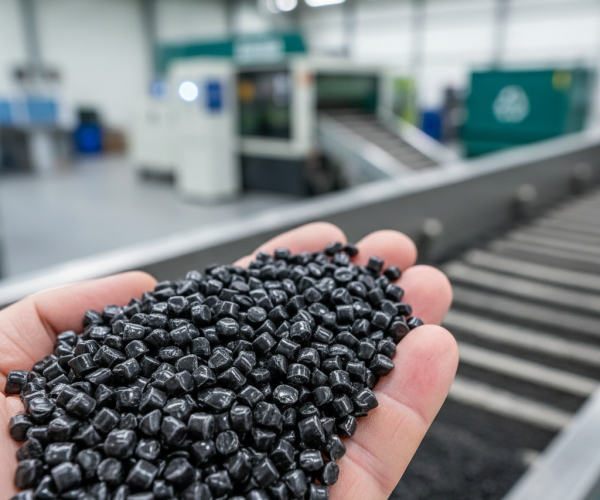
Recycled granulate
4. Reuse & Stop Empty Space
The PPWR combats “air packaging” and unnecessary disposable waste:
- Empty space quota: From 2030, transport and e-commerce packaging may contain a maximum of 50% empty space.
- Reusable transport packaging: By 2030, 40% of transport packaging within the EU must be reusable. A 100% requirement often applies earlier between company locations.
- Catering ban: Single-use portion packs and mini hygiene items in hotels will be banned from 2030.
5. Immediate measures: PFAS ban
PFAS ban: The ban on “forever chemicals” in food packaging will take effect just 18 months after it comes into force (around the end of 2026). Manufacturers must check their coatings immediately.
6. Transparency through the “digital passport”
- Harmonization: From 2028, uniform pictograms for waste separation will be introduced across the EU.
QR codes: From 2030, data such as the recycled content and reusability must be digitally accessible.
7. Europe-wide deposit return systems (DRS) from 2029
A key lever for recycling rates is the introduction of deposit return systems:
- Mandatory from 2029: By January 1, 2029, all member states must introduce deposit return systems for single-use plastic bottles and single-use metal containers (up to 3 liters).
- Target rate of 90%: The systems must ensure that at least 90% of this packaging is collected separately.
- Exceptions: Countries that can already demonstrate a collection rate of over 80% in 2026 and submit a plan for the 90% target may be exempted. For German companies, this means above all that exports to neighboring EU countries will become significantly more complex to process due to harmonized deposit systems.
Who is exempt?
Micro-enterprises (fewer than 10 employees and less than €2 million in turnover) are exempt from most quotas but must still register.
Conclusion: Preparations for 2030 begin now
The conversion of production lines and the redesign of the portfolio will take years. Those who do not set the course early on risk delivery stoppages and sanctions.
How ECOPV-EU GmbH supports you:
Audit & analysis: Do your materials meet the upcoming standards?
EPR full service: We take care of registration and reporting for you.
Reporting: We take care of all quantity reporting for you.
Contact us for comprehensive advice on your compliance issues relating to electrical and electronic equipment, packaging, batteries, and PV panels.
 www.ecopv-eu.com/en/contact/ |
  E-Mail: info@ecopv-eu.com
 Supported over 20,000 customers with EPR compliance
Rated 5.0 on Google
Contact
We look forward to your message!