
EUNR publishes first guideline on the definition of a manufacturer under the PPWR
The European Union of Packaging Registers (EUNR) has published its first guideline on the interpretation of the PPWR. The focus
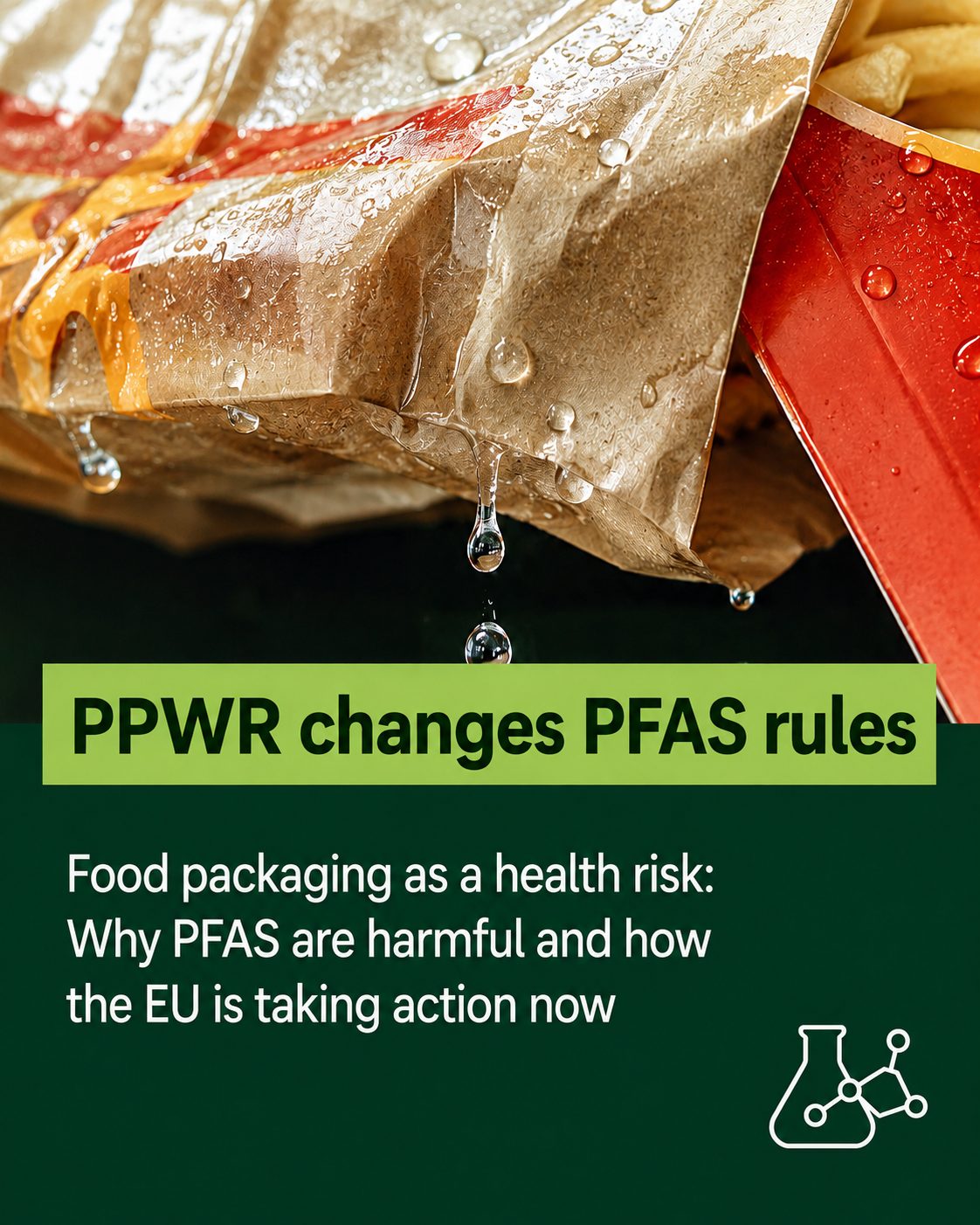
PFAS in Food Packaging: Health Risks & Impact from PPWR
Grease- and water-repellent food packaging – such as fast-food wrappers, french fry bags, or pizza boxes – often contains PFAS.

EPR Poland: Key Requirements for Batteries, WEEE, and Packaging
The Polish Ministry of the Environment and the relevant authorities are strictly enforcing extended producer responsibility (EPR). Anyone who places
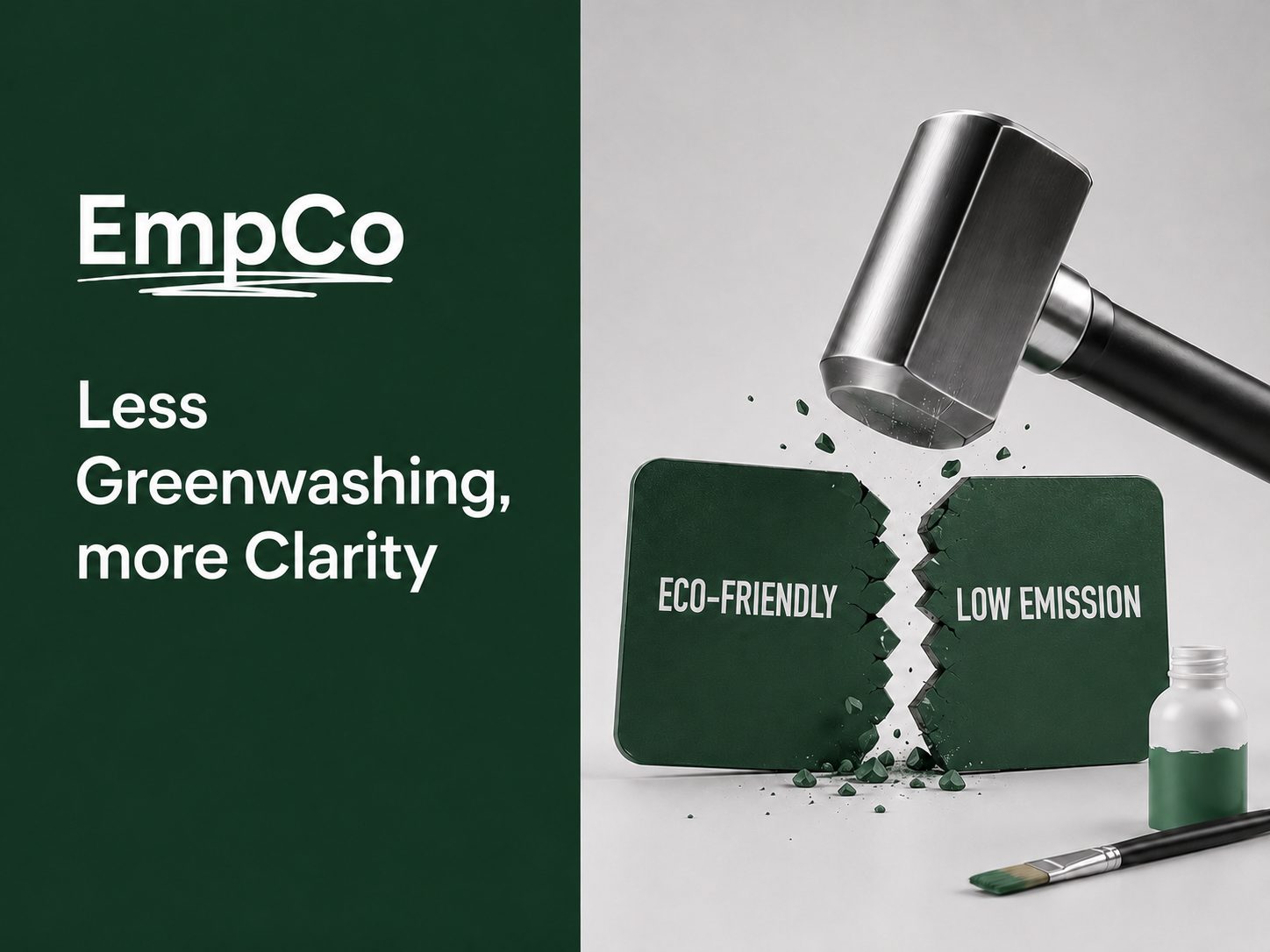
The EmpCo deadline is approaching: No more misleading green claims
In less than three months, the world of sustainability communication will change.On September 27, 2026, the new EmpCo requirements will

EU Ecodesign (ESPR): The Roadmap for the Circular Economy Is in Place
With the Ecodesign Regulation (ESPR – Ecodesign for Sustainable Products Regulation), the European Union is fundamentally reshaping the framework for

Modular Smartphones: A Concept for the Future?
Today’s electronics industry is characterized by short innovation cycles and a problematic throwaway culture. A promising approach to reducing electronic

PPWR Practical Check: Three Misconceptions About the New EU Packaging Regulation
The new EU Packaging Regulation (PPWR) represents one of the most comprehensive regulatory changes for the European economy. The goal
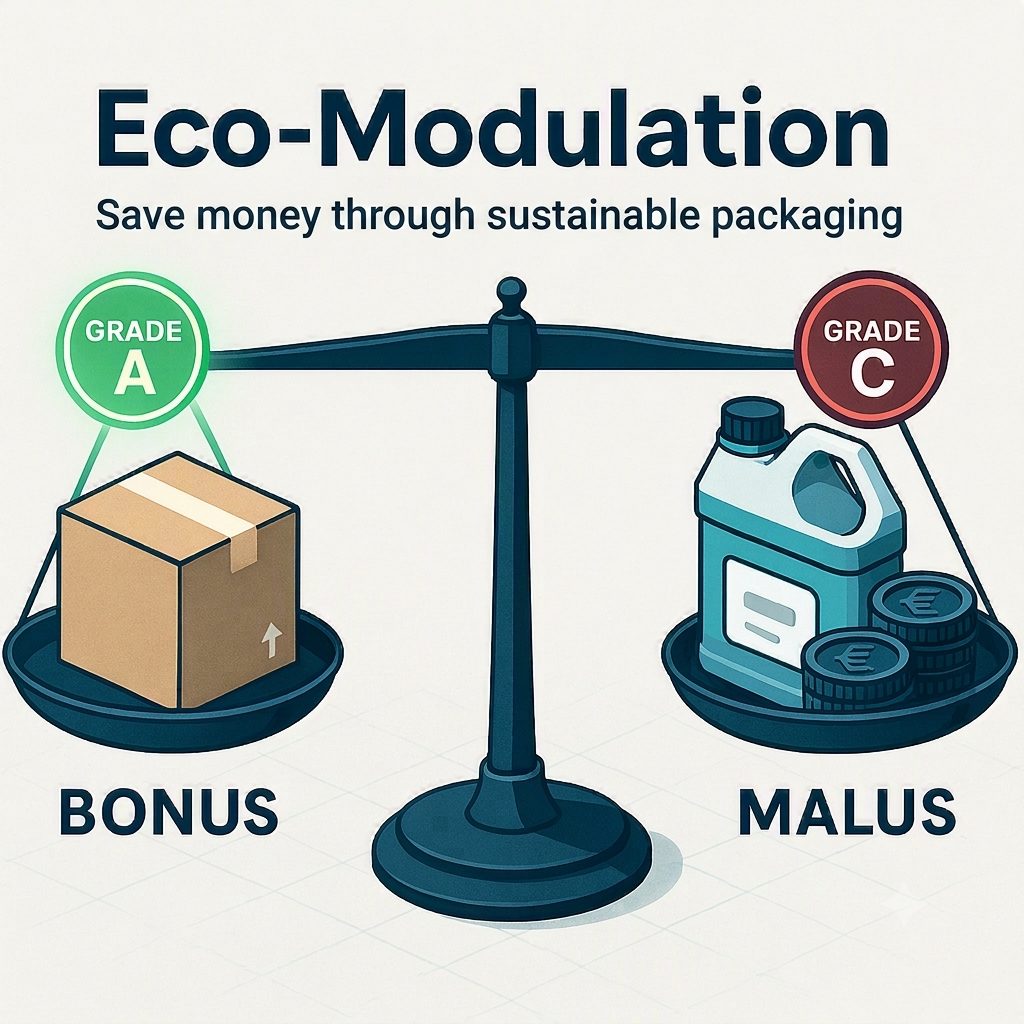
What Companies Need to Know About Eco-Modulation
Eco-modulation is a financial incentive and penalty system for packaging under the Extended Producer Responsibility (EPR) framework. Those who use
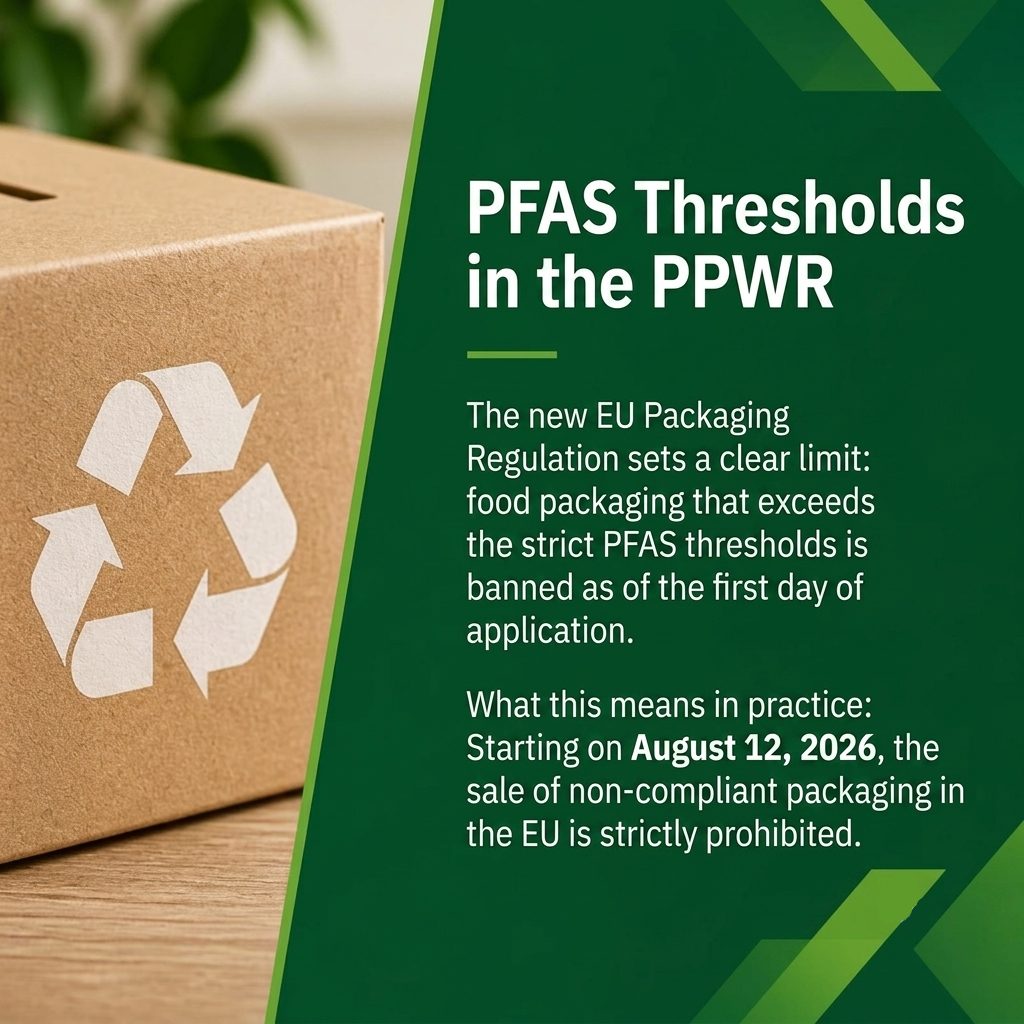
PPWR PFAS: New Limits & Bans Effective August 2026
Effective August 12, 2026, the new EU Packaging Regulation (PPWR) prohibits the placing on the market of food contact packaging
EPR Spain: Requirements for Packaging, WEEE, and Batteries
The Spanish Ministry of Ecological Transition (MITECO) is cracking down on Extended Producer Responsibility (EPR). Anyone who places packaging, batteries,
The ear Foundation: What is it all about and who needs to register?
Anyone who places electrical appliances or batteries on the market in Germany for the first time for commercial purposes is
EPR Registration 2026: How Does It Work?
Selling online through your own online stores or platforms such as Amazon and eBay makes Extended Producer Responsibility (EPR) a
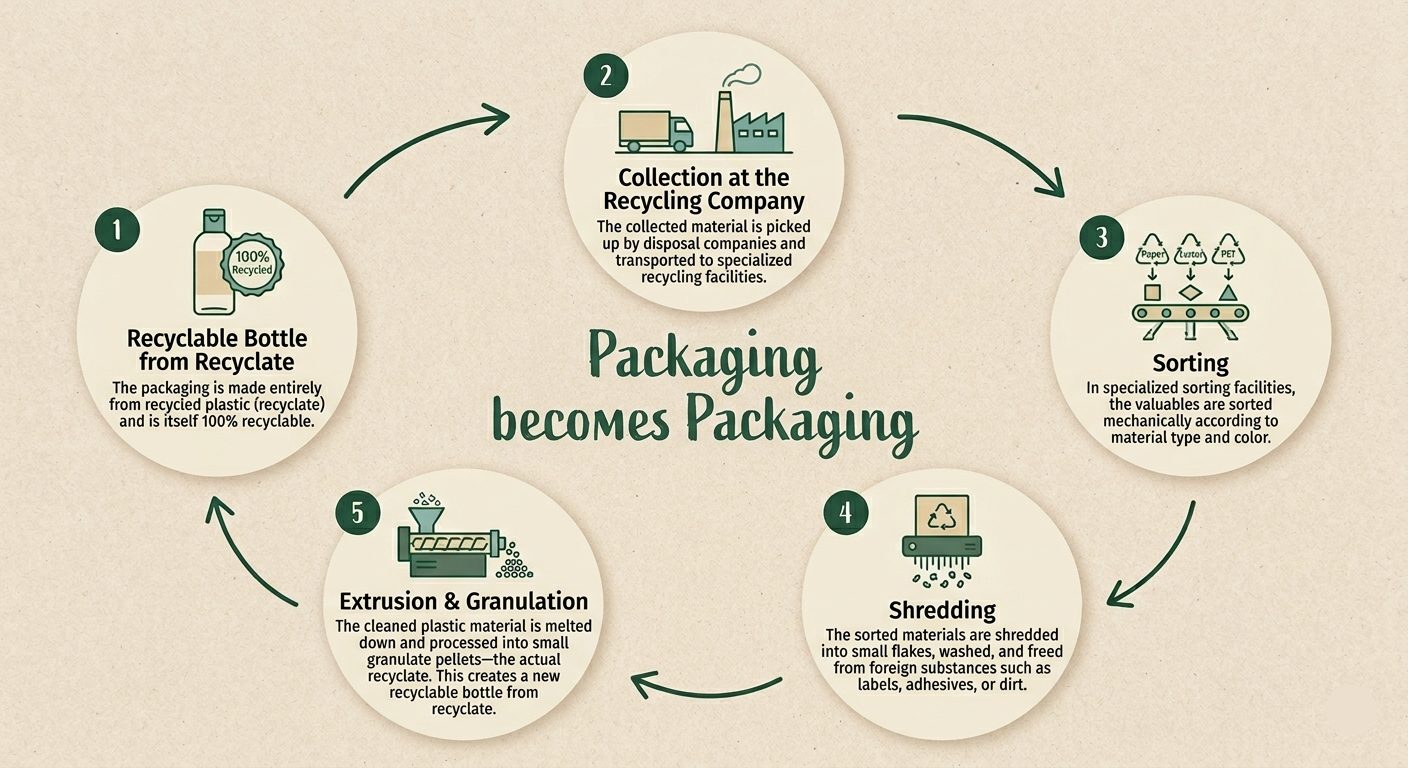
Recyclates Explained: From Plastic Waste to Valuable Raw Material
Recycled materials are more than just “recycled plastic.”They are a key raw material for the circular economy and help us

Which category does my device fall into?
Anyone who places electrical or electronic equipment on the market in Germany is required by the ElektroG to register with

EPR Representative Authorization: Rules for Packaging, Equipment, and Batteries
Anyone selling products in Europe will quickly come across the term EPR (Extended Producer Responsibility). However, one key point is
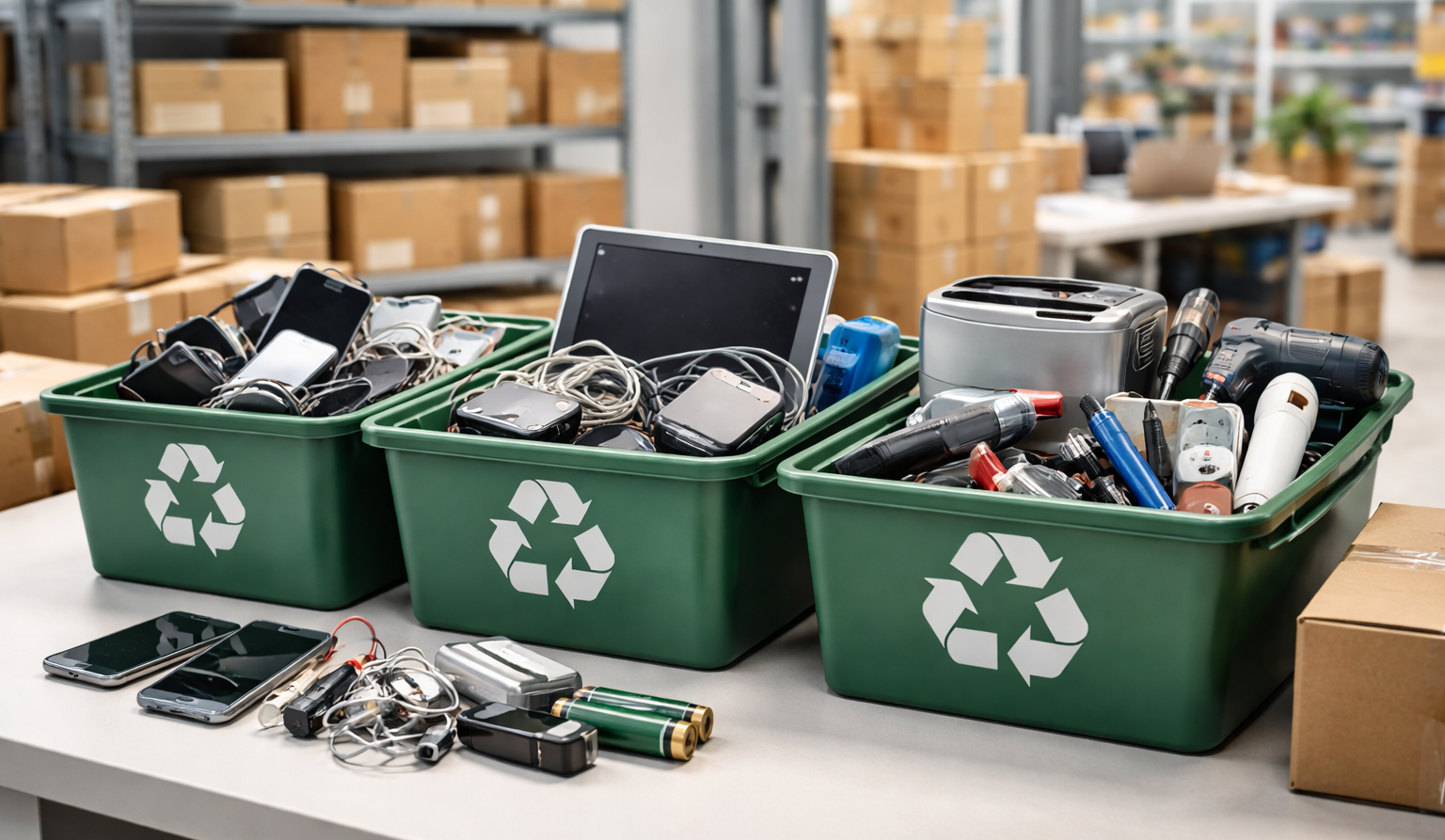
Take-back obligations for waste electrical and electronic equipment under the ElektroG4
The Electrical and Electronic Equipment Act (ElektroG) regulates the environmentally sound disposal of electrical and electronic equipment. Since the ElektroG4
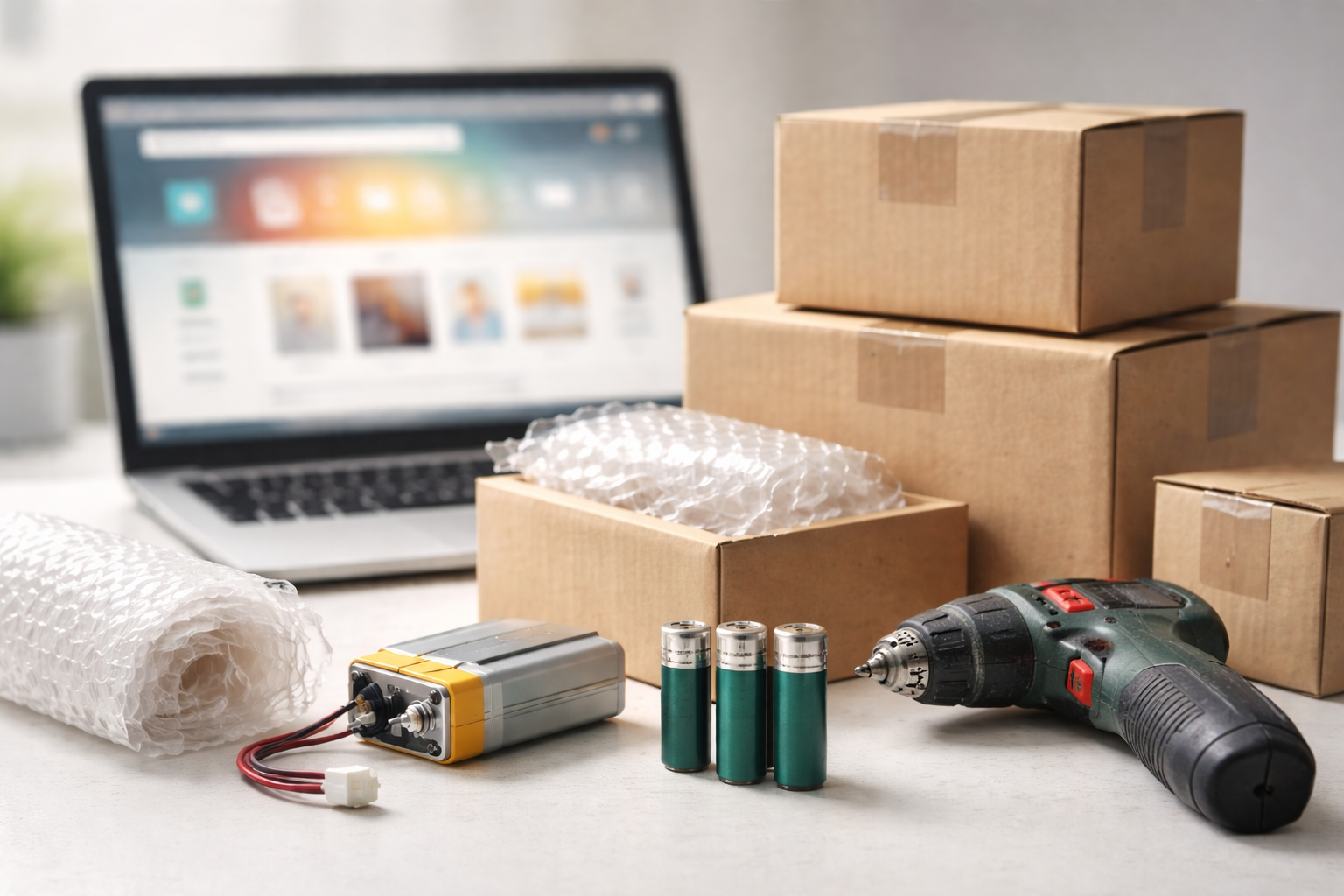
EPR 2026: The Compliance Check for E-Commerce / Online Retail
Extended Producer Responsibility (EPR) holds companies accountable: Anyone who places products on the market is responsible for their entire lifecycle
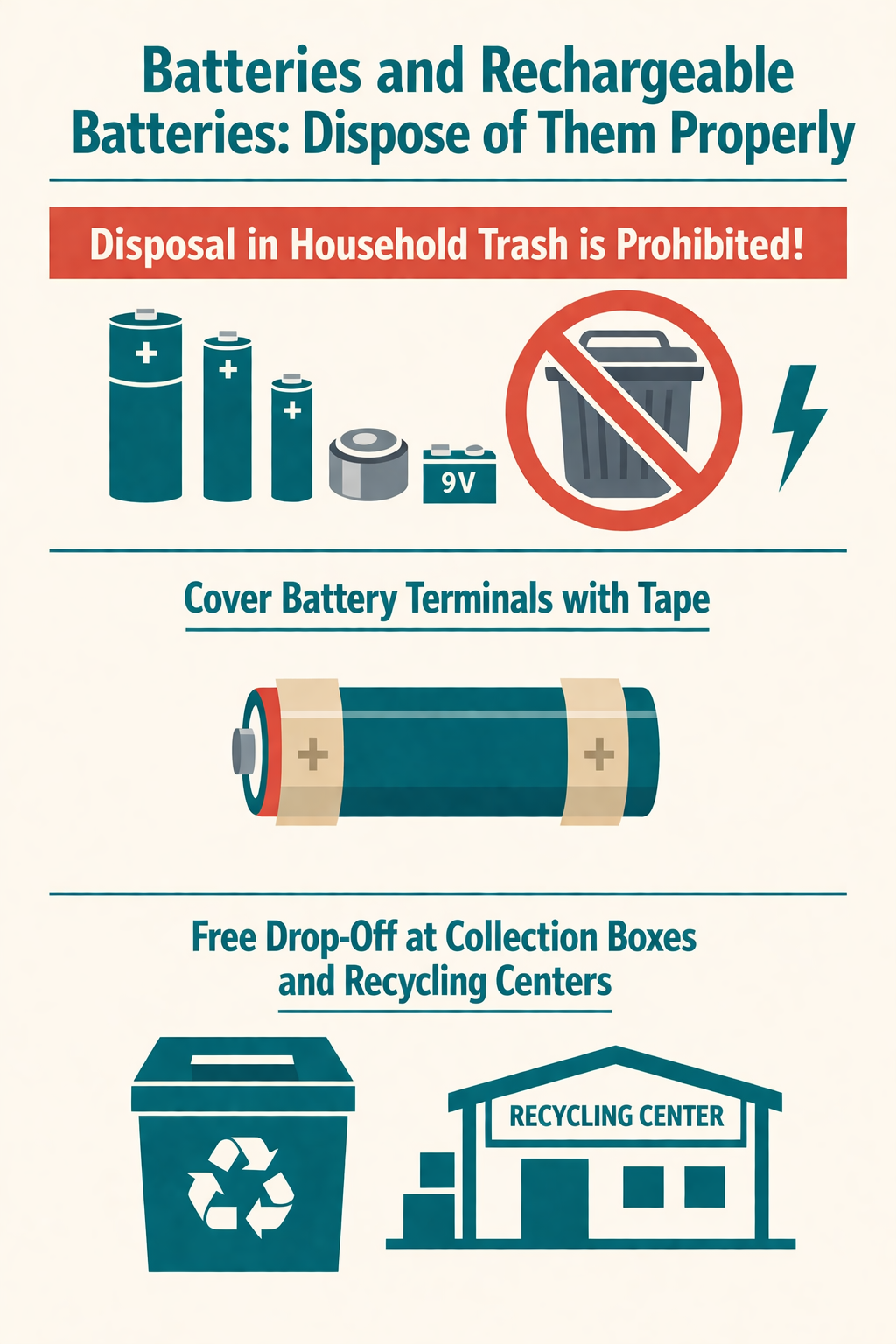
🔋 Dispose of batteries properly!
Whether they’re empty button cells, rechargeable batteries from digital cameras, or batteries from remote controls: once they’re used up, the
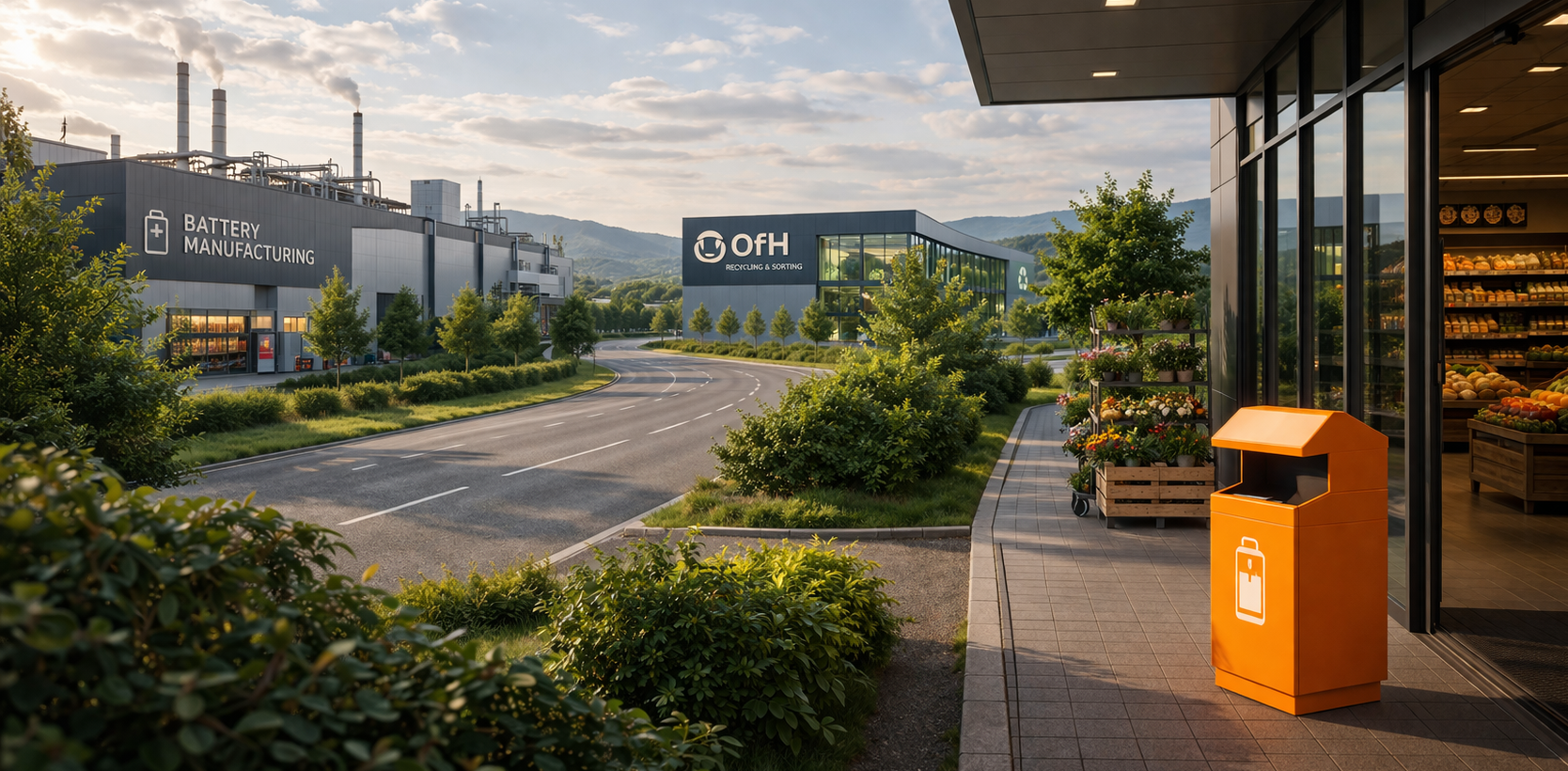
OfH Check 2026: Roles and Responsibilities of Manufacturers, Retailers, and OfH!
The new Battery Act Implementation Act (BattDG) has been in effect in Germany since October 7, 2025. It transposes the

EUNR is launching! A new network of European packaging registers
Brand new and officially launched: 16 EU member states have joined forces in the European National Registers Network (EUNR) to
🔆 PV Modules Under the ElektroG4 – Key Questions and Answers for Manufacturers and Dealers
With the ElektroG4, which took effect on January 1, 2026, new and stricter obligations apply to manufacturers and retailers. Here
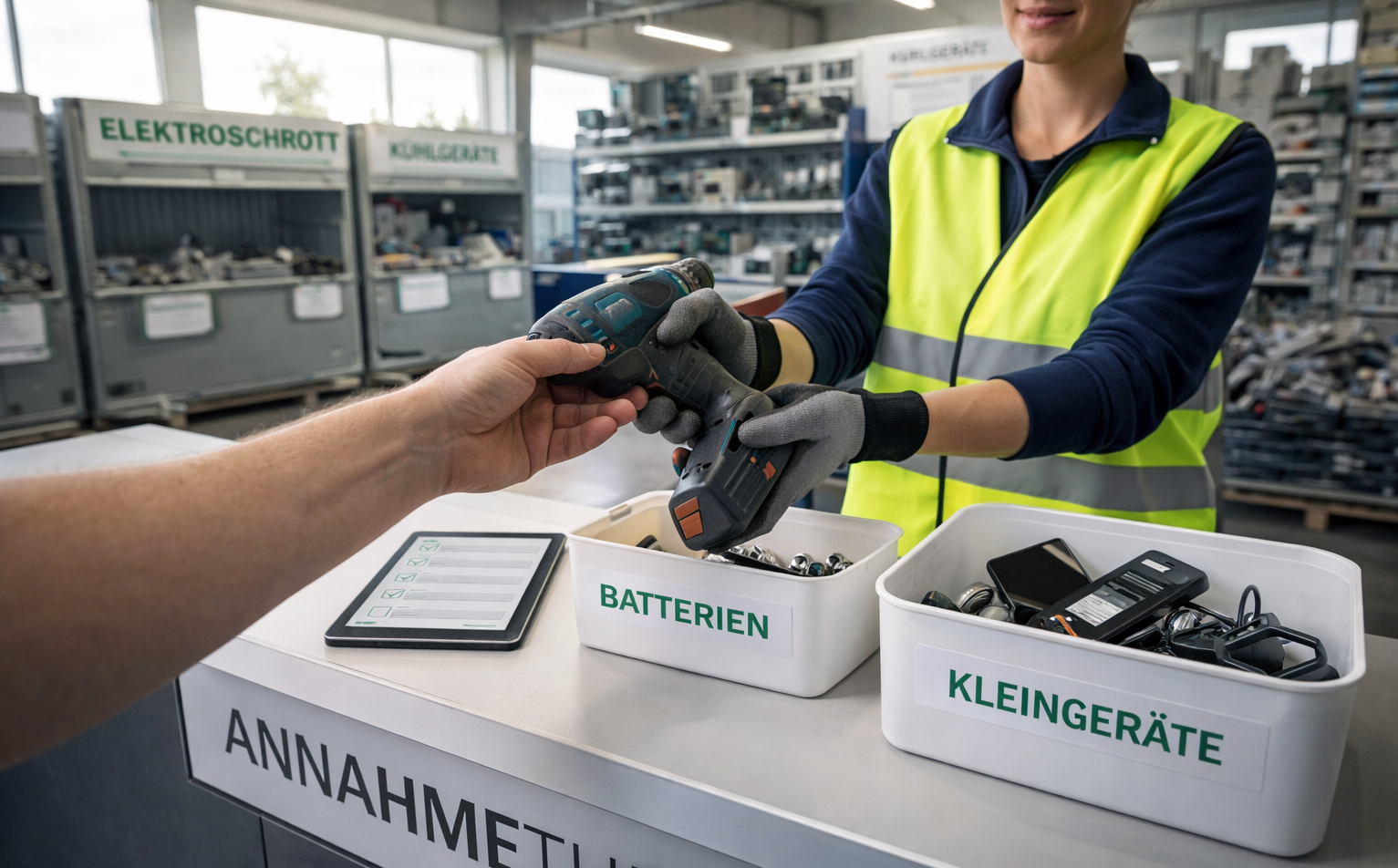
🔋New as of January 1: Why the counter model makes waste disposal safer now
As of January 1, 2026, a significant change has taken effect at all municipal recycling centers and collection points in
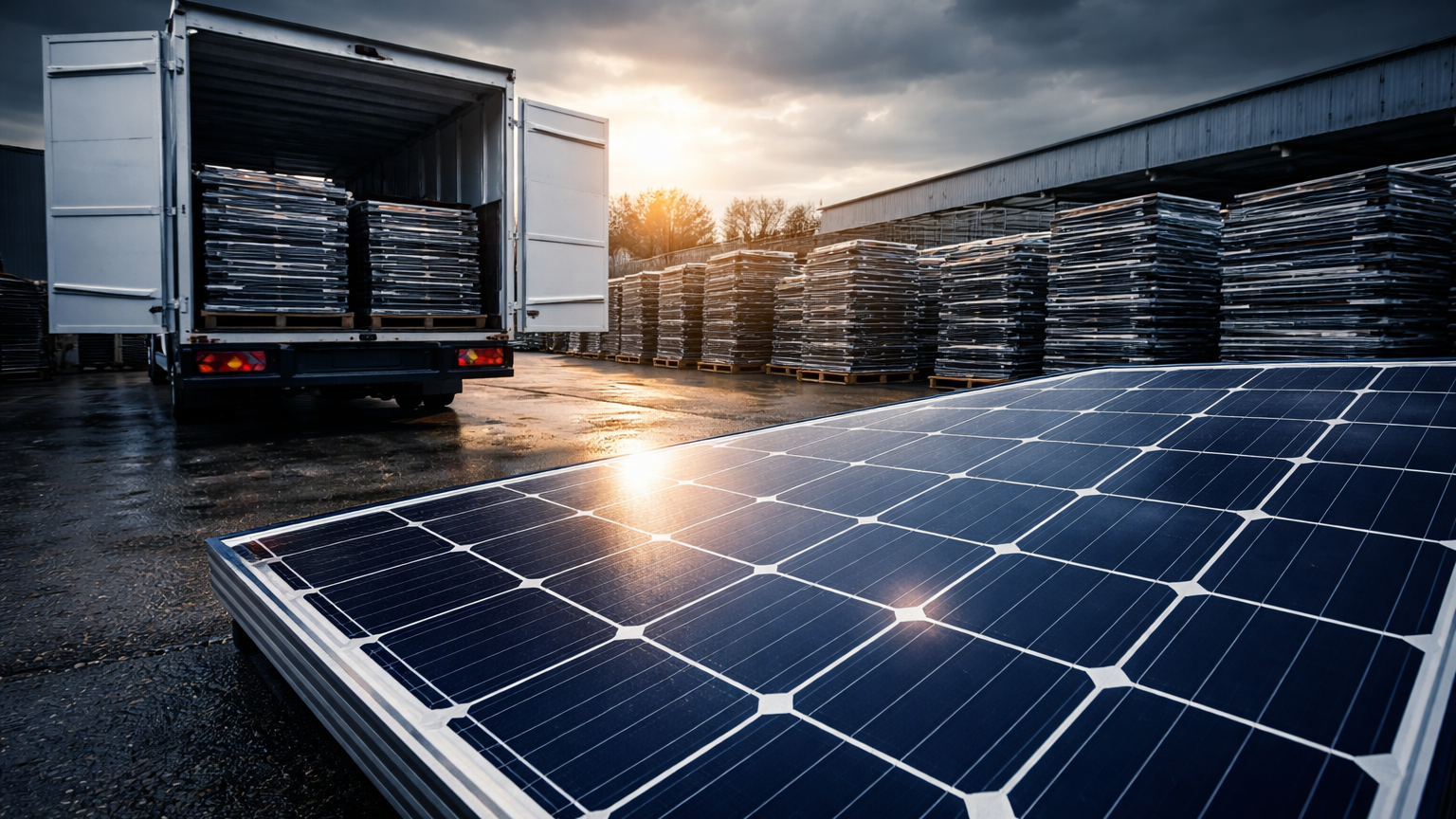
Solar Panels: What Manufacturers Need to Know About the 72-Hour Window
Since October 2015, PV modules have been subject to the WEEE Directive. The biggest challenge here is the tight timeframe
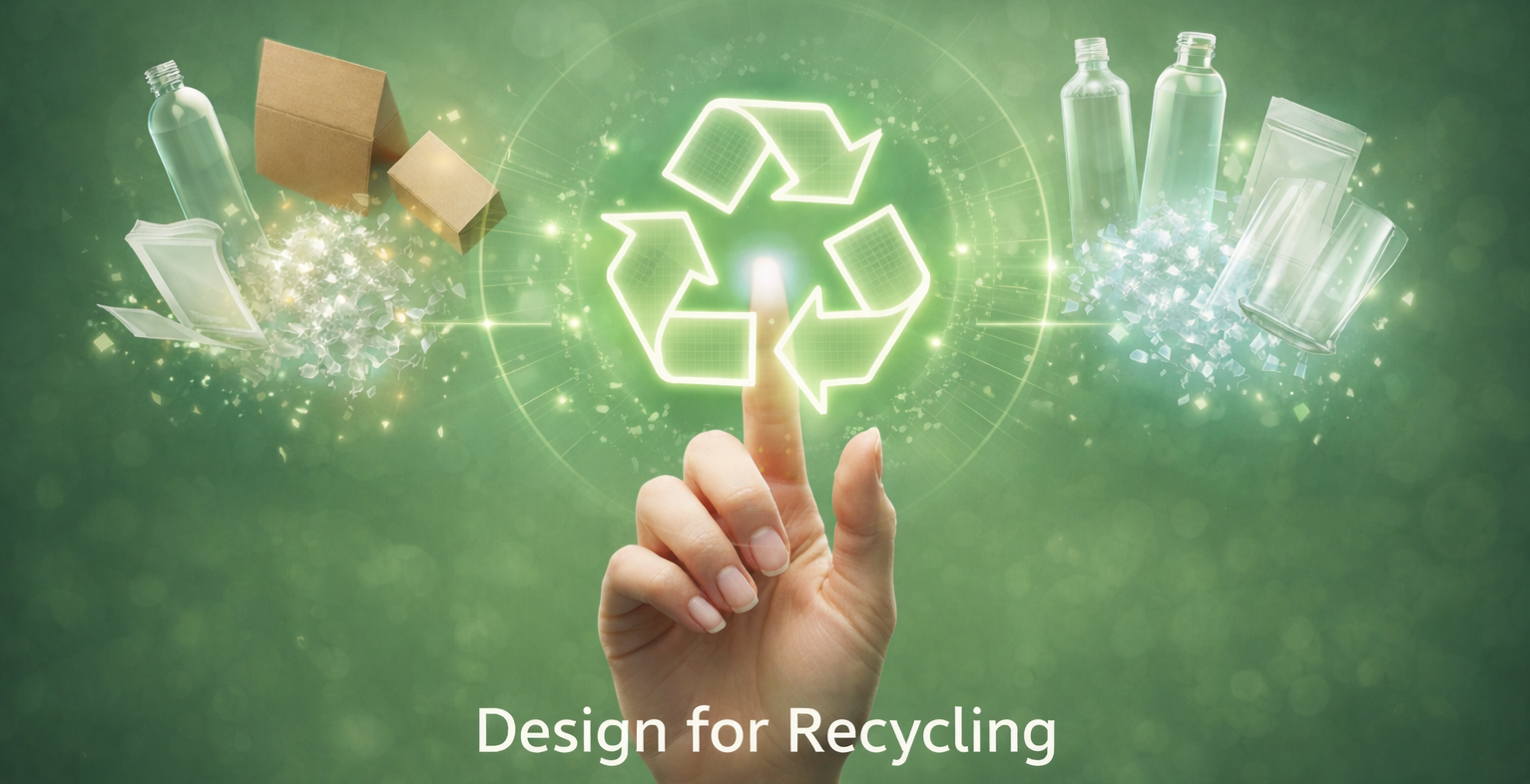
Design for Recycling: A package’s fate is determined at the moment of its creation ♻️
Multi-layer composite films that cannot be separated. Labels that contaminate plastic. Black packaging that sorting systems cannot detect. All of