info@ecopv-eu.com

+49 6196 5835357

info@ecopv-eu.com

+49 6196 5835357

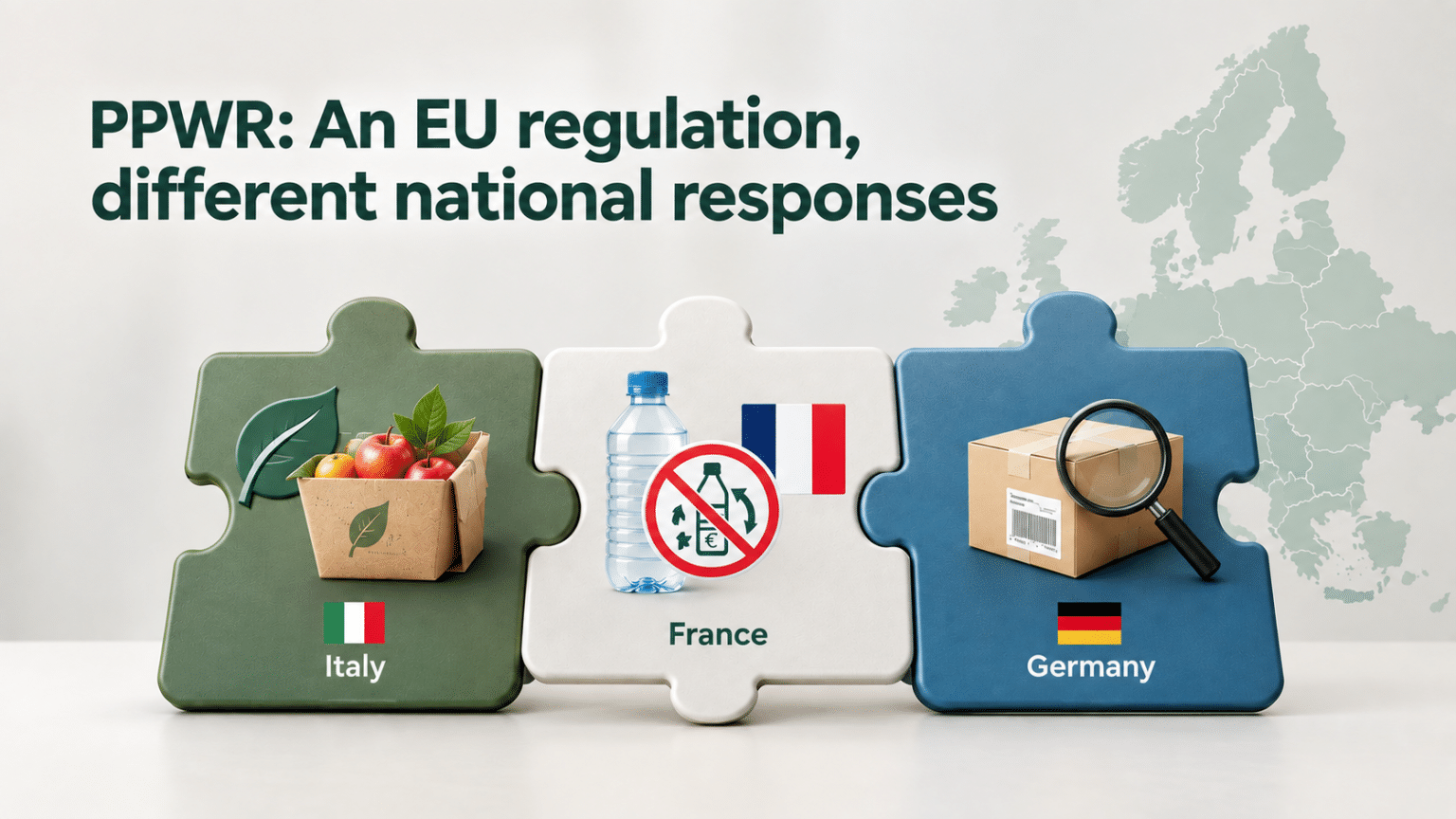
PPWR: An EU Regulation, Different National Responses

The new EU Packaging Regulation (PPWR) took effect on August 12, 2026. While the far-reaching bans on certain single-use plastic packaging will not take effect until 2030, it is already apparent that EU member states are handling implementation in very different ways:

Italy (focus on compostability):

Through Decree-Law No. 143, the country is utilizing an exemption clause in the PPWR (Art. 9, para. 2, subparagraph b).

Instead of the single-use plastics that will be banned starting in 2030, Italy permits biodegradable alternatives certified according to EN 13432. This applies, among other things, to fruit and vegetable packaging weighing less than 1.5 kg, as well as hotel cosmetic packaging and single-serving packaging in the hospitality industry. Starting in 2030, violations will be subject to fines of up to €25,000.

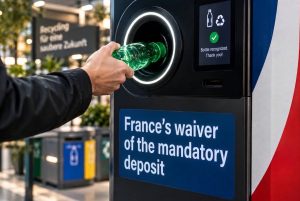
France (Abandonment of Mandatory Deposits):

To protect municipal waste sorting programs, the French Ministry of the Environment rejected a national mandatory deposit system for plastic bottles in September 2026. Instead, the country is relying on voluntary, regional collection systems run by municipalities. Experts doubt whether France will be able to meet the 90% collection rate required by the EU by 2029.

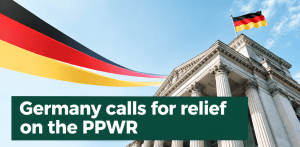
Germany (Call for Reduced Bureaucracy):

In September 2026, the German federal government submitted a proposed amendment in Brussels to ease the burden on small online retailers.

Those who place fewer than 10 metric tons of packaging material on the market per year are to be exempted from the requirement to appoint an authorized representative in every individual EU destination country. In addition, the registration requirement is to be suspended until a central EU registry (no earlier than mid-2028) is operational.

The PPWR was intended to ensure uniform standards across the EU, but in practice it is characterized by exemption clauses, national exceptions, and political renegotiations. For companies operating across borders, this means in concrete terms: They cannot rely on “a single” uniform regulation but must closely monitor the respective implementation and specific rules in each country.

We take this very complexity off our clients’ hands – as your authorized representative, we keep track of national developments on your behalf.

Contact us for comprehensive compliance consulting on electrical equipment, batteries, packaging, and PV panels – and subscribe to our newsletter to stay up to date on laws and trends.


📩www.ecopv-eu.com/en/contact/ | 📧 E-Mail: info@ecopv-eu.com 


⭐ Supported over 20,000 customers with EPR compliance

⭐ Rated 5.0 on Google

Contact

We look forward to your message!

info@ecopv-eu.com

+49 6196 5835357

Frankfurter Str. 70-72
65760 Eschborn

Leave a Reply

Your email address will not be published. Required fields are marked *