Conserving resources starts right at home. The misconception that modern sorting facilities can separate everything perfectly anyway persists. But what really happens?
What types of waste are recycled?
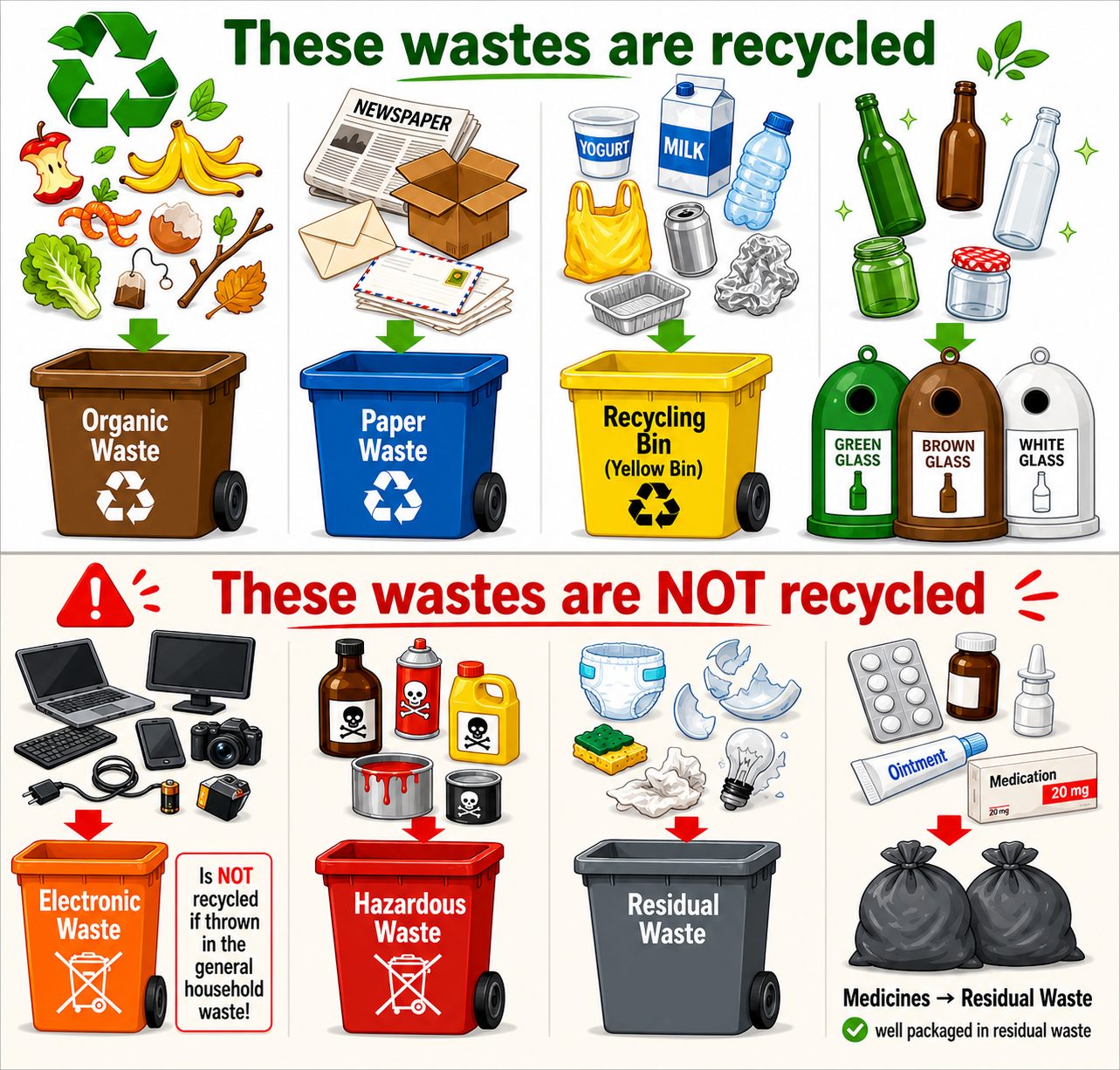
Material recycling stands or falls on proper separation right at home. Only clean recyclables flow back into the production cycle:
- Organic waste: Organic waste is turned into compost or used in biogas plants to generate electricity.
- Paper waste: Newspapers, clean cardboard boxes, and letters form the basis for recycled paper.
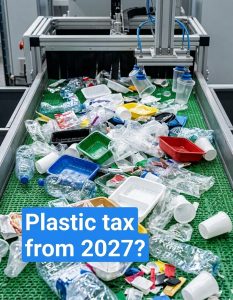
- Yellow bag / yellow bin: Lightweight plastic packaging (e.g., yogurt cups), composite materials (e.g., milk cartons), and metals (e.g., tin cans and aluminum foil).
- Glass: Bottles and glass jars, separated into clear, brown, and green glass (special colors are classified as green glass).
Waste with special classification: Separate disposal is mandatory
Some types of waste tie up valuable resources or pose a threat to the environment:
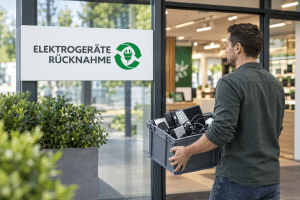
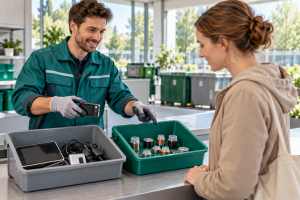
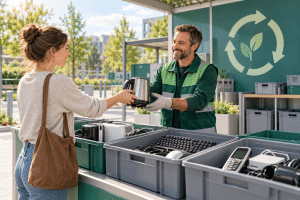
- Electronic waste: Contains rare earth metals as well as heavy metals. Should be taken to a recycling center or returned to the retailer.
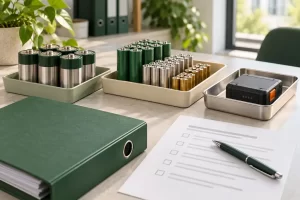
- Hazardous waste (chemicals, batteries): Batteries and rechargeable batteries must never be disposed of in household trash, as they can cause fires. Take them to the recycling center.
- Medications: Never flush down the toilet. In most regions, old medications should be well-sealed and placed in the general waste.
- General waste: For non-recyclable items (e.g., diapers, porcelain). This waste is incinerated.
What happens after collection?
Even the most advanced technology has its limits. If food scraps are thrown into the paper recycling bin, paper fibers absorb the grease and become unusable. While recycling facilities can sort out foreign materials, they cannot clean contaminated recyclables.
Another problem is composite components: If the aluminum lid remains firmly attached to the yogurt cup, infrared sensors cannot separate the materials. The cup becomes unusable and is incinerated. Without consumer pre-sorting, material quality drops drastically. This leads to “downcycling” or incineration.
Waste Disposal: Recycling or Incineration?
Since 2005, untreated waste has been banned from landfills in Germany. This leaves two main options:
- Recycling (Material): Glass, metal, and paper achieve recycling rates of over 80% and are turned into new products.
- Incineration (thermal): Residual waste and contaminated materials generate electricity and district heating.
Hazardous waste: Electrical appliances and hazardous substances are decontaminated separately; precious metals are recovered.
Conclusion
Our behavior at the trash bin determines the outcome: resource or environmental burden? Proper waste separation keeps materials in the cycle, protects the climate, and secures the raw materials of tomorrow.
Contact us for comprehensive advice on your compliance issues regarding electrical and electronic equipment, packaging, batteries, and PV panels.
 www.ecopv-eu.com/en/contact/ |
  E-Mail: info@ecopv-eu.com
 Supported over 20,000 customers with EPR compliance
Rated 5.0 on Google
Contact
We look forward to your message!