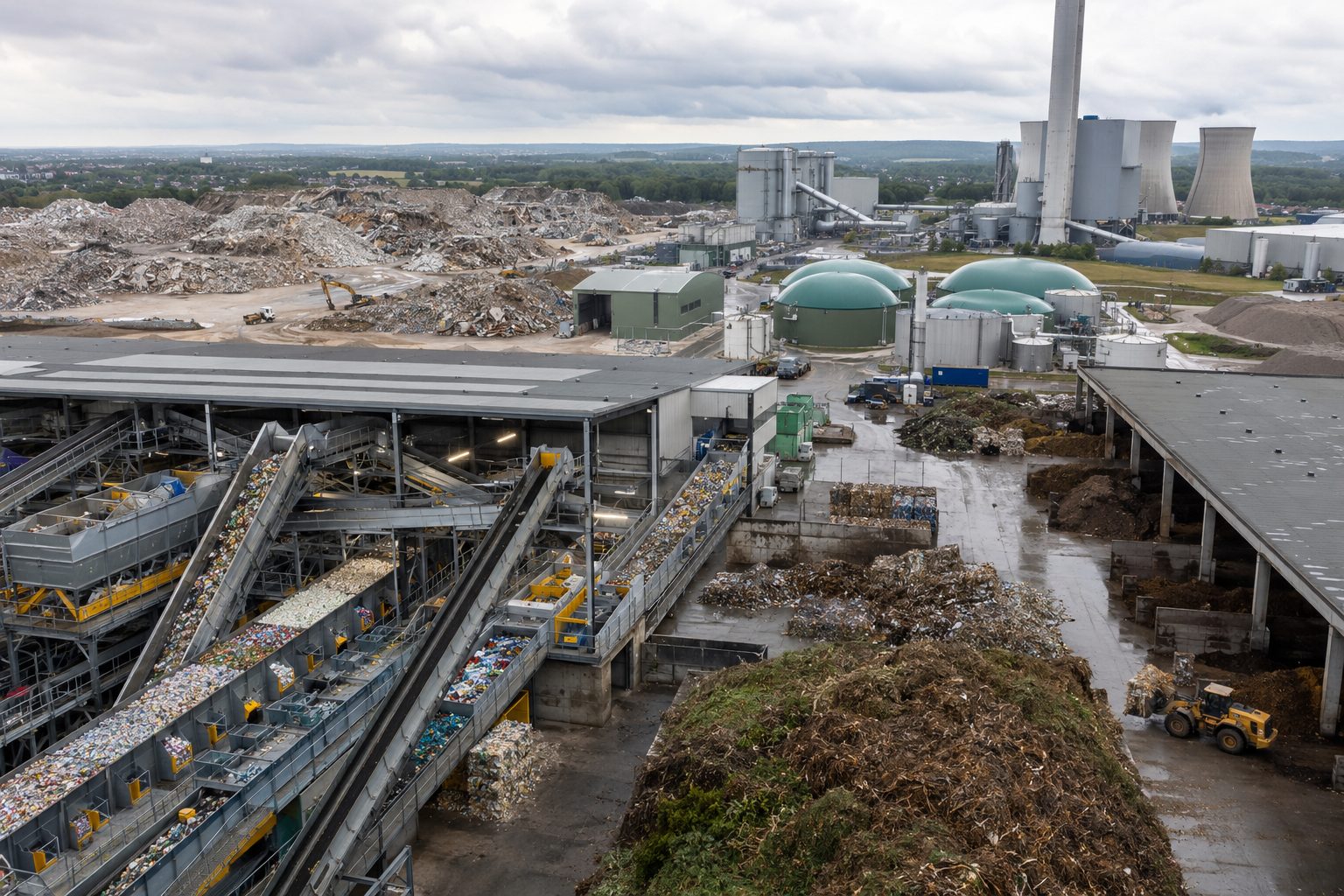
Germany produces nearly 380 million tons of waste annually. More than half of this consists of construction and demolition waste. While Germany’s per capita municipal waste generation is well above the EU average, it ranks among the top in the EU for recycling, with a rate of around 70%.
Challenges in Recycling Quality
Despite high rates, the system is under pressure: The EU is calling for stricter, output-based calculation methods. Under this approach, only the actual amount of recycled material recovered counts, rather than the sheer volume of input at sorting facilities.
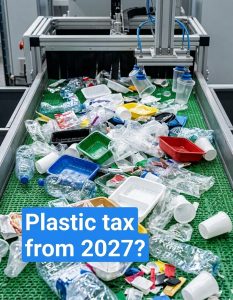
About one-eighth of total waste is incinerated – primarily mixed household waste, which is prohibited from being landfilled. Nearly half of plastics are also used for energy recovery. Poor packaging design, contamination, or composite materials often prevent mechanical recycling.
Analysis of Key Waste Streams
- Paper, cardboard, and paperboard: With a recycling rate of around 85%, established recycling loops are in place here. However, clean, separate collection remains essential for the quality of the recycled material.
- Biowaste: This provides valuable compost and biogas. There is potential for optimization regarding residual waste, nearly one-third of which still consists of organic matter – resulting in the loss of valuable nutrients.
- Plastics: Just under half is incinerated. The reasons lie in a lack of design for recycling and the often lower cost of primary raw materials (virgin materials).
- Residual waste: Since direct landfilling is prohibited, residual waste is almost entirely incinerated. While this generates electricity and district heating, it permanently removes the materials from the material cycle.
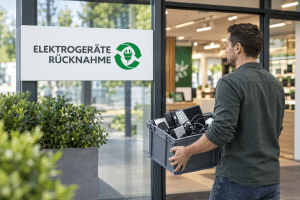
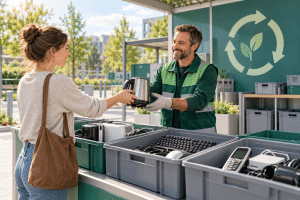
- Recycling centers: They serve as hubs for metals, scrap wood, and electronic devices and offer great potential for urban mining.
The future is now being decided at the source: waste prevention and eco-design.
Key drivers of this change are:
- EU Packaging Regulation (PPWR): Its core obligations take effect on August 12, 2026.
- Extended Producer Responsibility (EPR): Stricter requirements place greater responsibility on producers.
- Recycled content targets: Starting in 2030, the use of recycled materials in new products will be partially mandated.
In the long term, thermal recovery (incineration) should serve only as a “pollutant sink” for hygienically critical or heavily contaminated waste.
Conclusion
Germany has an efficient waste management system. The next crucial step is the transformation from an efficient waste disposal industry to a genuine circular economy that consistently closes material loops.
Contact us for comprehensive advice on your compliance issues relating to electrical and electronic equipment, packaging, batteries, and PV panels.
 www.ecopv-eu.com/en/contact/ |
  E-Mail: info@ecopv-eu.com
 Supported over 20,000 customers with EPR compliance
Rated 5.0 on Google
Kontakt
Wir freuen uns auf Ihre Nachricht!