
The PPWR will change the use of ketchup sachets, mini coffee creamer pots and other portion packs in hospitality. From 1 January 2030, certain single-use plastic portion packs may no longer be placed on the market in the HORECA sector. On-site dining will require changes, but the packaging material, intended use and specific exceptions all matter.
PPWR: Which portion packs are covered?
Article 25(1) and Annex V, point 4, of Regulation (EU) 2025/40 provide the legal basis. The restriction covers single-use plastic packaging containing individual portions or servings in the hotel, restaurant and catering sector for:
- condiments and seasoning;
- preserves, including jam;
- sauces such as ketchup, mayonnaise and mustard;
- coffee creamer and sugar.
This is not a general ban on every portion pack made from any material, nor does it ban the food itself. Businesses need to assess the actual packaging format and its intended application. Both indoor and outdoor hospitality areas can be relevant when food is consumed on site.
The PPWR exceptions have specific conditions
Annex V, point 4, provides two exceptions. First, the packaging may be supplied together with ready-prepared take-away food intended for immediate consumption without further preparation. A condiment sachet accompanying such a meal may qualify. Merely describing a product as “to go” does not replace checking these conditions.
Second, portion packaging is excepted where it is necessary for safety and hygiene in establishments with a medical requirement for individualised care. Hospitals, clinics and nursing homes are given as examples. This is not a general hygiene exemption for every restaurant, or a blanket exemption for every pack used in a care facility.
Other packaging and food safety requirements still apply. An exception to this particular restriction is not a general authorisation to market a product.
What practical alternatives could look like
A t-online report updated on 30 October 2026, citing the German Packaging Institute, describes possible alternatives: refillable sauce dispensers, small dishes for jam and jugs for coffee creamer. Businesses should consider cleaning, food safety, portion control and staff workflows together. The replacement must suit both the food and the real operating conditions.
PPWR: What manufacturers and retailers can prepare now
Map your range by packaging material and sales channel. Distinguish on-site consumption from ready-prepared take-away meals and medically justified uses. Discuss dispenser-compatible bulk packs and reusable containers with customers early, and clarify who is responsible for checking each application.
Existing packaging obligations need a separate assessment. Registration and compliance scheme participation are different duties: not every packaging type automatically requires participation in a German dual system. The Central Agency Packaging Register’s guidance helps explain the distinction. Packaging type, business role and the applicable legal framework remain decisive.
ECOPV-EU supports manufacturers and retailers with packaging registration, volume reporting and assessment of compliance obligations in Germany and the EU. This article provides general information and does not constitute legal advice.
Sources: PPWR, Article 25 and Annex V, point 4; t-online, updated 30 October 2026; ZSVR. Checked on 2 November 2026.
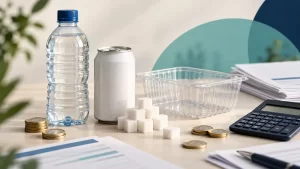
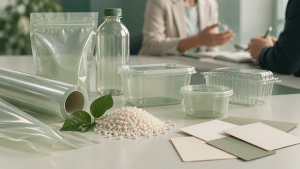
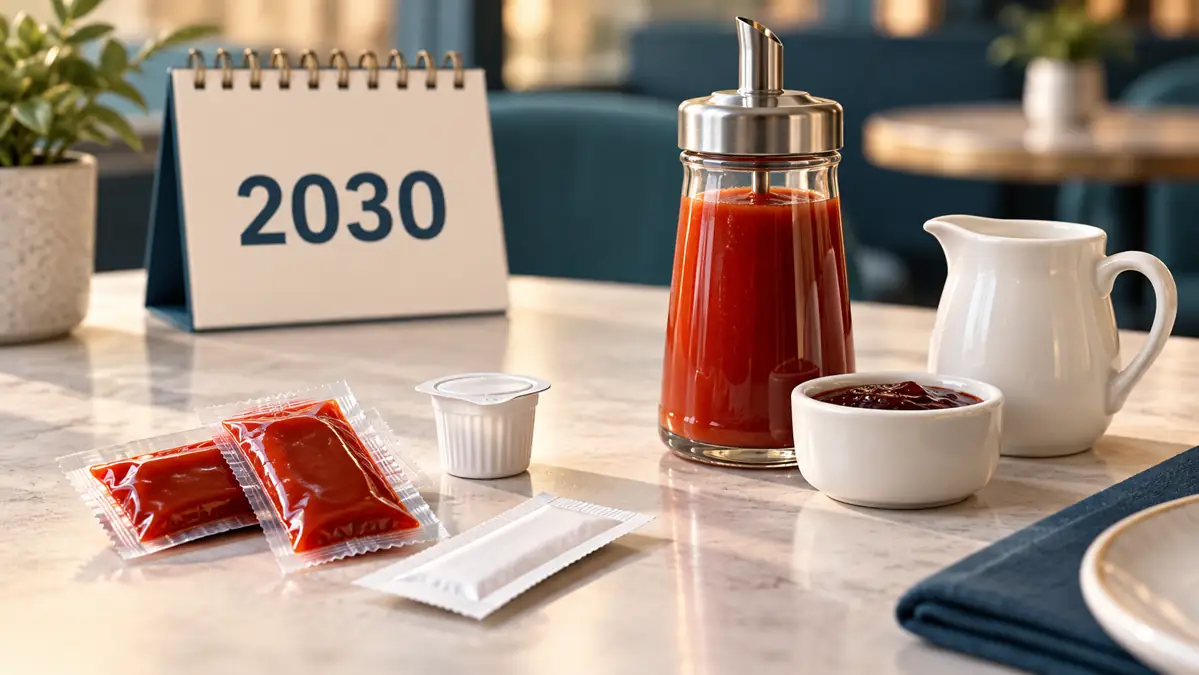
AI-generated concept illustration of portion packaging and possible reusable alternatives.
Contact
Questions about packaging, battery or electrical equipment compliance? We look forward to hearing from you.
Frankfurter Str. 70–72
65760 Eschborn, Germany