
PPWR Practical Check: Three Misconceptions About the New EU Packaging Regulation
The new EU Packaging Regulation (PPWR) represents one of the most comprehensive regulatory changes for the European economy. The goal
What Companies Need to Know About Eco-Modulation
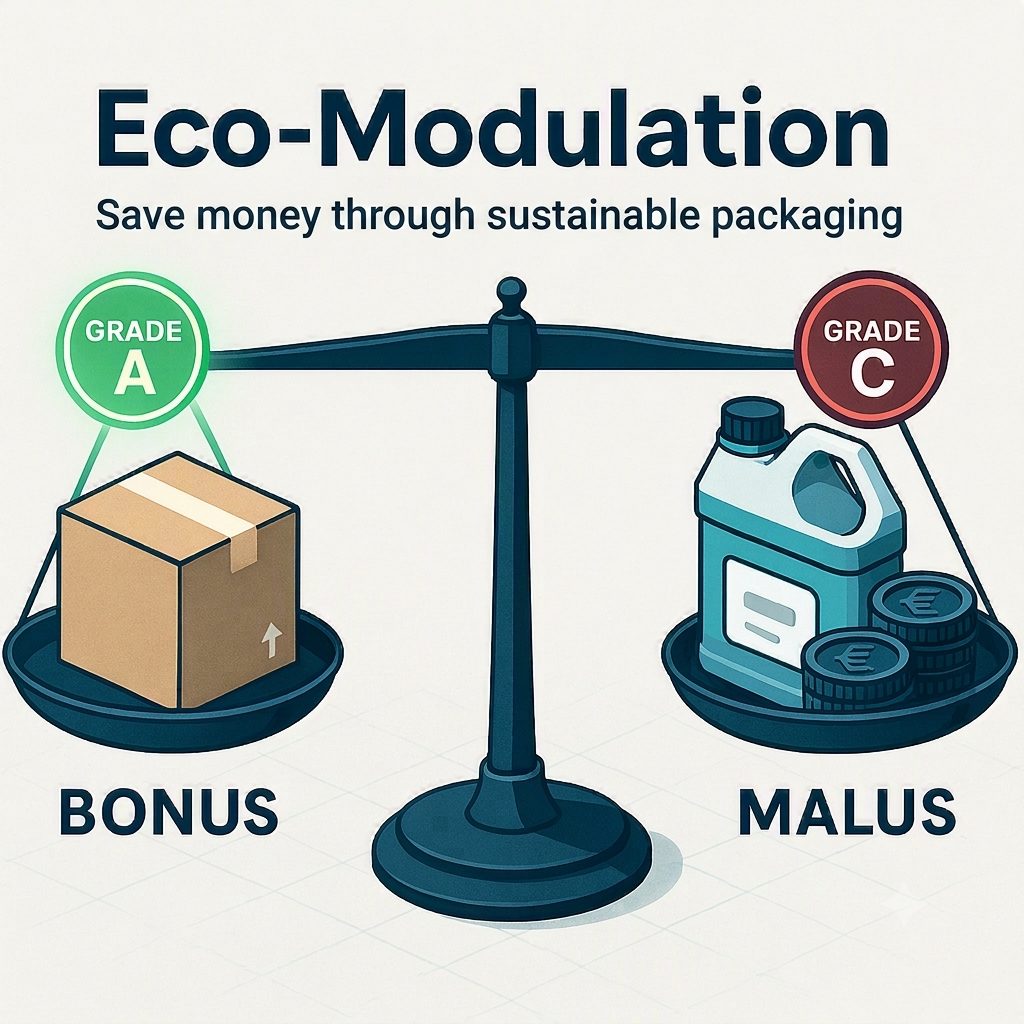
Eco-modulation is a financial incentive and penalty system for packaging under the Extended Producer Responsibility (EPR) framework. Those who use
PPWR PFAS: New Limits & Bans Effective August 2026
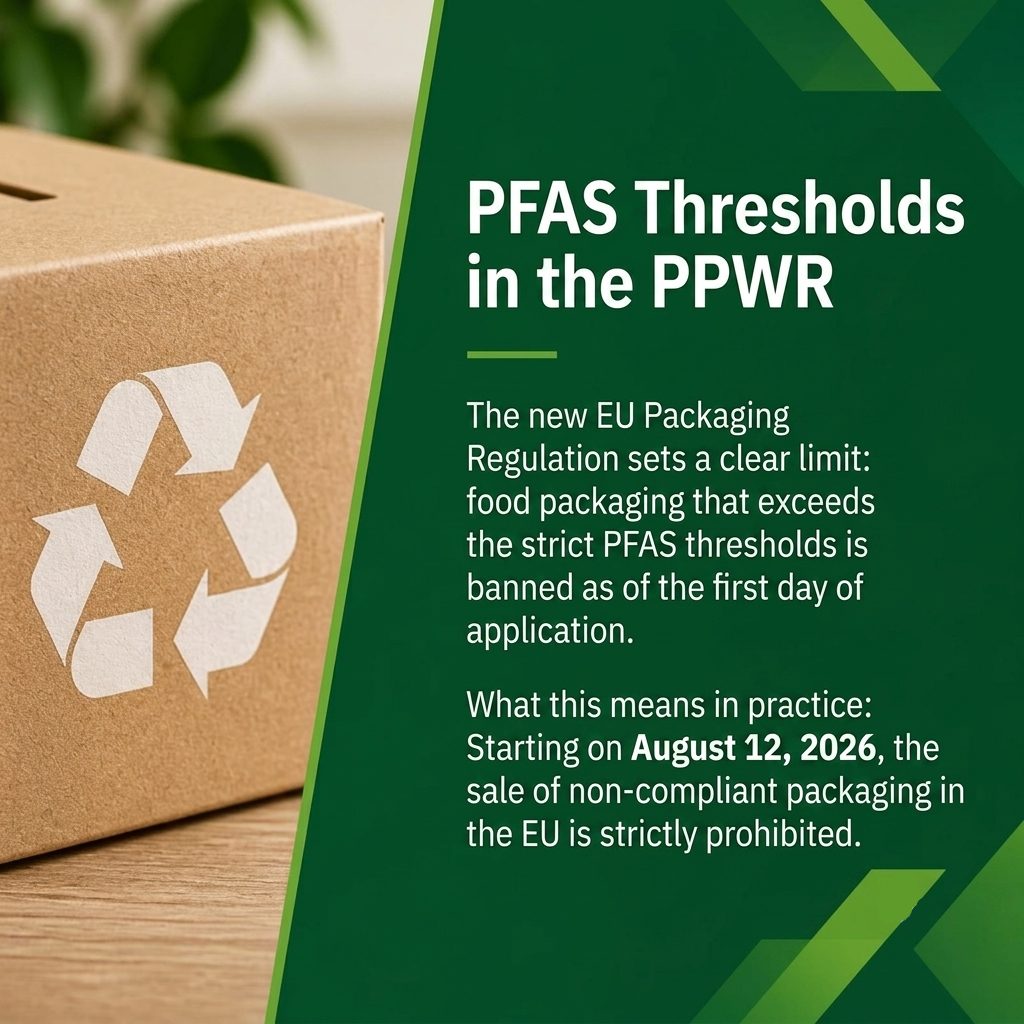
Effective August 12, 2026, the new EU Packaging Regulation (PPWR) prohibits the placing on the market of food contact packaging
EPR Spain: Requirements for Packaging, WEEE, and Batteries
The Spanish Ministry of Ecological Transition (MITECO) is cracking down on Extended Producer Responsibility (EPR). Anyone who places packaging, batteries,

The ear Foundation: What is it all about and who needs to register?
Anyone who places electrical appliances or batteries on the market in Germany for the first time for commercial purposes is
EPR Registration 2026: How Does It Work?
Selling online through your own online stores or platforms such as Amazon and eBay makes Extended Producer Responsibility (EPR) a
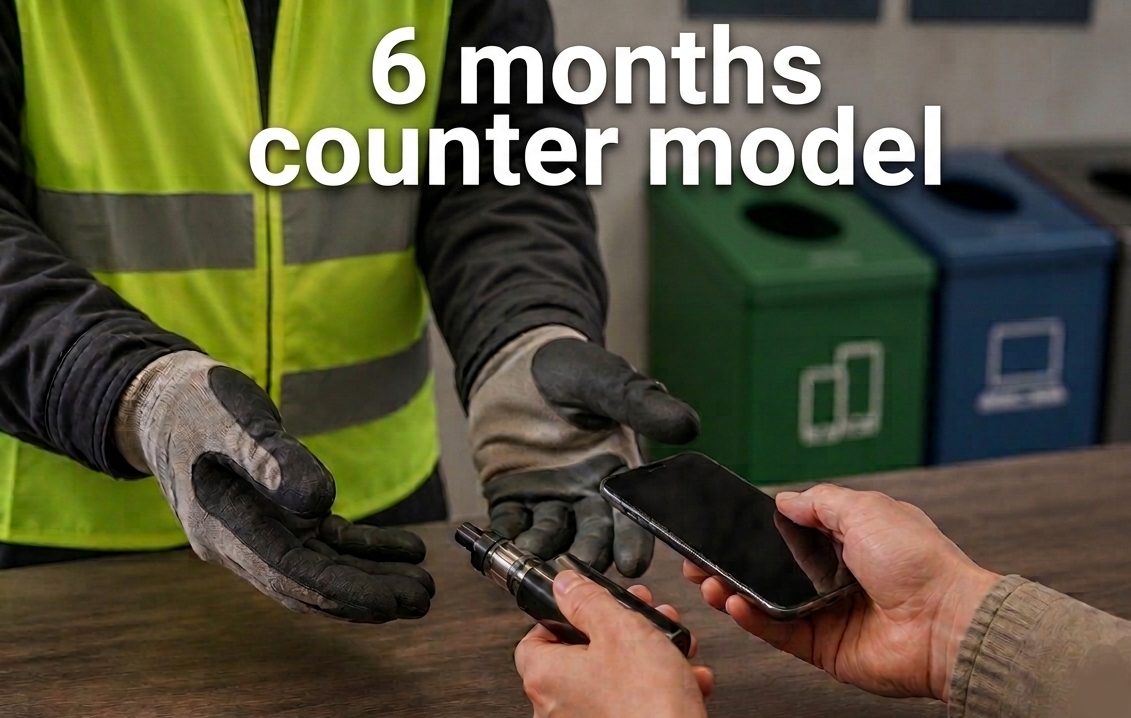
Midterm Review: Six Months of the “Counter Model” Under the ElektroG
The latest amendment to the Electrical and Electronic Equipment Act (ElektroG4) has been in effect since January 2026. A key
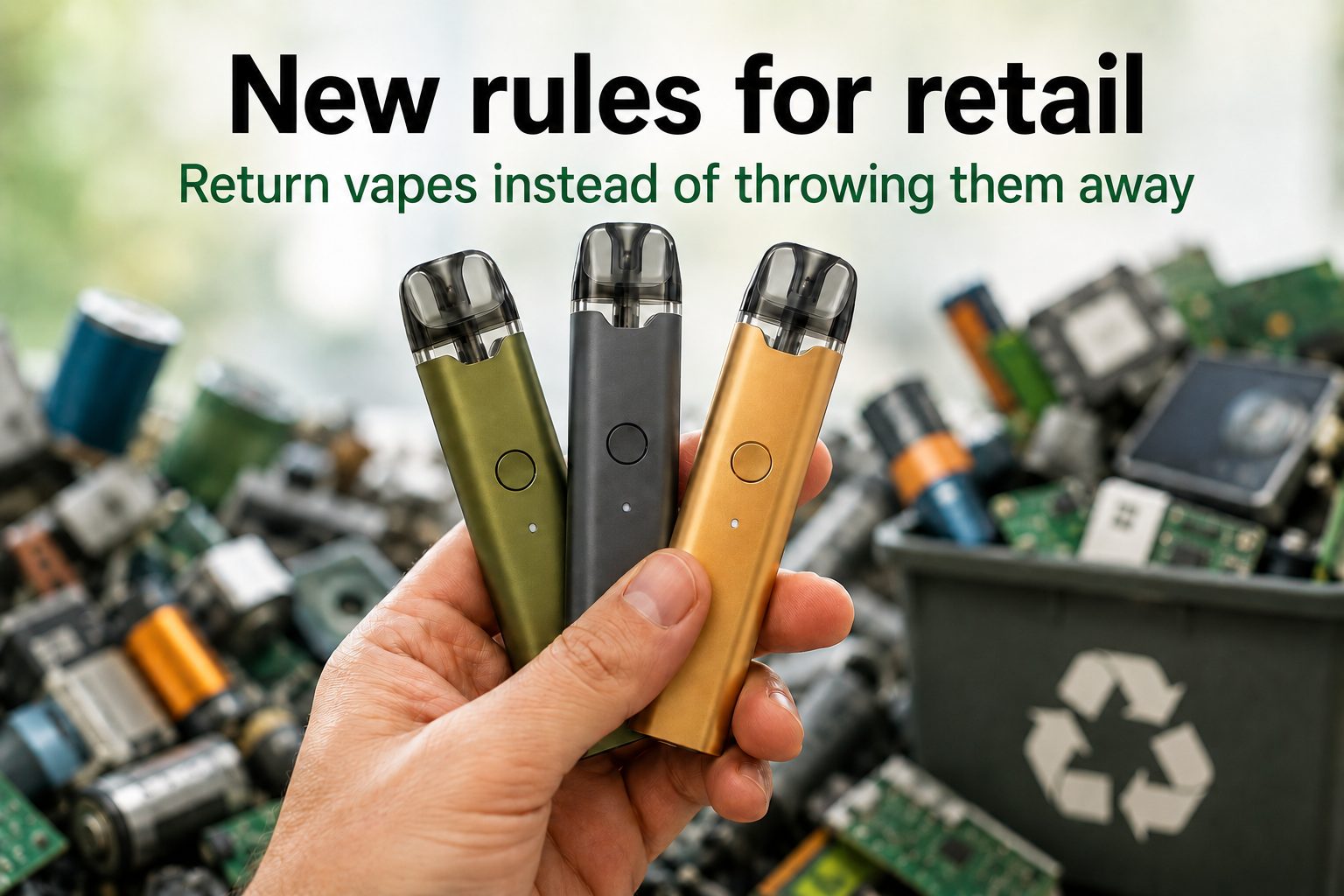
Important Legislative Change: New Take-Back Requirement for Disposable E-Cigarettes
Starting July 1, 2026, expanded regulations for the sale of single-use vapes will take effect. All retail outlets must now
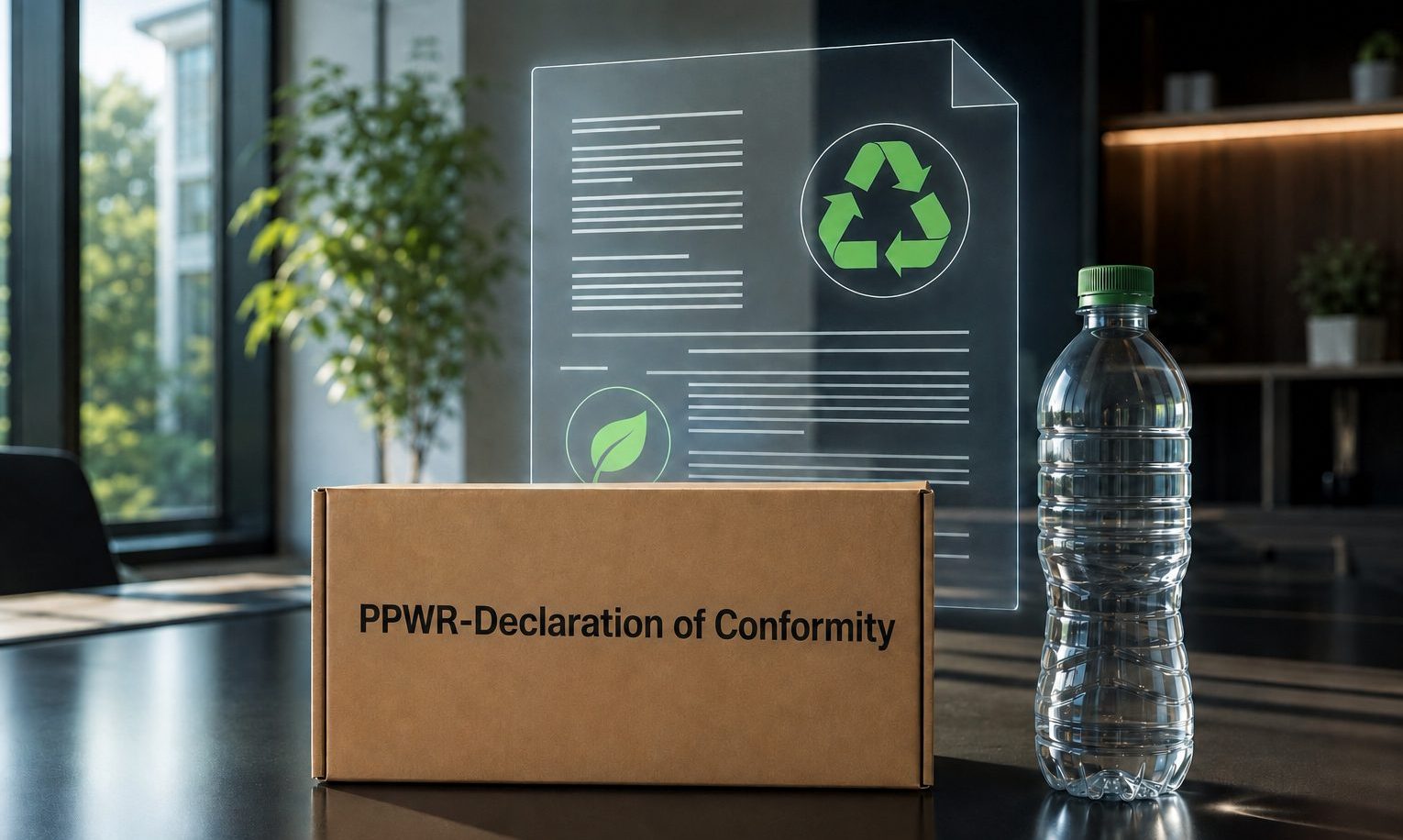
PPWR Declaration of Conformity: The Legal Foundation for Packaging Starting in August 2026
The new EU Packaging Regulation (PPWR) will take effect on August 12, 2026. Without a legally binding Declaration of Conformity

Germany’s Packaging Act – What Companies Need to Know About the LUCID Registry
Anyone who commercially places packaged goods into circulation in Germany is responsible for their disposal and recycling. The Packaging Act

Why the Tighter REACH Regulations Affect Every Product Supplier
The EU is drastically tightening its regulations on chemicals. This no longer affects just the chemical industry, but everyone who
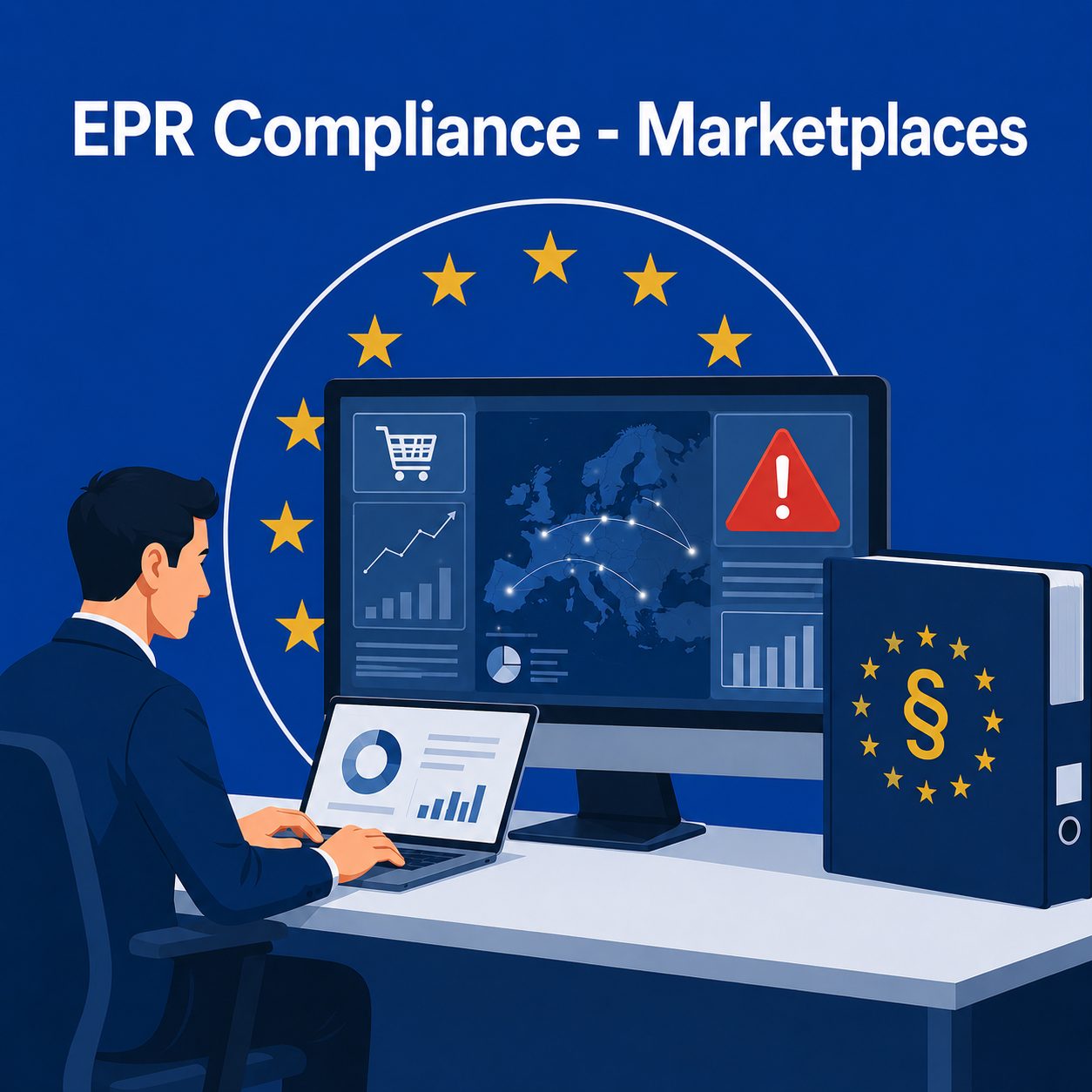
From Intermediary to Enforcer – The Role of Marketplaces
Online marketplaces such as Amazon, eBay, and Zalando no longer act as passive intermediaries. With the entry into force of
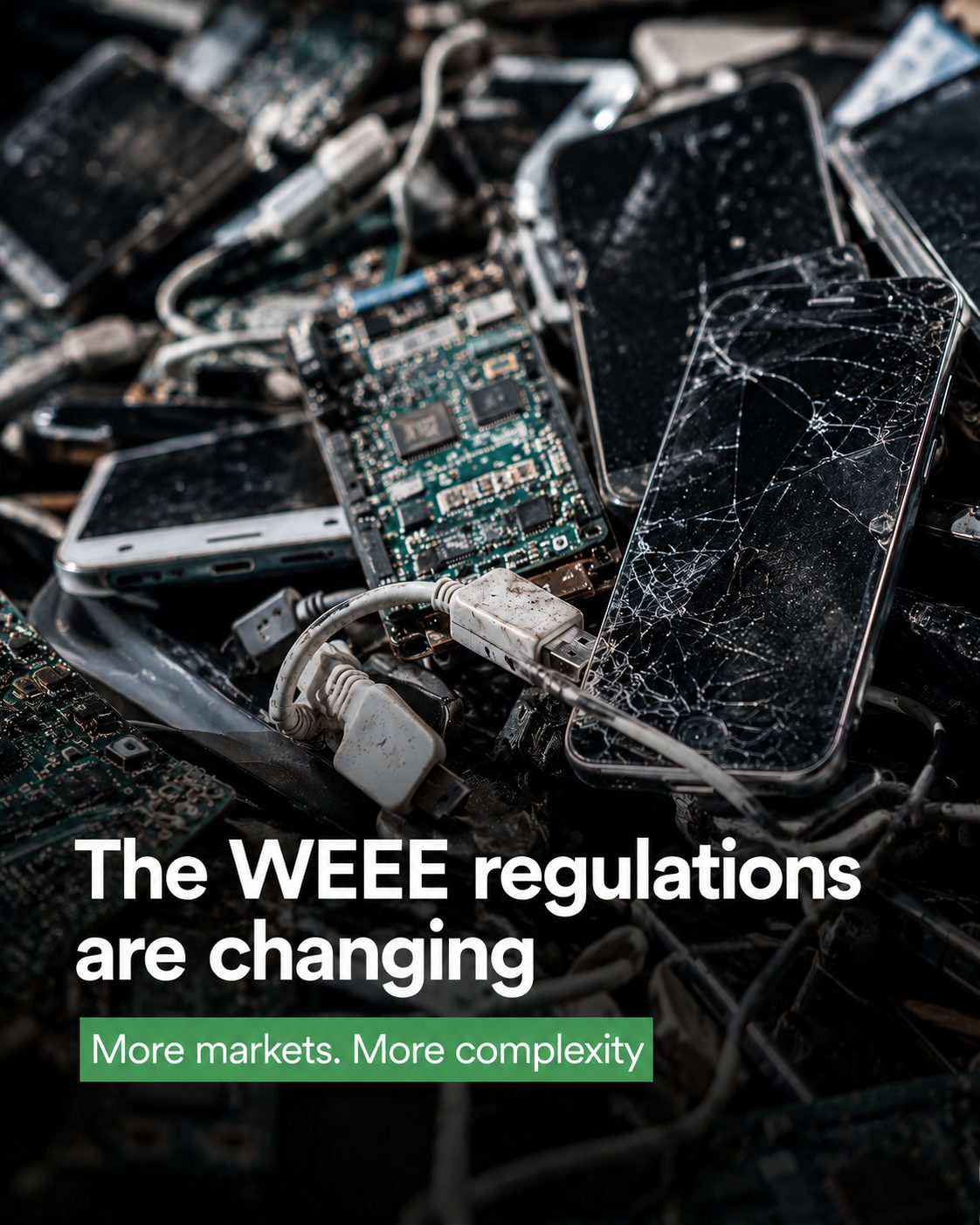
WEEE regulations are changing: More markets. More complexity.
Anyone who sells electrical and electronic equipment in Europe quickly realizes that implementation of the WEEE Directive is inconsistent. The
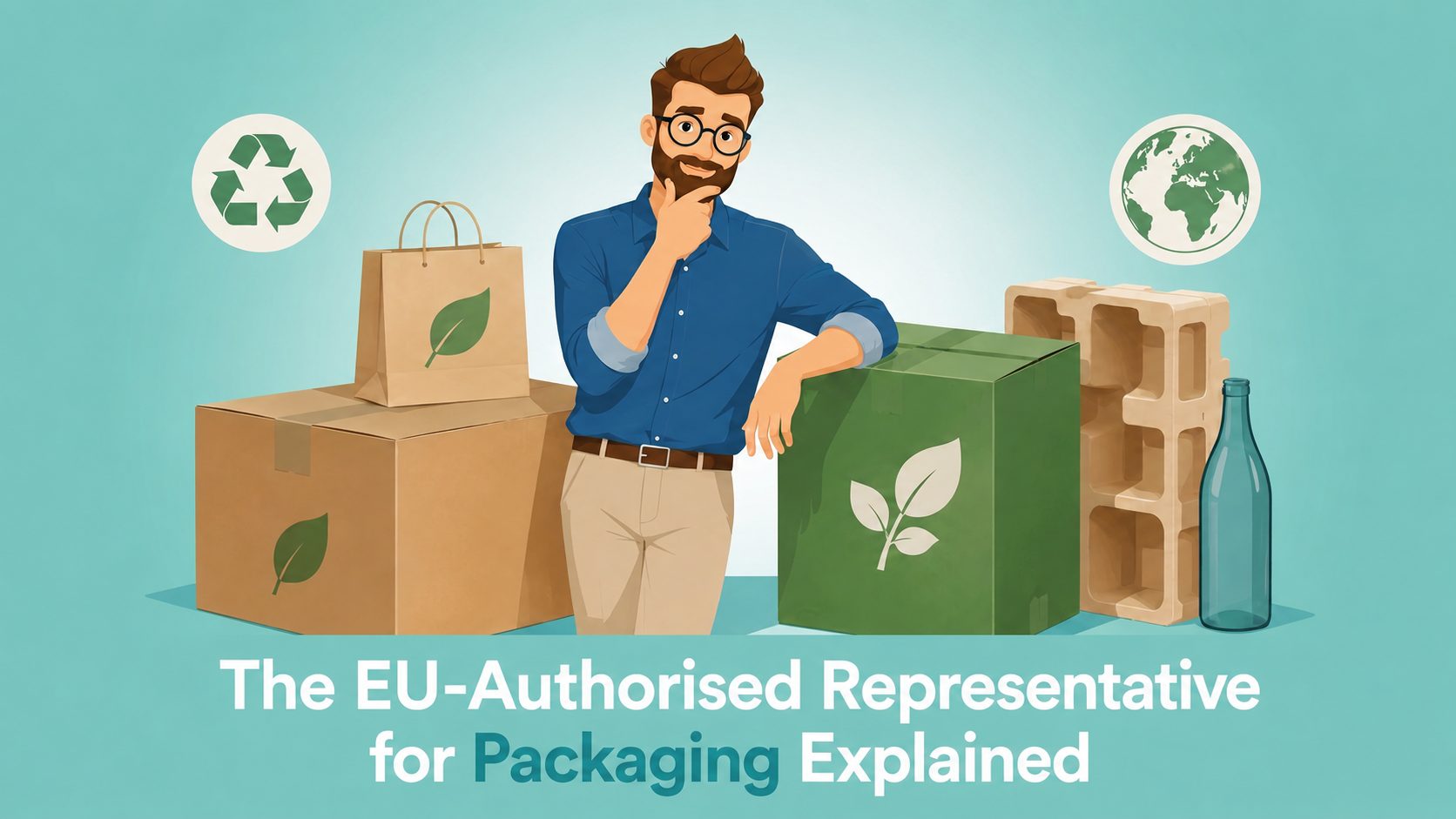
EPR Authorized Representative for Packaging: PPWR Obligations Effective August 2026
With the EU Packaging Regulation (PPWR) set to take effect on August 12, 2026, cross-border trade is facing profound changes.
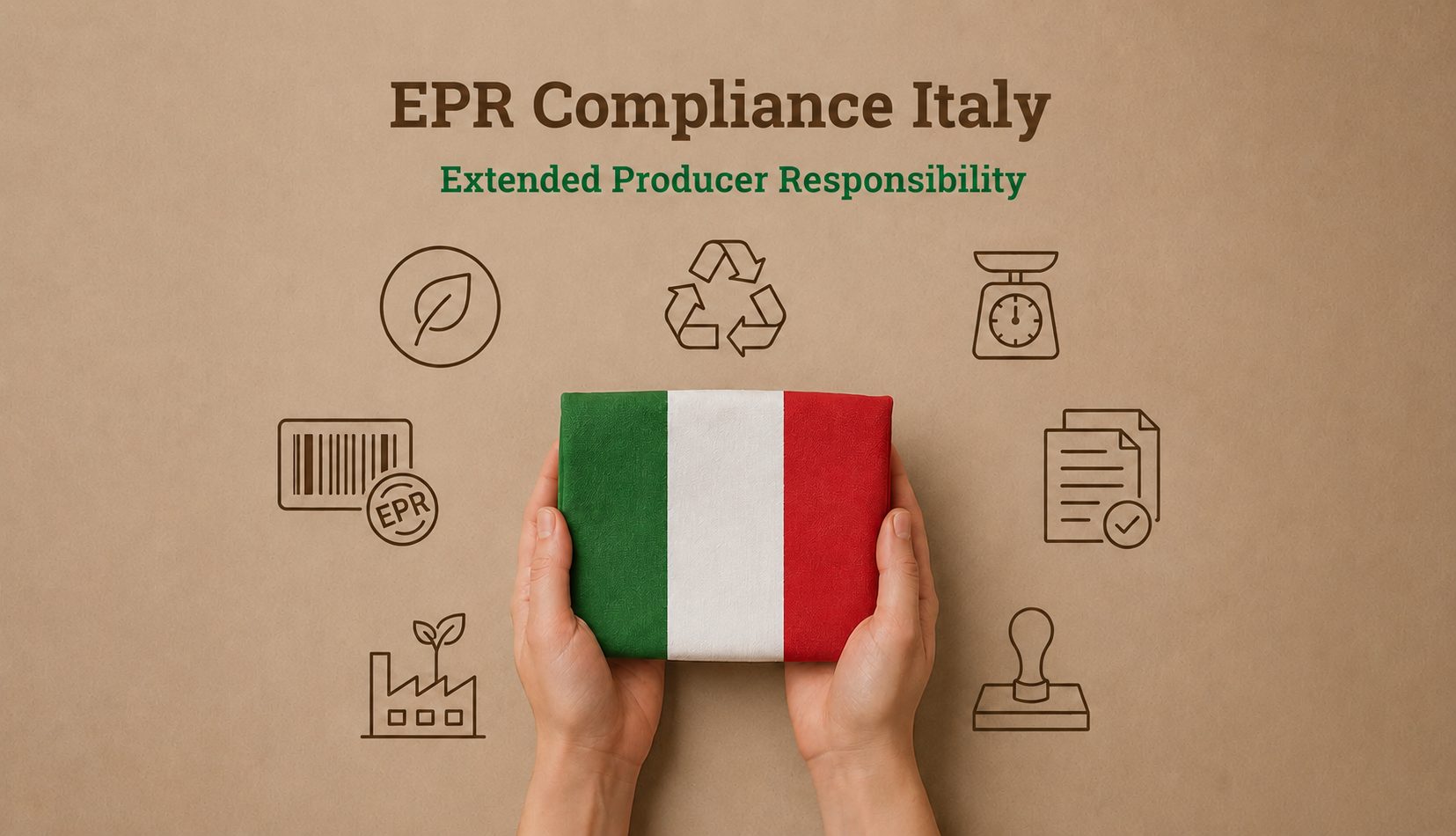
EPR Compliance in Italy in 2026: Do You Know Your Obligations Regarding Packaging, Batteries, and WEEE?
The Italian Ministry of the Environment (MASE) is cracking down on Extended Producer Responsibility (EPR). Anyone who places packaging, batteries,
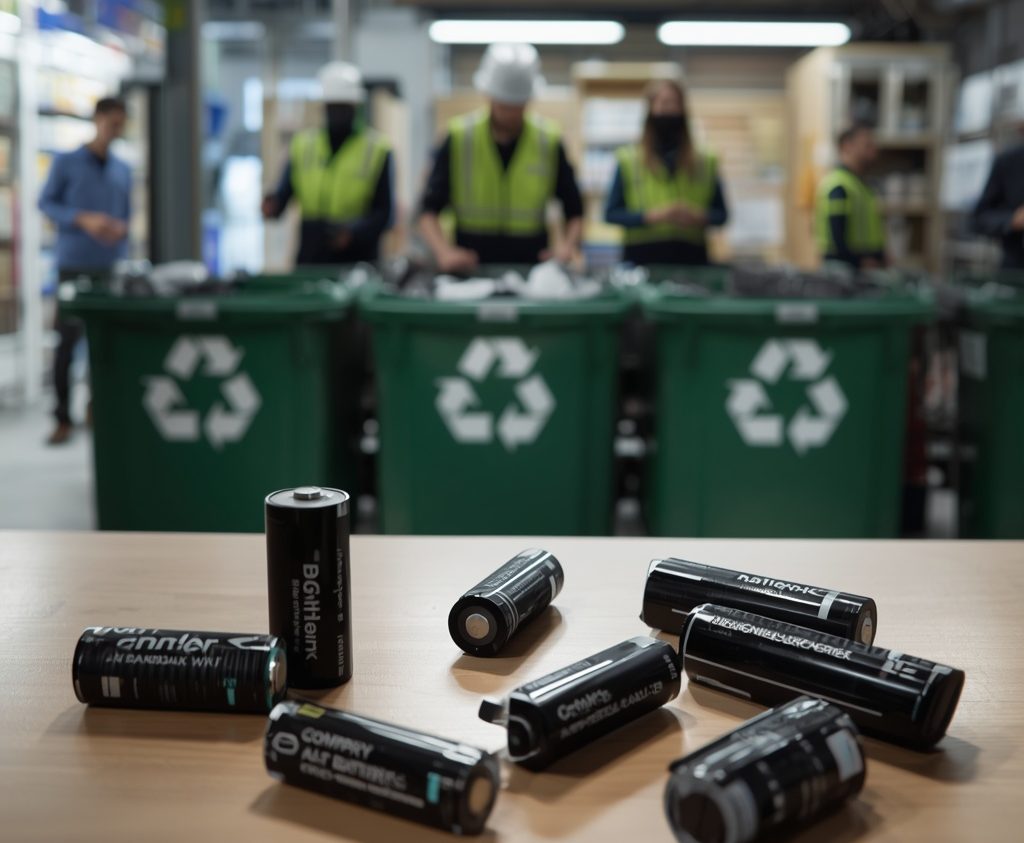
The amount of portable batteries collected is steadily increasing!
The amount of portable batteries collected is steadily increasing! The amount of used batteries and rechargeable batteries collected in Germany

More than just recycling: How the R hierarchy guides the circular economy
In public discourse, recycling is often regarded as the ultimate solution. However, the scientific and legal waste hierarchy shows that

Photovoltaics in Germany: From a Launch in Space to a Mainstay of the Energy Mix
The modern solar cell was invented in 1954. Once an expensive technology used in satellites, it now supplies a large
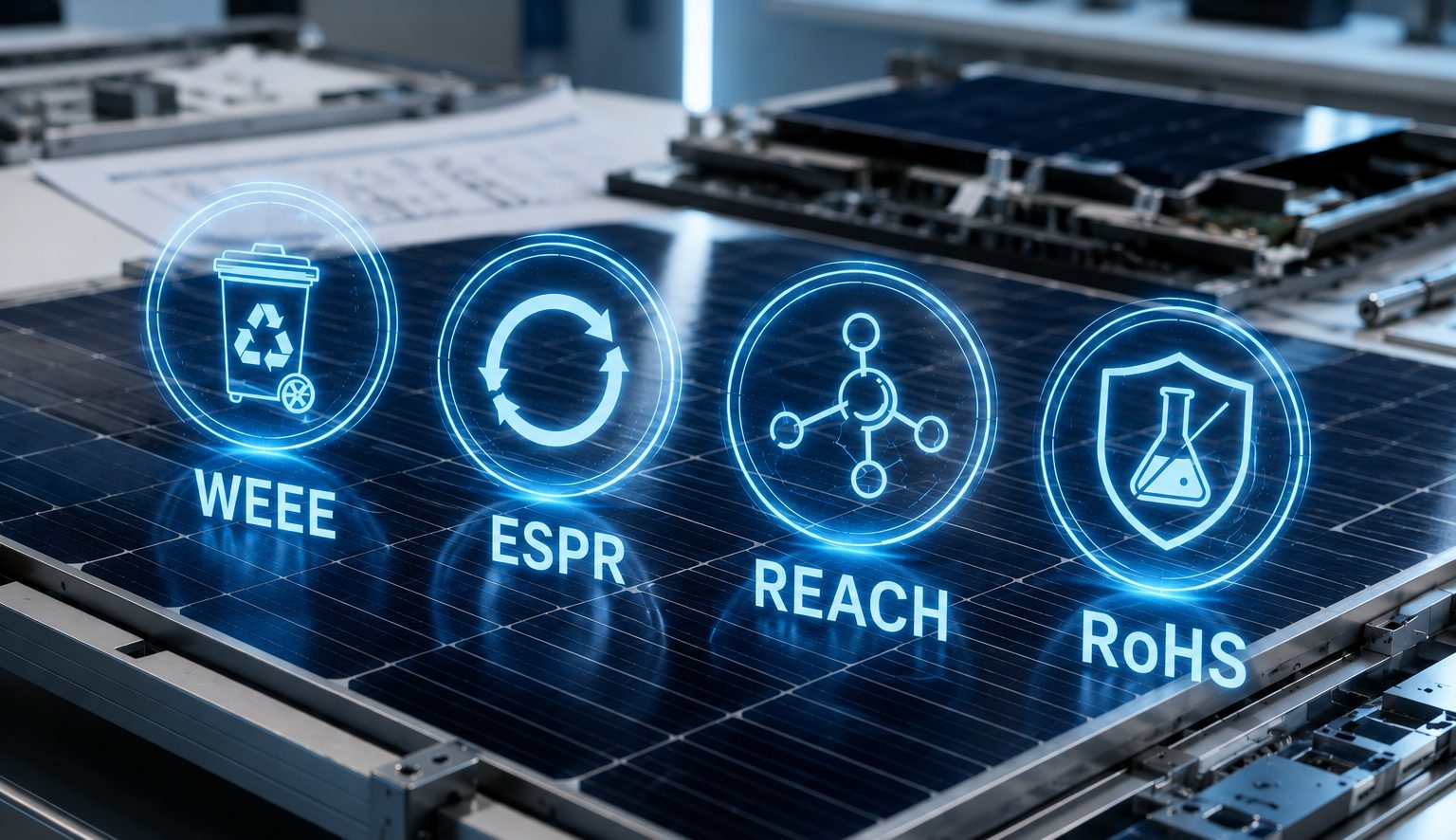
The Future of the Solar Industry: What you need to know about the new EU regulations
Die Zukunft der PV-Branche: Was Sie über die neuen EU-Vorgaben wissen müssen Die Zukunft der PV-Branche: Was Sie über die
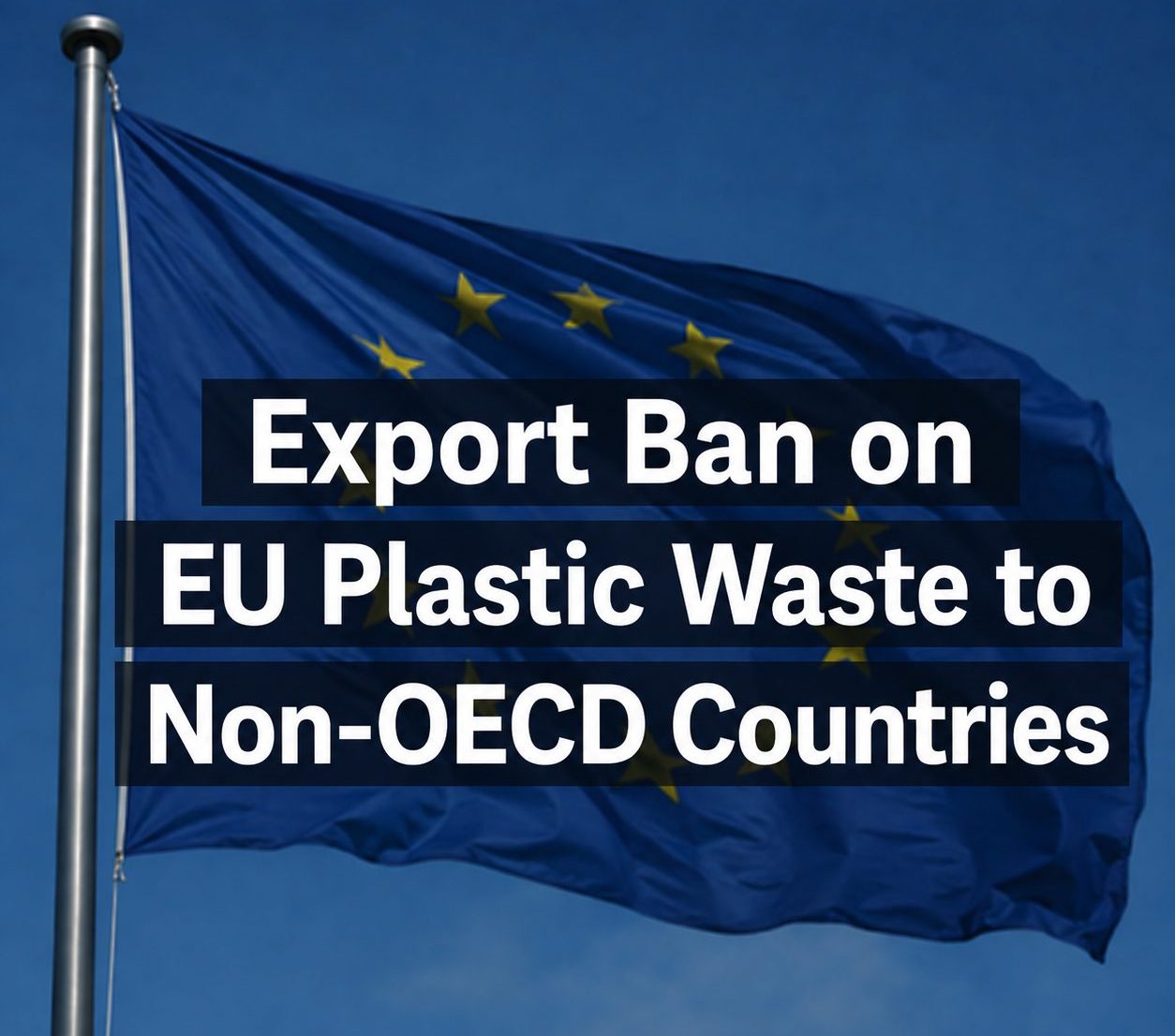
Circular Economy instead of Waste Export: A closer look at the new EU Waste Shipment Regulation
On November 21, 2026, the official ban on the export of EU plastic waste to non-OECD countries will take effect.Although
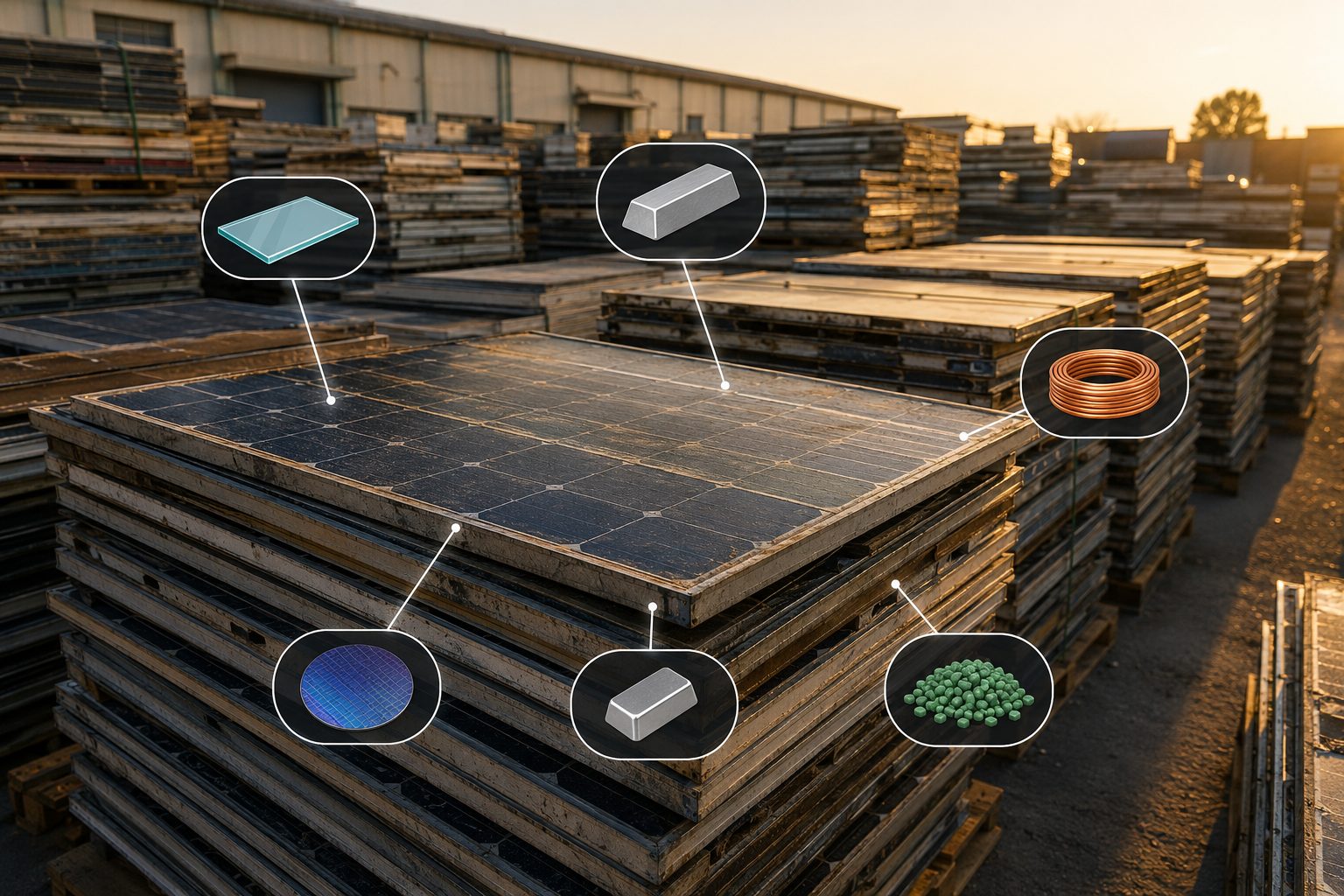
The “Disposal Wave”: What Happens to Our Solar Panels After 30 Years? ☀️♻️
The “Disposal Wave”: What Happens to Our Solar Panels After 30 Years? ☀️♻️ Die „Entsorgungswelle“: Was passiert mit unseren Solarmodulen
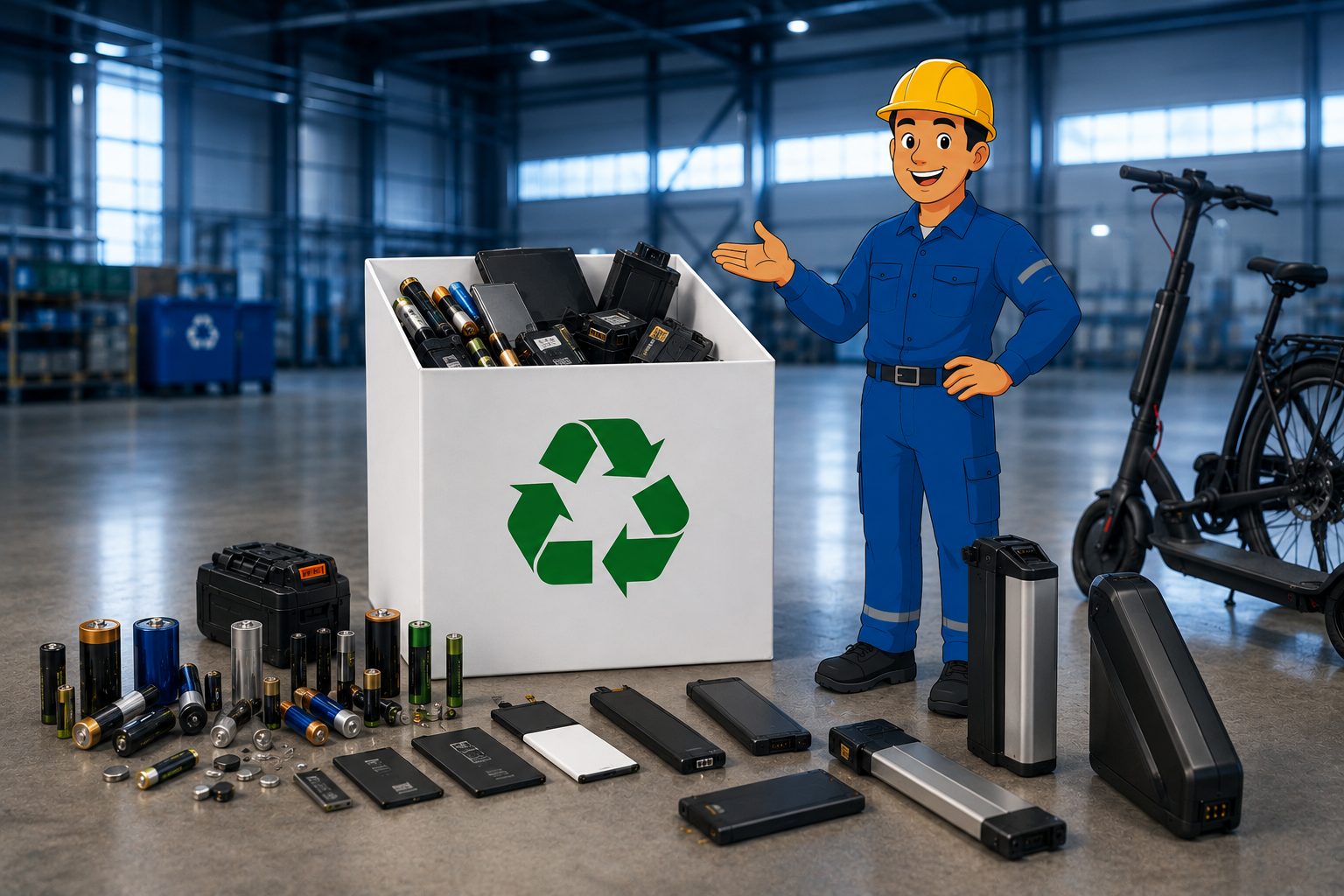
The Future of the Circular Economy: Collection Targets for Batteries
With the new Battery Act Implementation Act (BattDG) and the EU Battery Regulation, stricter rules for disposal and recycling are

The EU Repairability and Durability Index 2026/2027
The EU Repairability and Durability Index 2026/2027 In the summer of 2026, the “European Green Deal” will drive the transition
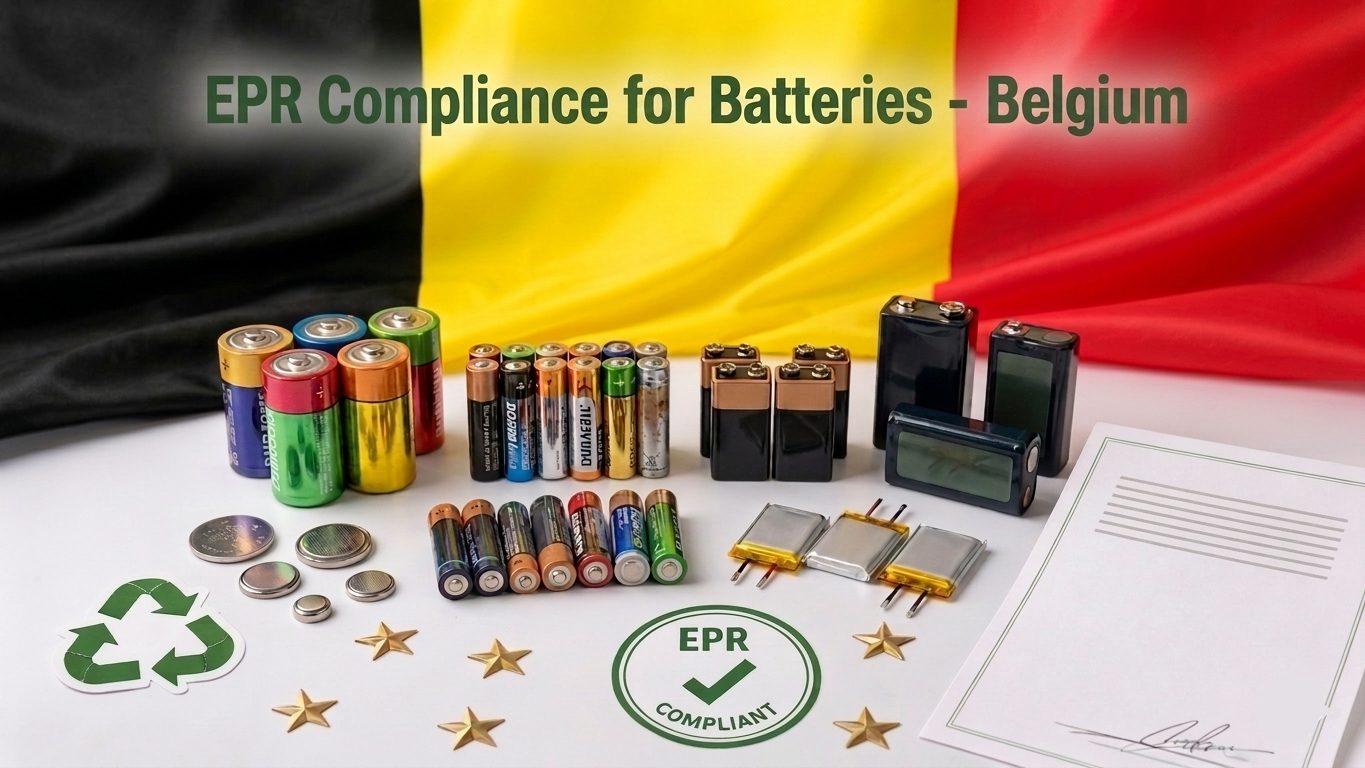
Guide and Checklist: EPR Compliance for Batteries in Belgium
Elementor #17155 Guide and Checklist: EPR Compliance for Batteries in Belgium Anyone who sells battery-powered products in Belgium is familiar
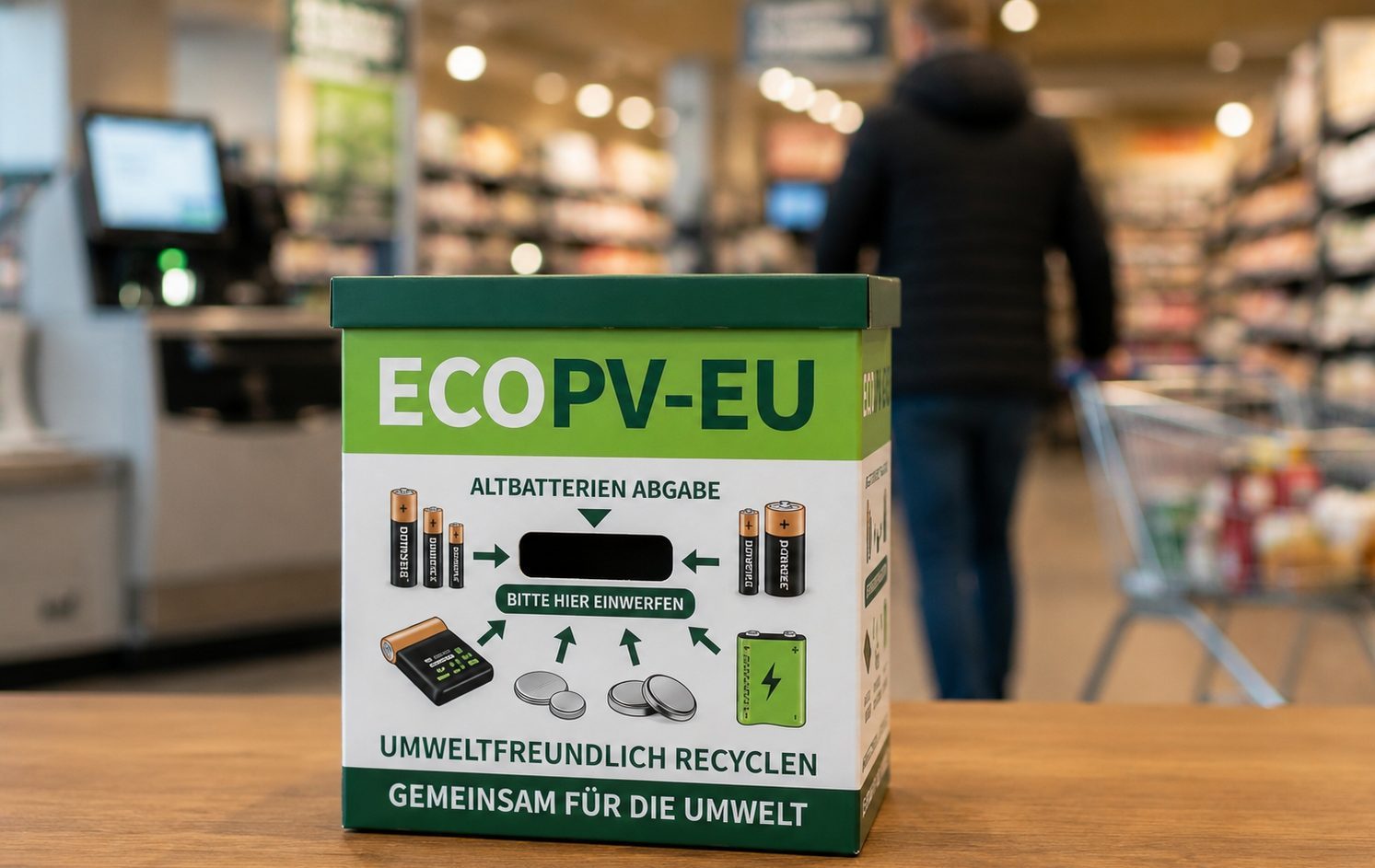
ECOPV-EU operates its own collection system for used device batteries
As an officially recognized Producer Responsibility Organization (PRO), ECOPV-EU is your certified partner and operational service provider for extended producer
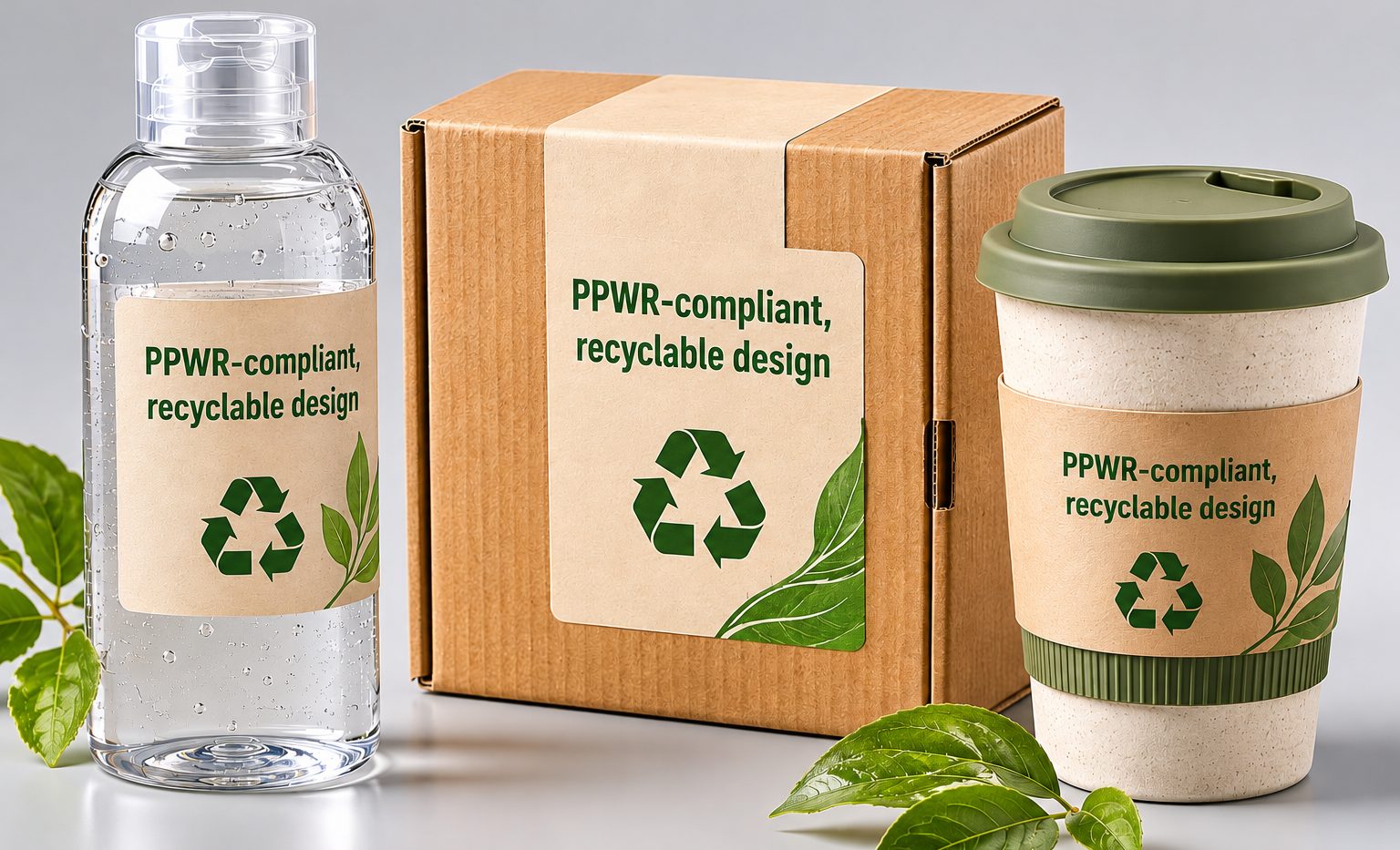
PPWR 2026: The clock is ticking for the packaging industry!
The EU Packaging Regulation (PPWR) will take effect on August 12, 2026. The EU’s goal is to reduce waste by

Deceptive packaging: paper on the outside, plastic on the inside
We’re all familiar with takeout cups labeled “eco-friendly” or “sustainable.” But beneath that supposedly green exterior, there’s almost always a
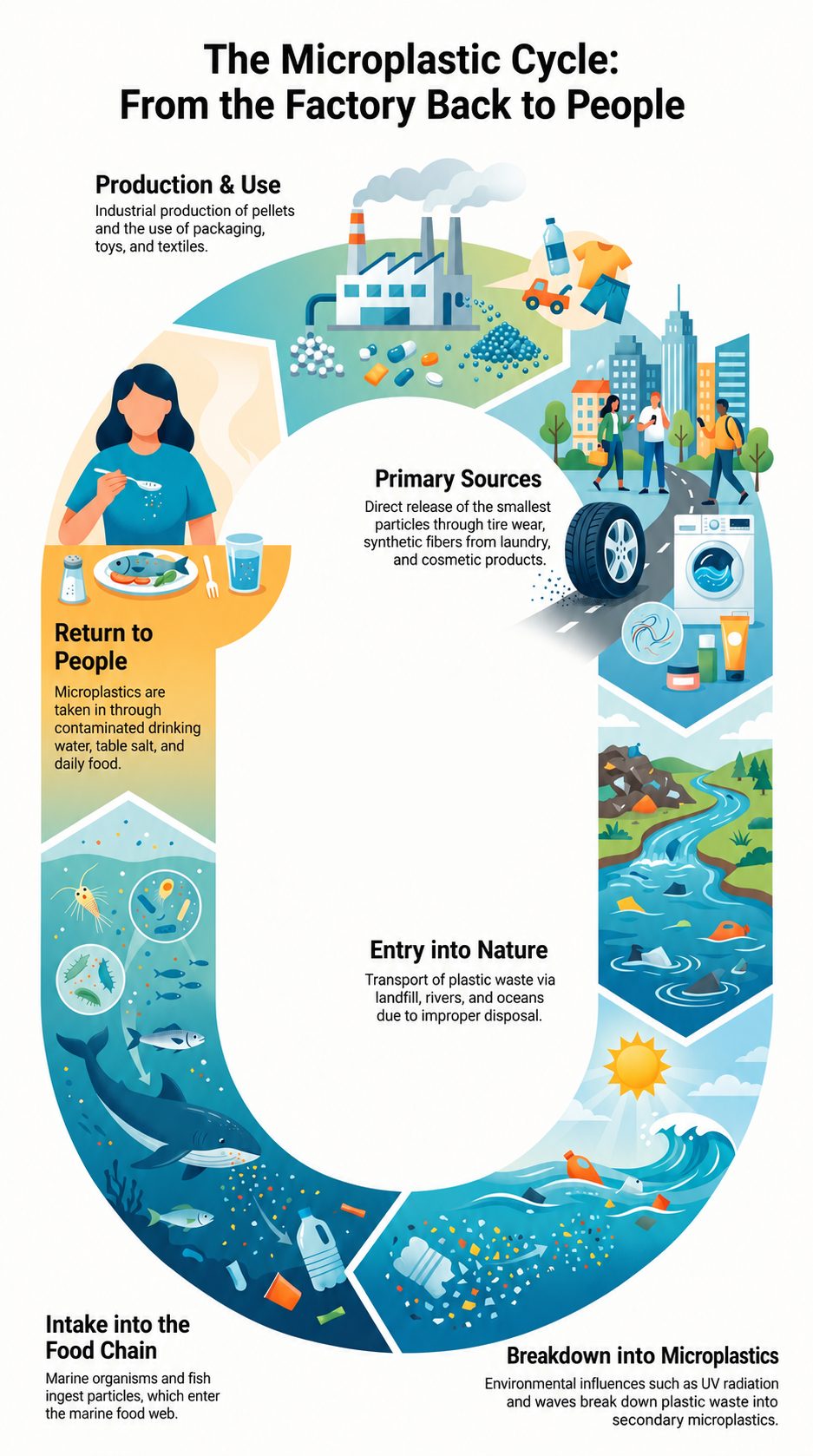
The Microplastic Cycle: From Formation to Regulation
Microplastics are a ubiquitous reality in our environment and our bodies. The life cycle of these tiny particles can be

🔋Seeking Logistics Partners: Battery & Vehicle Disposal!
ECOPV-EU GmbH (an accredited Producer Responsibility Organization under Germany’s Battery Act (BattDG)) is establishing a Europe-wide network for take-back, logistics,
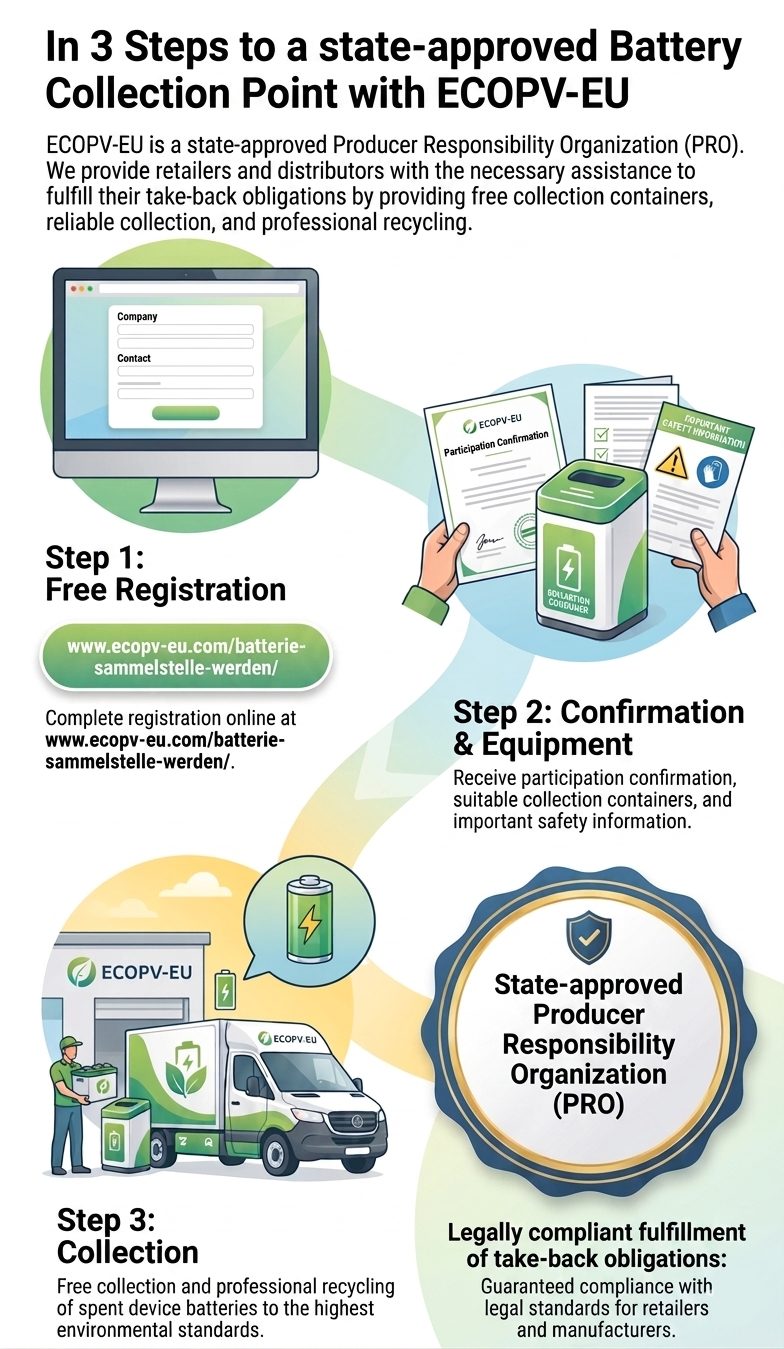
3 Steps to an Official Battery Collection Point with ECOPV-EU
Retailers and distributors are legally required to accept used batteries free of charge, provided they carry them in their product
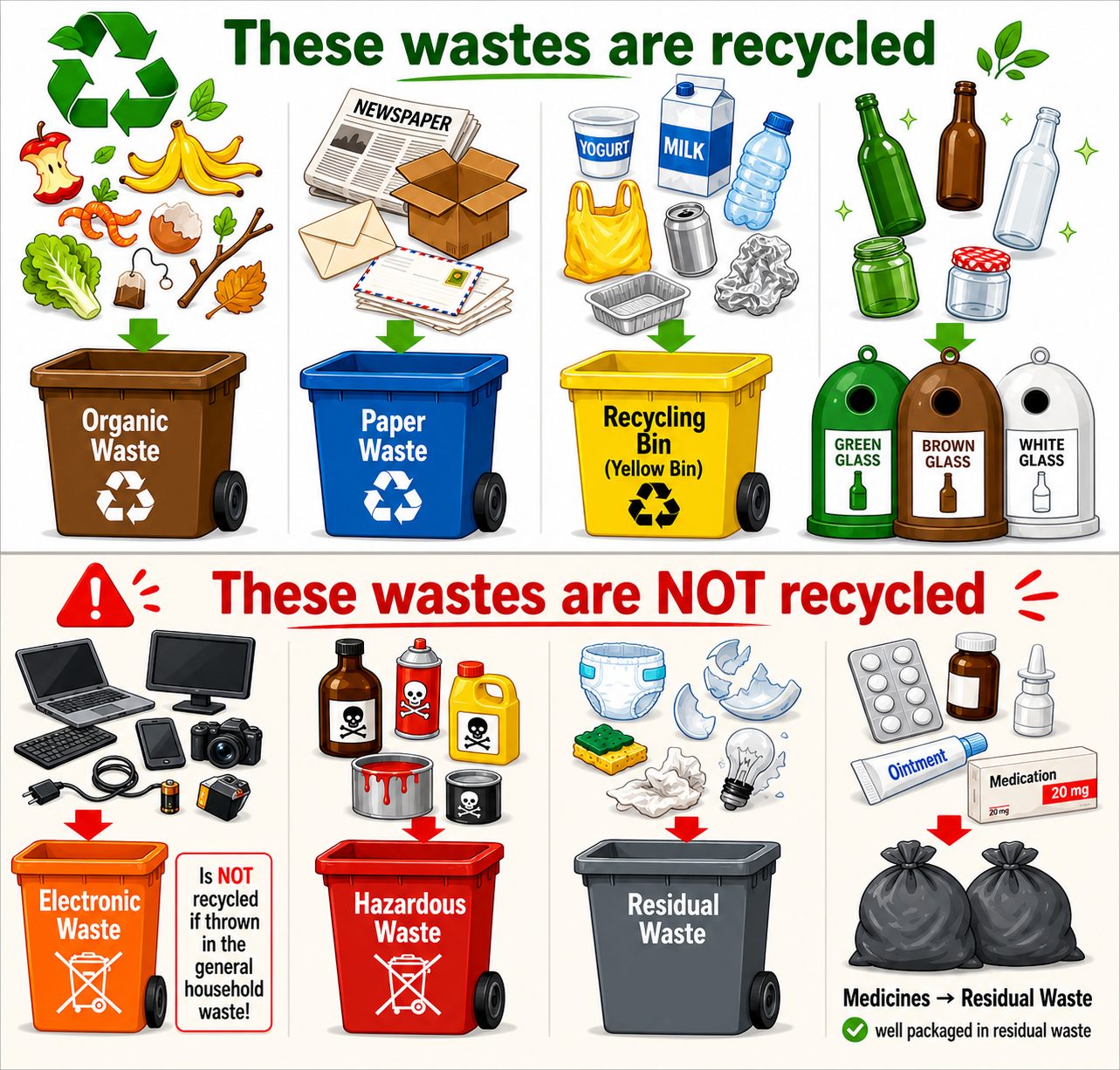
Household Waste Checklist: What can go in and what has to stay out?
Conserving resources starts right at home. The misconception that modern sorting facilities can separate everything perfectly anyway persists. But what
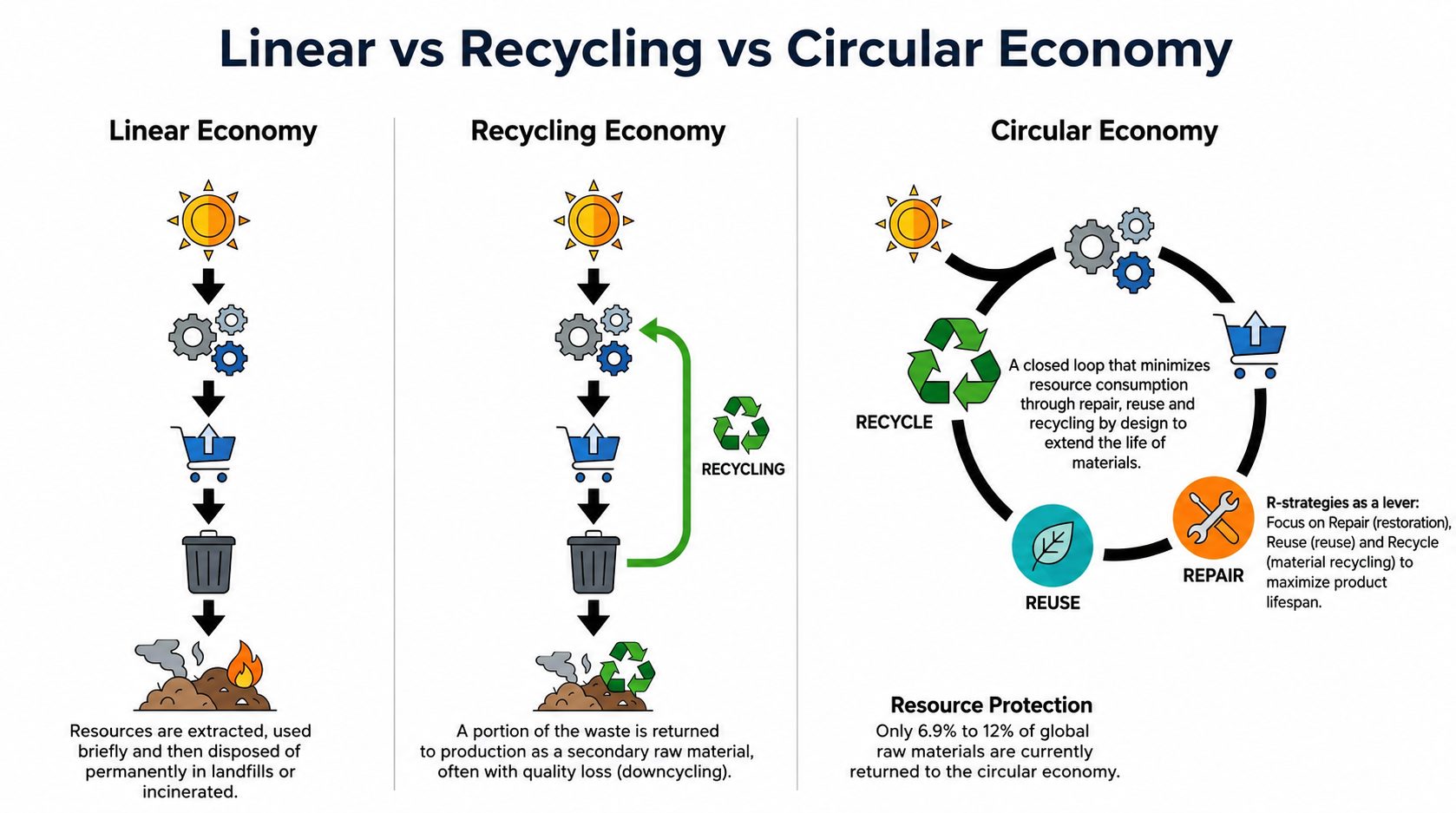
Linear vs. Recycling vs. Circular Economy
The way we manufacture and use products is changing radically. But what do these technical terms mean in practice? 1.
Only a few weeks left until the PPWR!
The new EU Packaging Regulation (PPWR) is coming fast.Now is the time to prepare in a legally compliant manner and
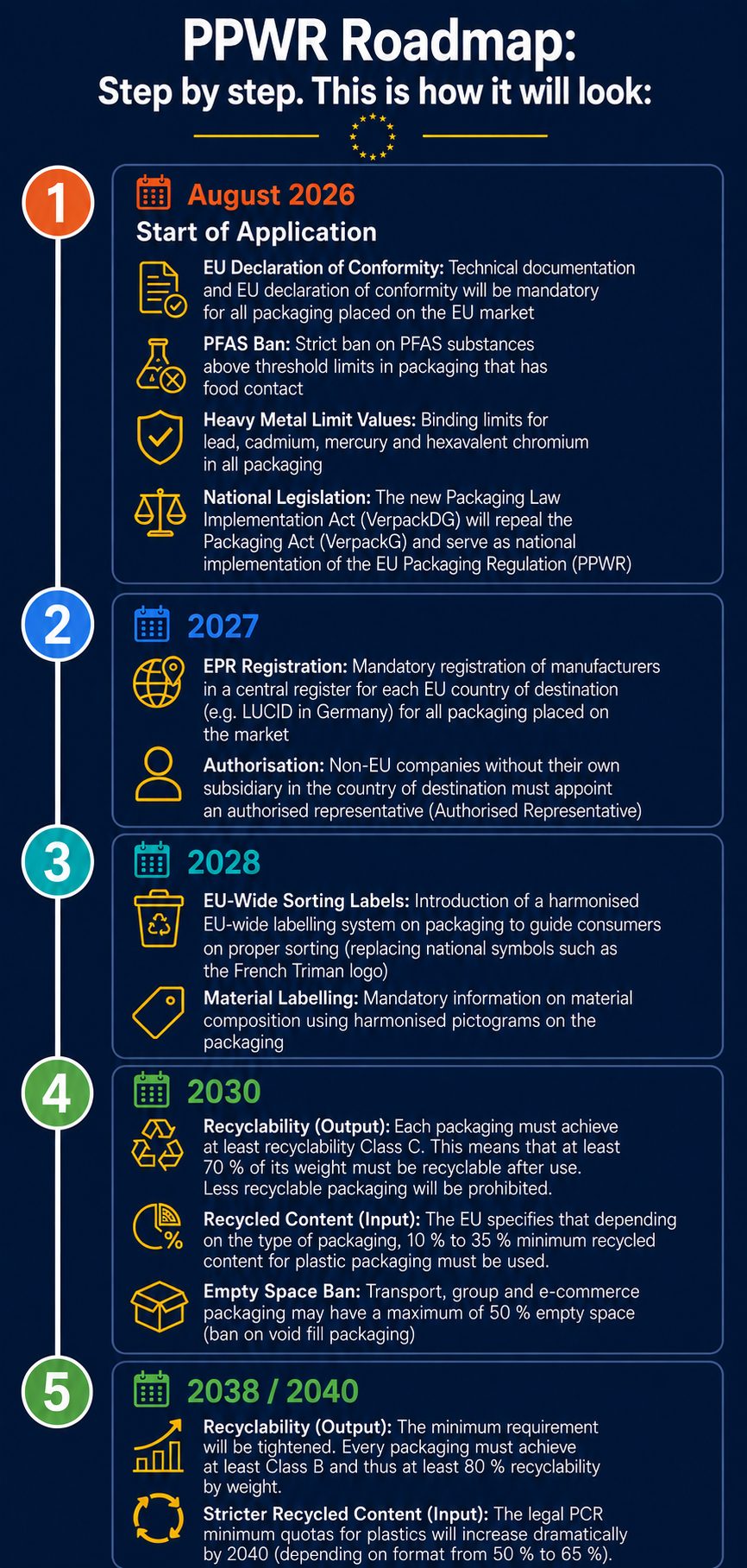
The PPWR is coming: Here’s what will change for packaging starting in 2026!
Here is a quick overview of the official timeline: August 2026: Mandatory EU declaration of conformity, strict PFAS ban, and
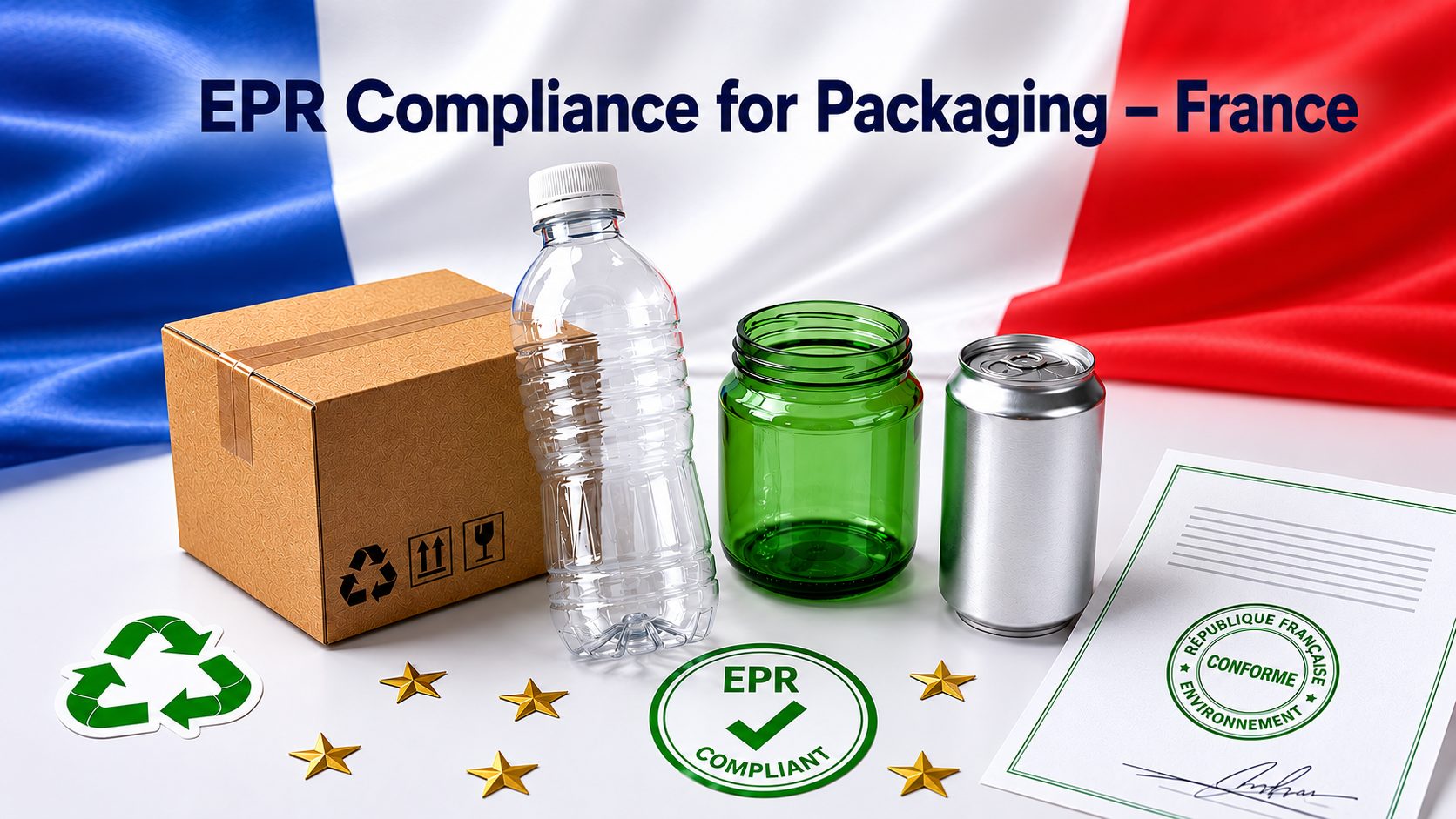
Guide and Checklist: EPR Compliance for Packaging in France
Anyone who sells products in France is familiar with the issue: Extended Producer Responsibility (EPR) makes companies jointly responsible for
German Packaging Act Delayed: What will apply to businesses starting in August 2026?
Recent reports confirm a delay in the Packaging Act Implementation Act (VerpackDG). The reason for this is the European Commission’s
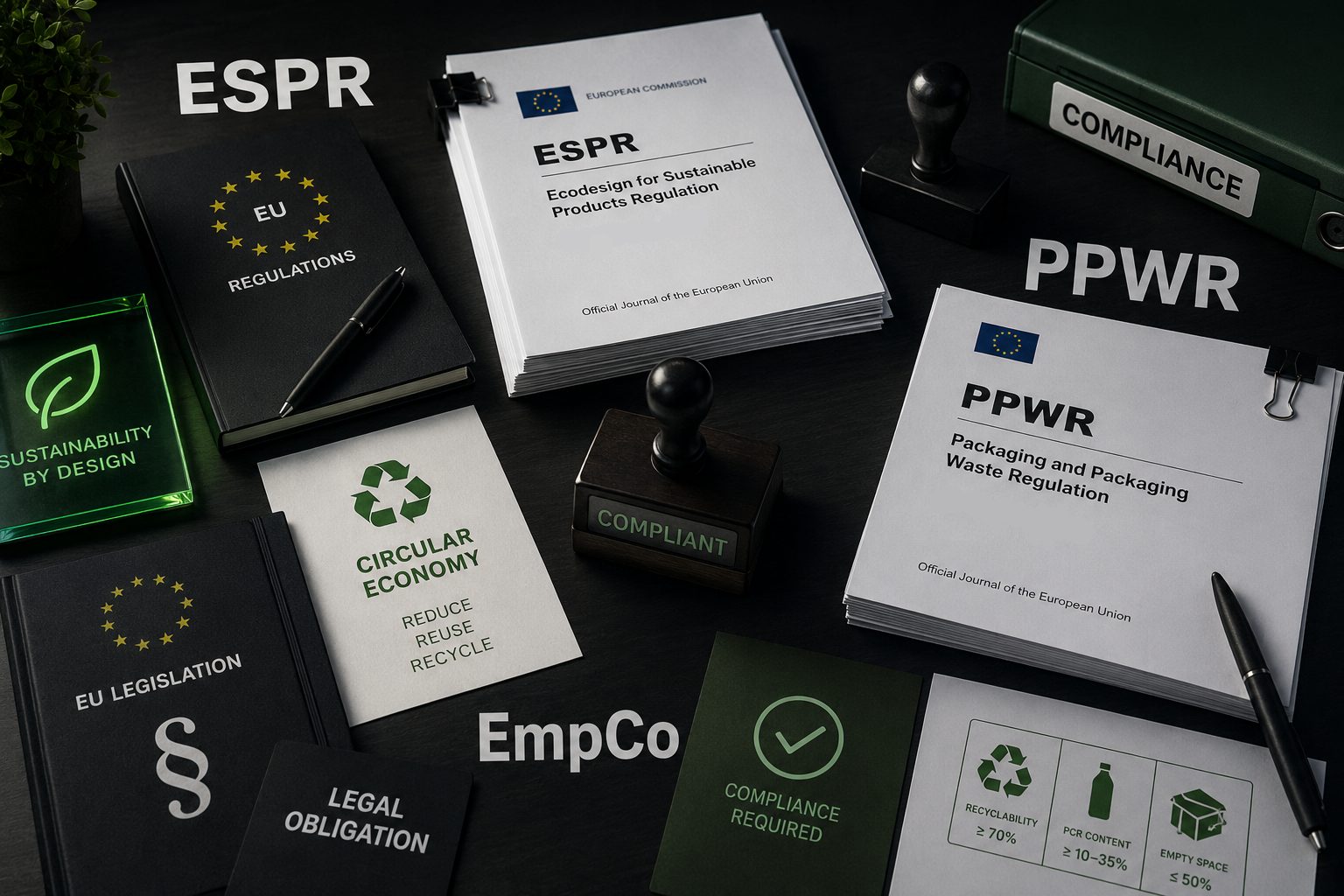
The Major ESG Roadmap starting in 2026: What companies need to know now
Did you know that we are in the midst of a critical phase of the EU’s sustainability strategy? Whereas “sustainability”

From Disposal to Circularity: The State of Waste Management in Germany
Germany produces nearly 380 million tons of waste annually. More than half of this consists of construction and demolition waste.

Urban Mining: The City as the Raw Materials Depot of the Future
We live in a world where raw materials are becoming scarcer, more expensive, and more geopolitically sensitive. At the same

Zero Waste Cities: Aspirations, Reality, and Economic Opportunities
The concept of “Zero Waste Cities” emerged from the realization that traditional waste management has reached its limits. Rising waste
Keep your EPR knowledge up to date!
Whether it’s new laws, the latest news, or useful background information: We’ll keep you up to date! The world of

Smart & Regulatory: The regulatory obligations of wearables
Smartwatches, fitness trackers, and smart clothing are among the fastest-growing product categories. Short innovation cycles, rapid market entry, and international
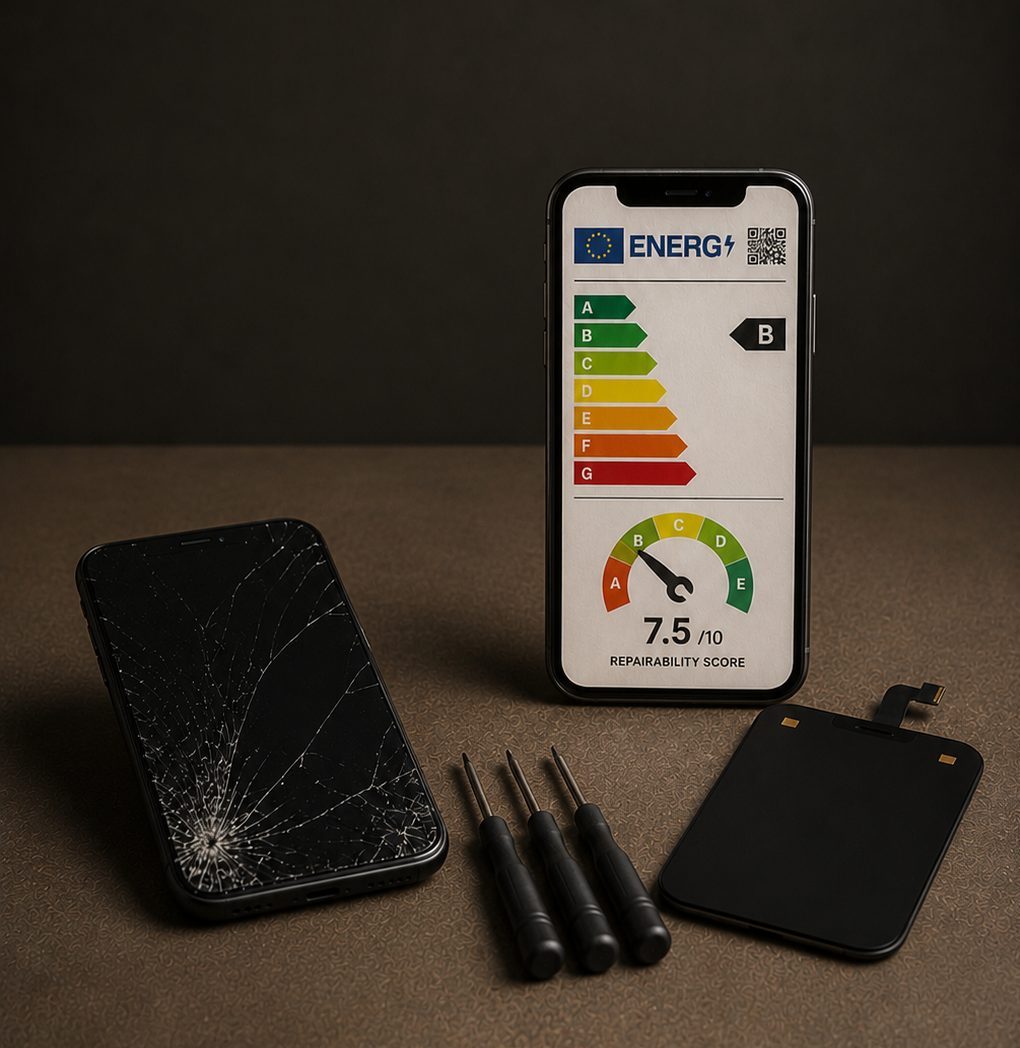
Repair instead of throwing away – the EU is getting serious 🔧
Two new regulations are fundamentally changing the way we deal with electronic devices: the Repairability Score and the Right to
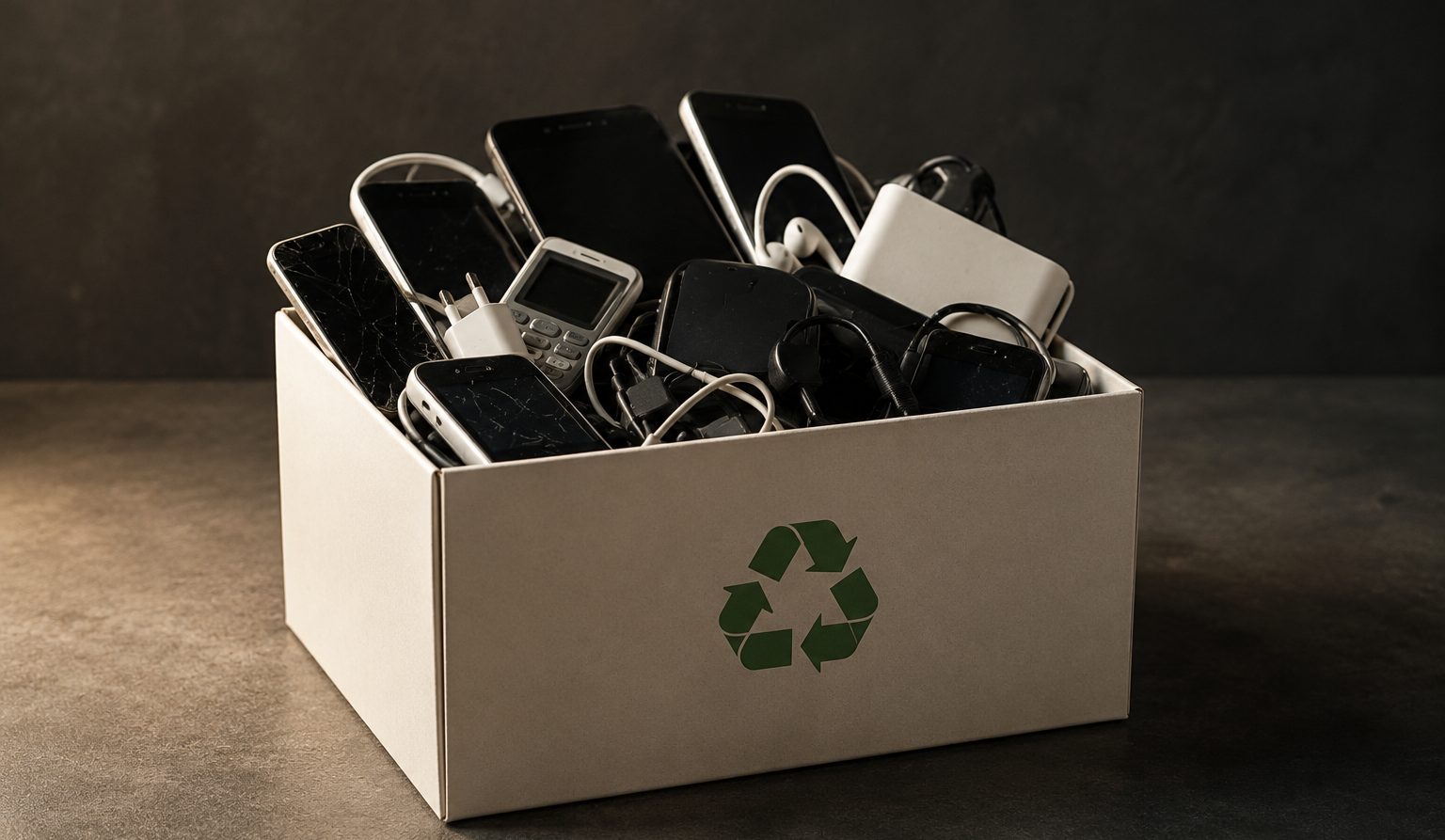
65% collection target for waste electrical equipment: How far are we from meeting the target?
Millions of electrical appliances are sold in Germany every year – in 2024 alone, approximately 2.8 million tons of new
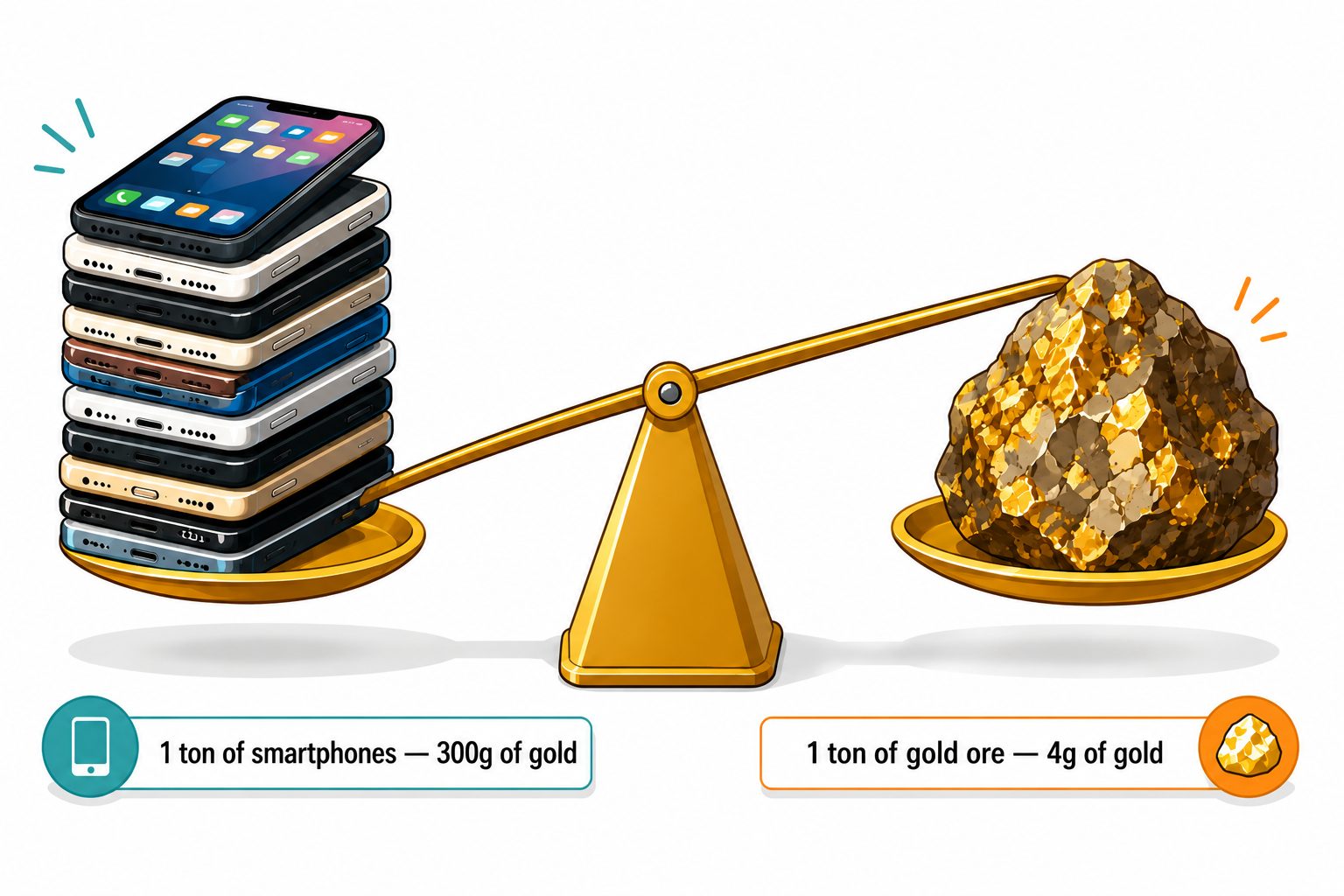
Why your old iPhone is worth more than a gold mine
A ton of old iPhones contains significantly more gold than a ton of gold ore. What sounds absurd is a
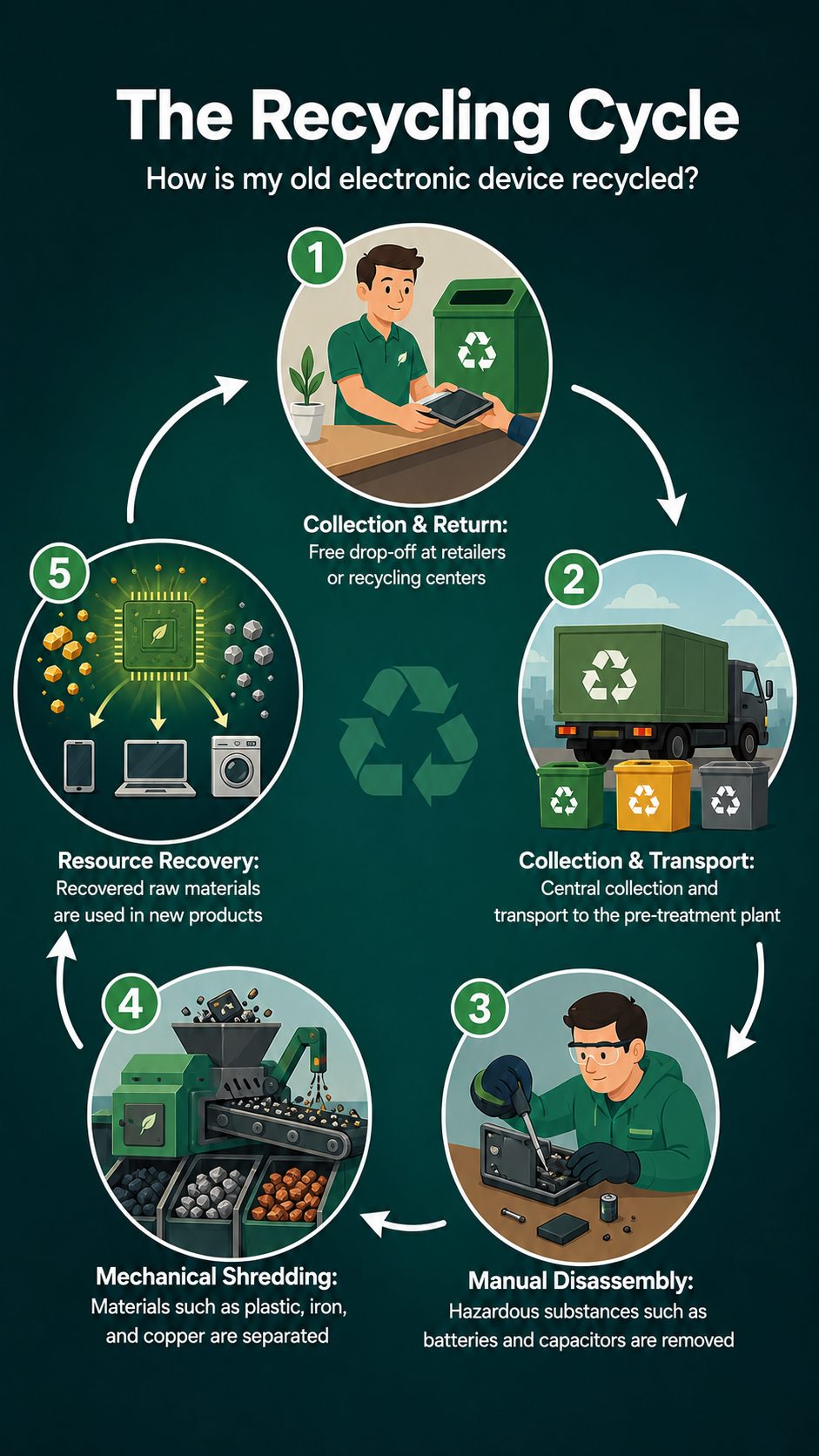
The Recycling Cycle: How Is my old electronic device recycled?
Do you know what happens to your old smartphone after you turn it in? There is much more work and
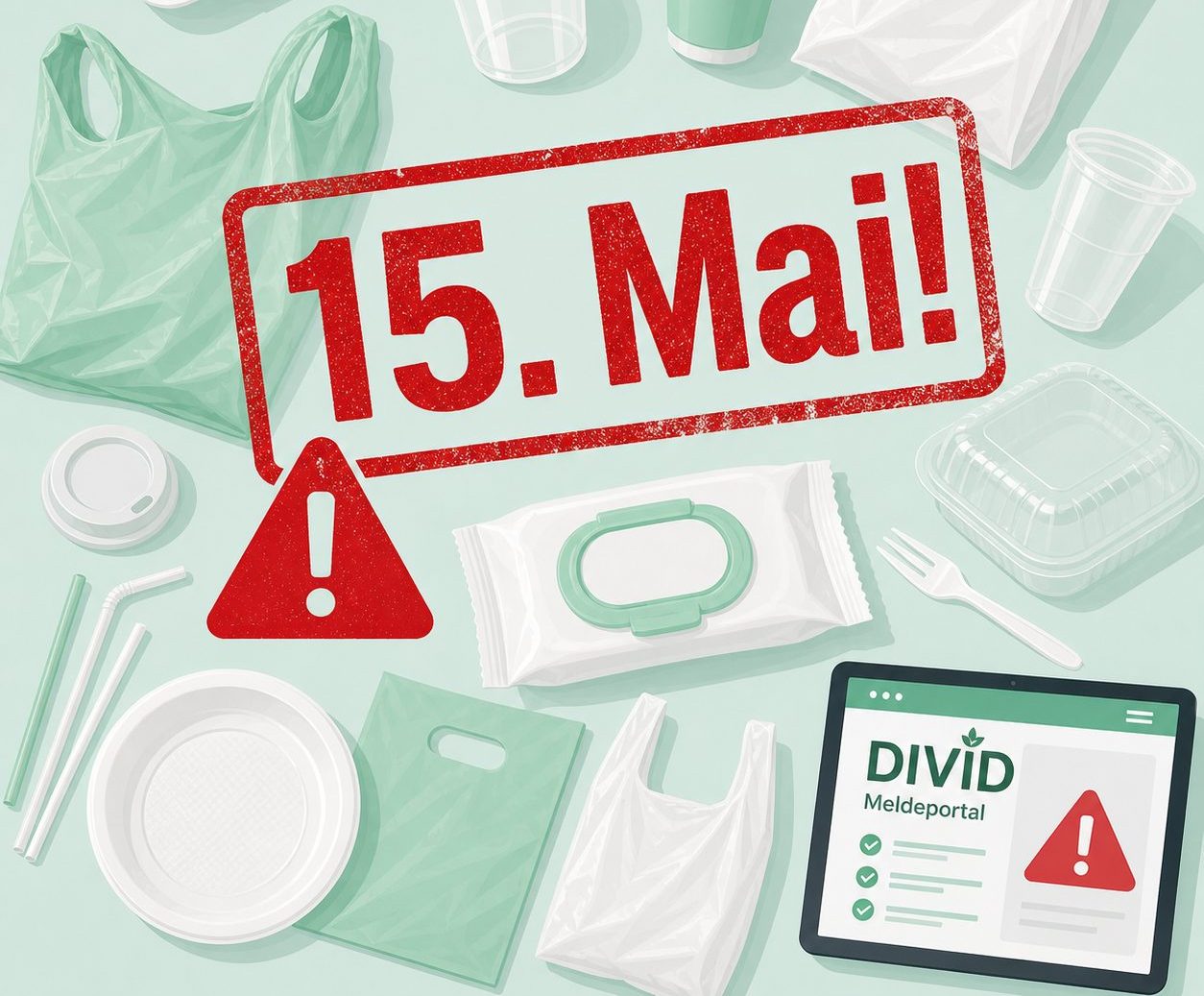
May 15: The deadline for reporting single-use plastics
Since the EWKFondsG came into effect, manufacturers have been required to report, by May 15 of each year, the single-use
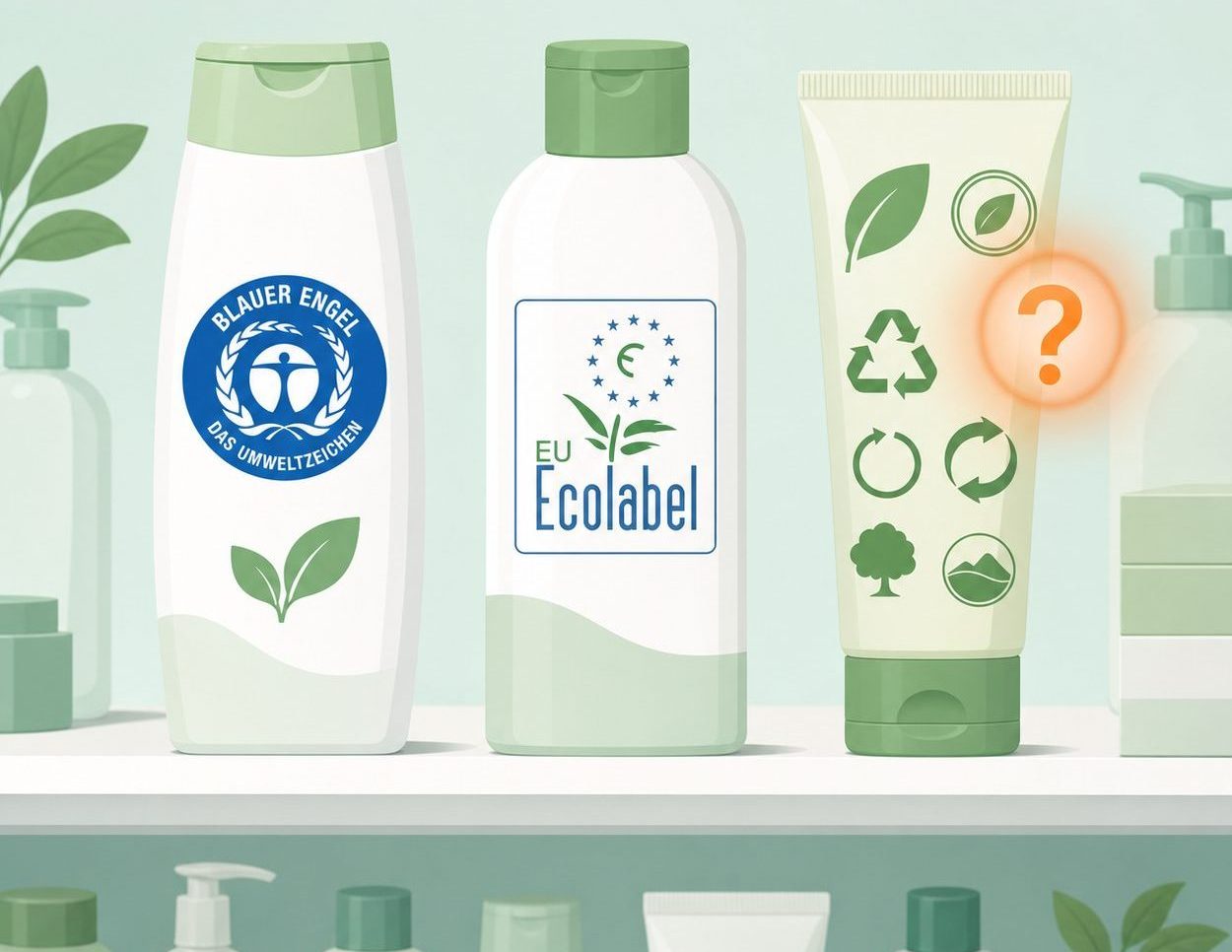
Blue Angel, EU Ecolabel, and the green confusion on our packaging
When you pick up a bottle of shower gel at the supermarket today, you’re often faced with a jumble of
Navigating the compliance jungle with ease – trusted by 20,000 companies
Since our founding, ECOPV-EU has successfully guided more than 20,000 companies through the complex world of EPR compliance.For electrical and
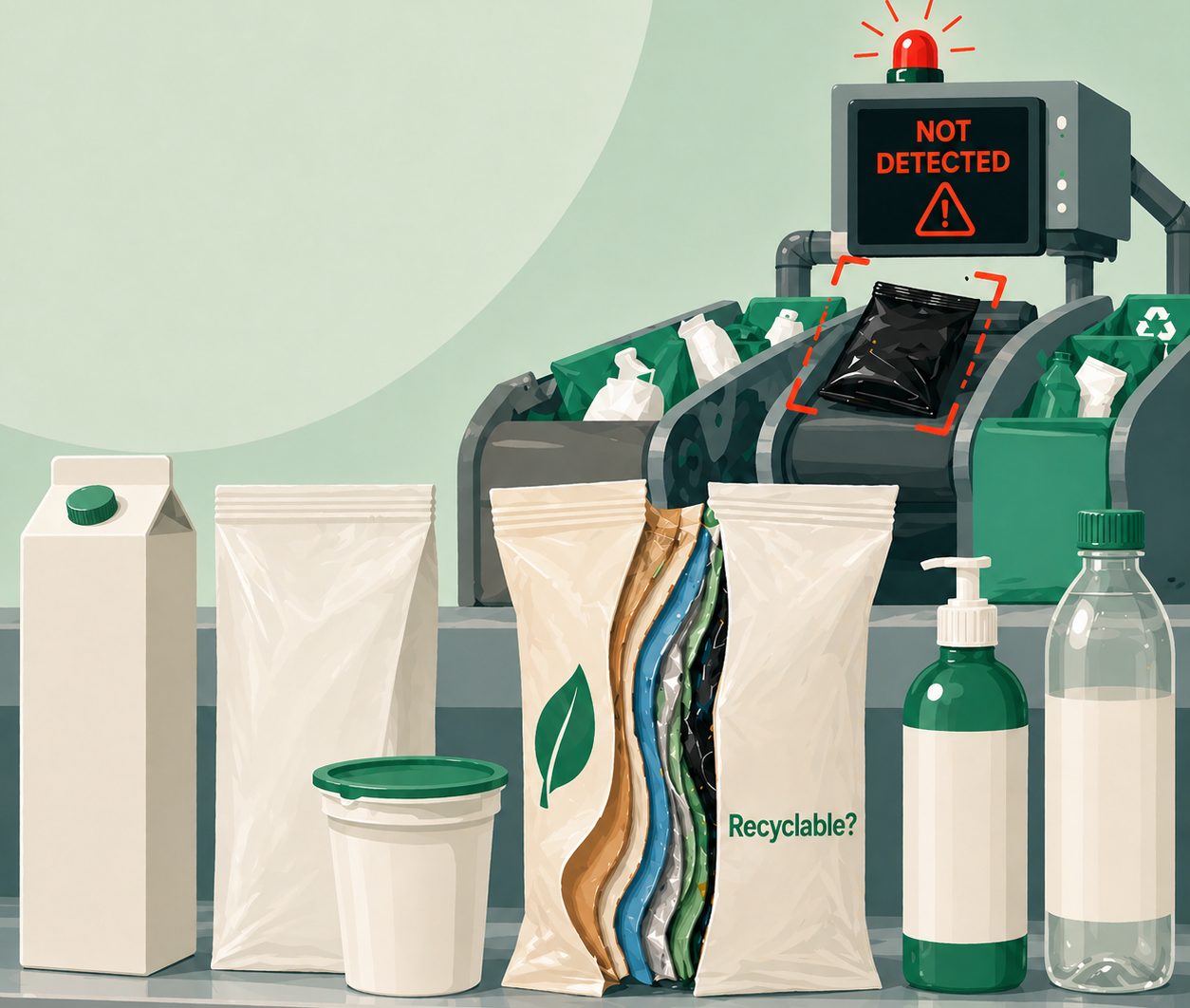
♻️ “100% recyclable” – A promise or just empty words?
They’re everywhere in the supermarket: green labels and claims like “sustainable” or “fully recyclable.” But theory and practice often diverge.
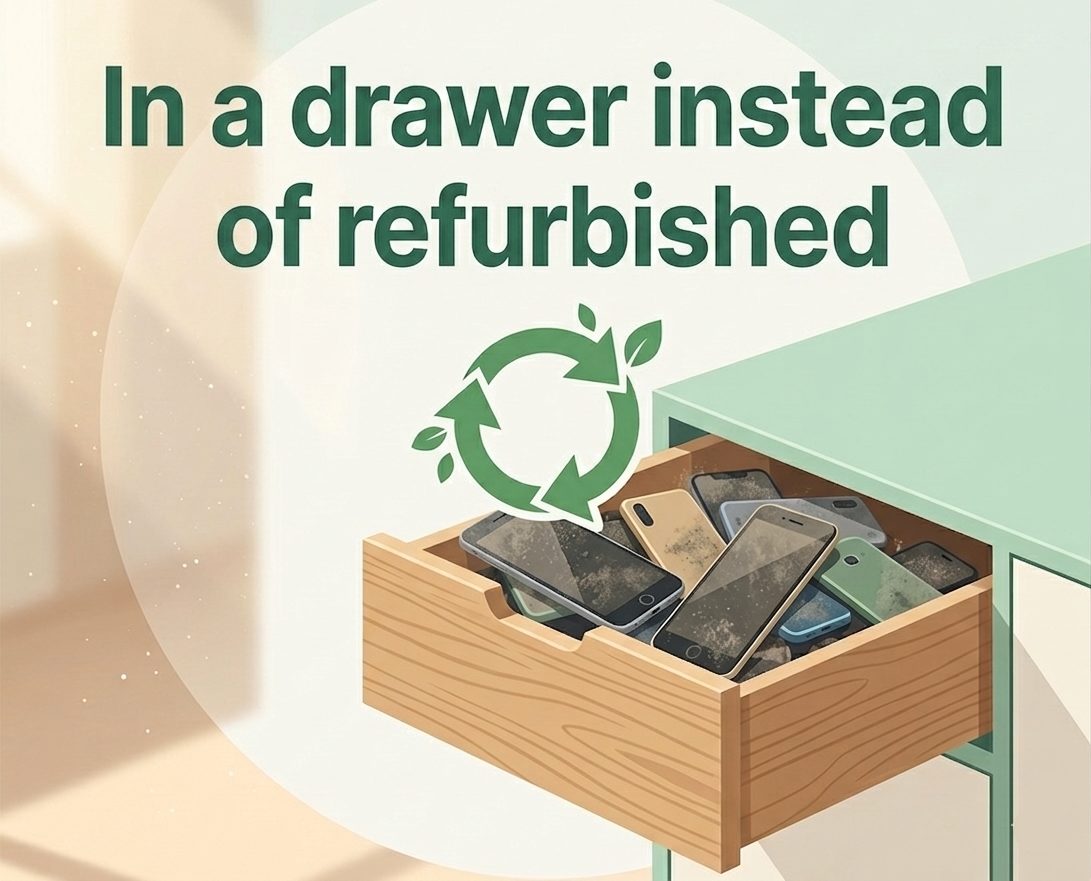
♻️ Refurbished – A second chance instead of electronic waste
Many people are familiar with this scenario: After buying a new phone, the old one ends up unused in a
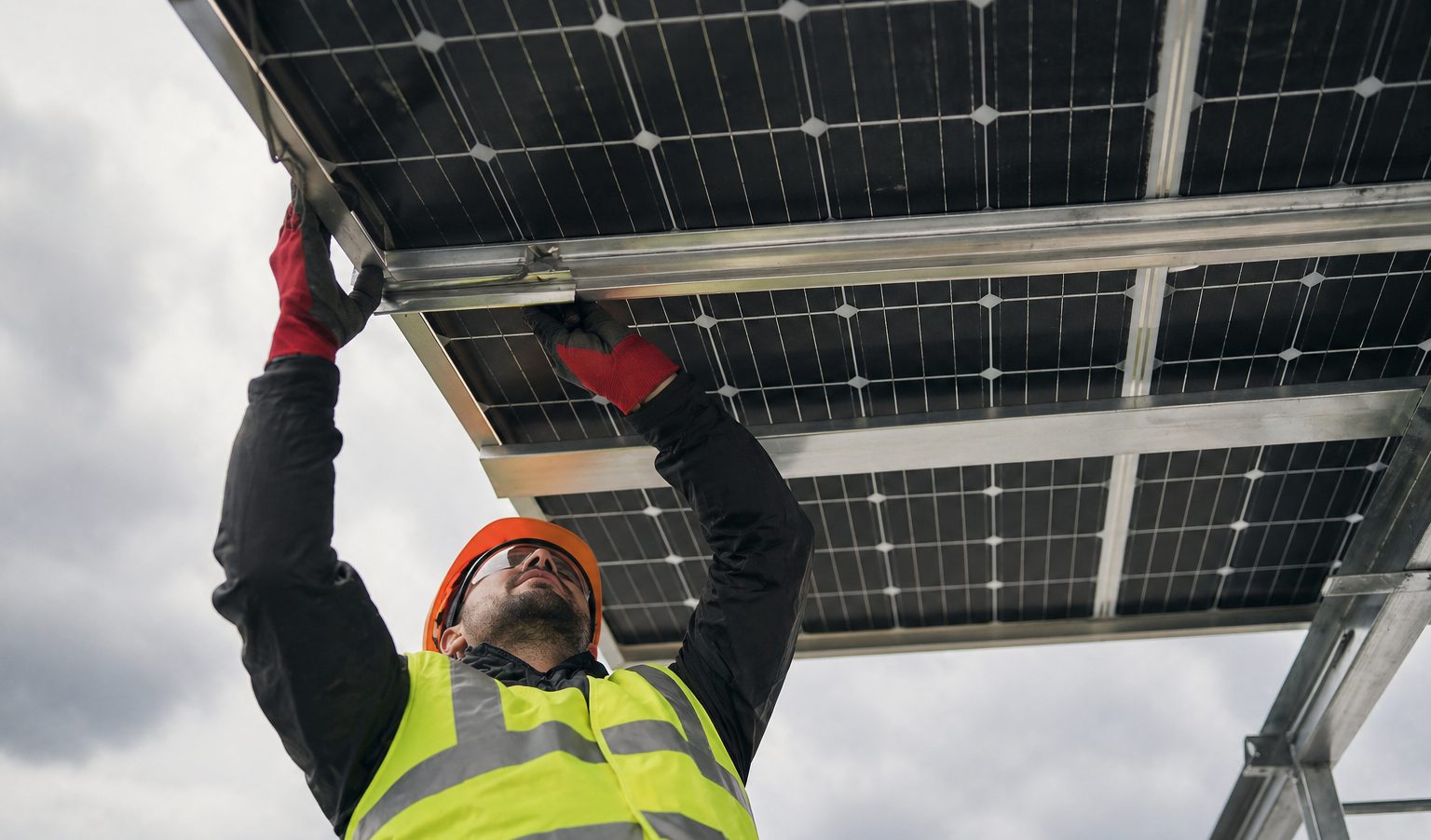
ZEREZ – What’s behind the requirement for solar power systems?
As of February 1, 2025, it is mandatory in Germany to provide the ZEREZ ID for the grid connection of

WEEE number: Required for the sale of electrical appliances in Germany
Anyone who manufactures electrical appliances in Germany, imports them into Germany, or offers them for sale here for the first

PPWR: What’s Changing in Fruit and Vegetable Packaging Starting in 2030
Starting August 12, 2026, the EU Packaging Regulation (PPWR) will become mandatory in all EU member states, thereby replacing existing

Cigarette Butts: The underestimated hazardous waste in our environment
Flicking cigarette butts onto the street is often still tolerated, even though a single butt – with its mix of

Who pays for cleanliness? The focus on Single-Use Plastics
Single-use plastic products end up as litter in our environment far too often and pollute the oceans. To combat littering,

Plastic-Free Straws: What the ban really achieves – and which alternative is gaining ground
Since July 3, 2021, single-use plastic straws may no longer be placed on the market in the EU. The directive

Earth Day 2026
Today is April 22. This date is more than just a mark on the calendar – it stands worldwide for
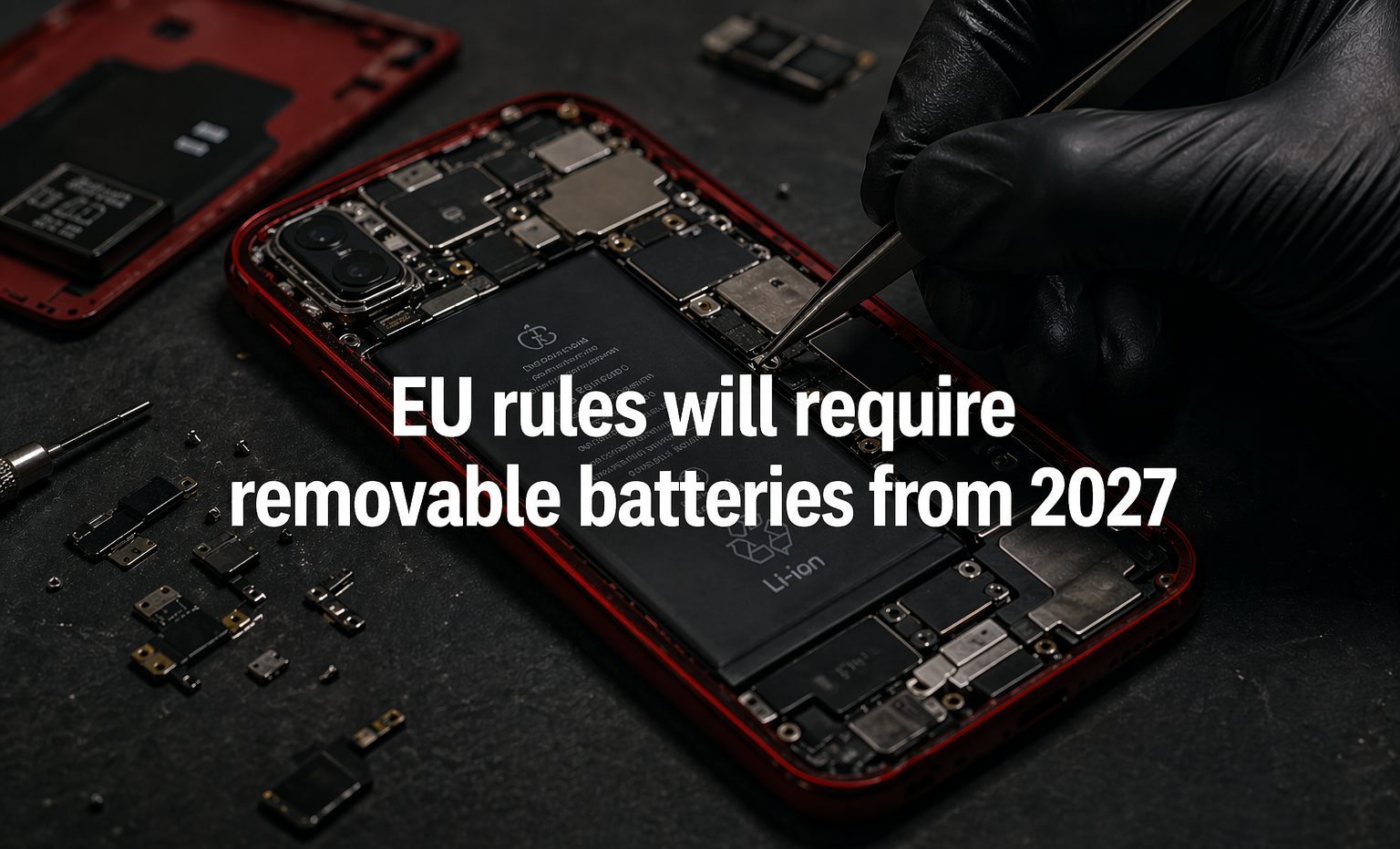
Removable batteries in smartphones will be mandatory starting in 2027
Starting in 2027, there will be a noticeable change for smartphones in the EU: The removable battery is making a
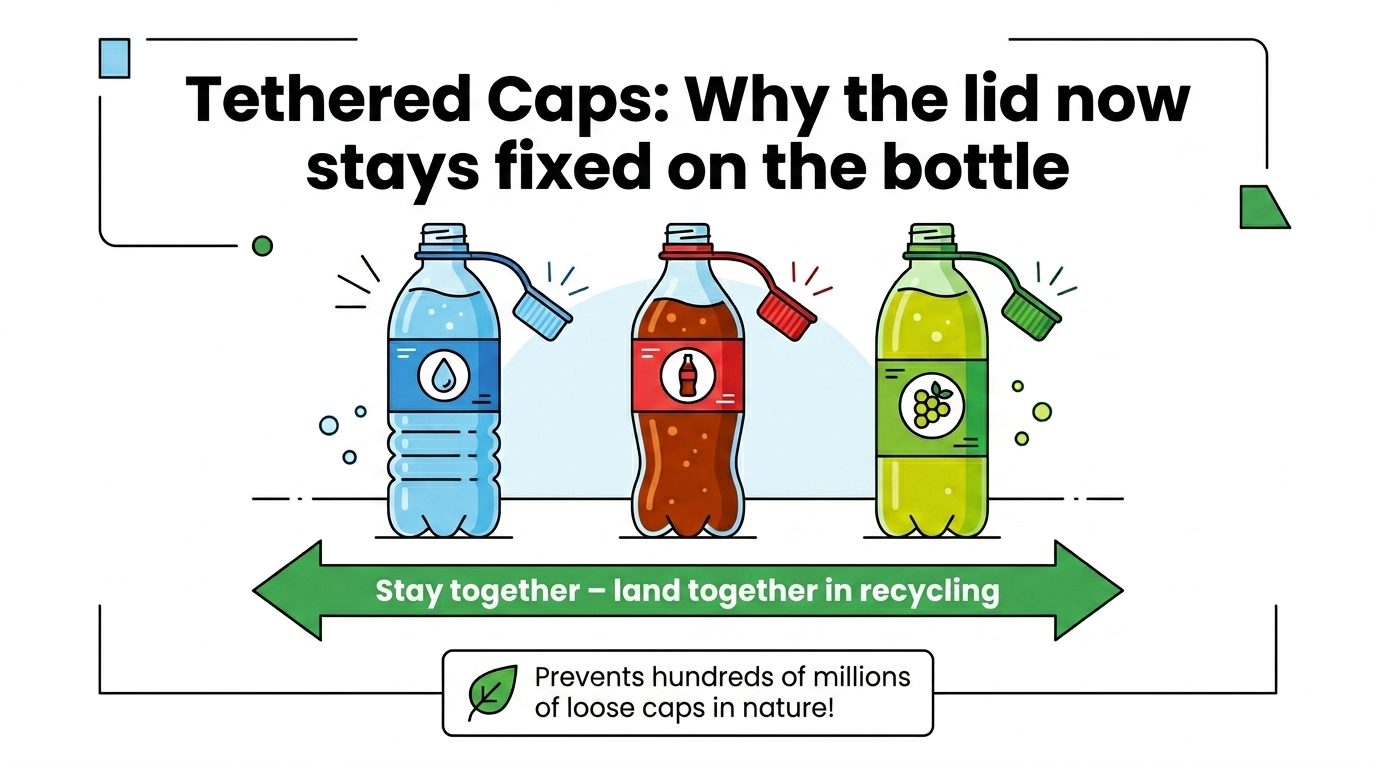
Tethered Caps: Why the lid now stays attached to the bottle ♻️
Have you ever gotten frustrated by a cap that’s stuck to the bottle when you’re trying to drink? Since July

Disposable vapes: Fires in trash cans and recycling centers
The use of disposable e-cigarettes is booming – and with it, a massive safety risk. Because the built-in lithium-ion batteries
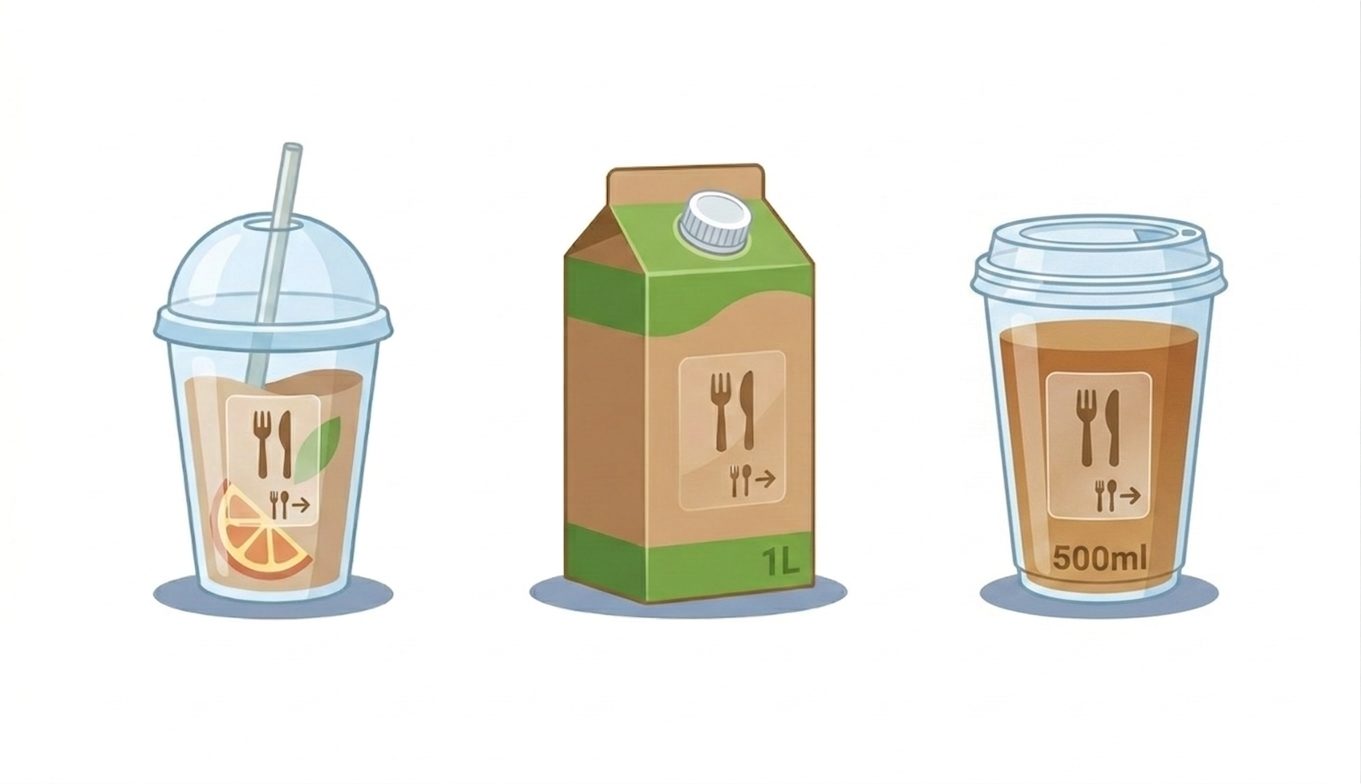
To-go cup tax: The cost of disposable cups is rising – who pays what?
According to DUH (Environmental Action Germany), Germany consumed approximately 36 billion single-use packaging items in 2022 (8 billion cups, 28
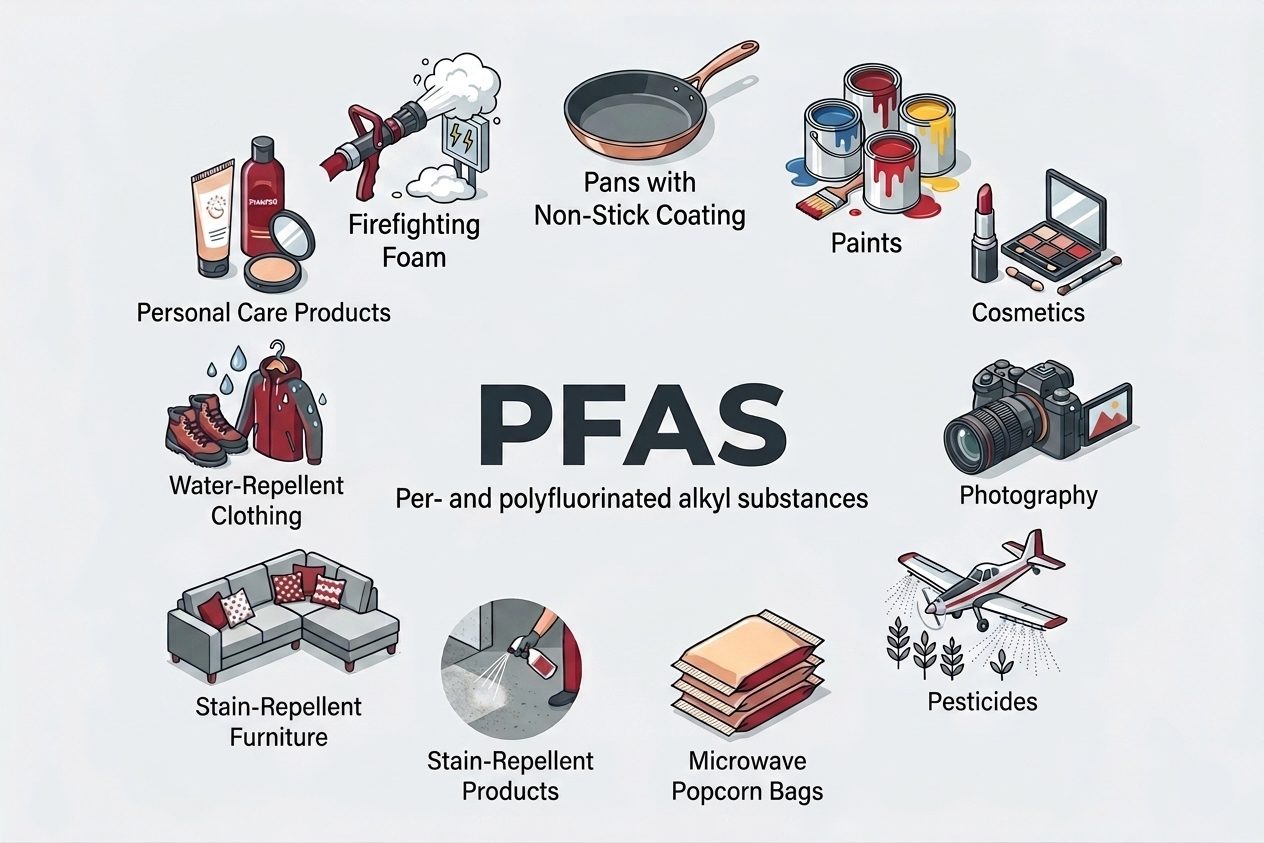
PFAS: Why these “forever chemicals” are now being regulated
PFAS are a large group of artificially produced chemicals. Experts often refer to them as “forever chemicals.” The reason for

What exactly is the insolvency-proof guarantee?
Anyone selling electrical appliances in Germany must comply with important legal regulations. A key requirement is the insolvency-proof guarantee. Many

ElektroG Compliance: What matters when it comes to small appliances
Did you know that a flashing greeting card is legally classified as an electrical device? The reason is the “open
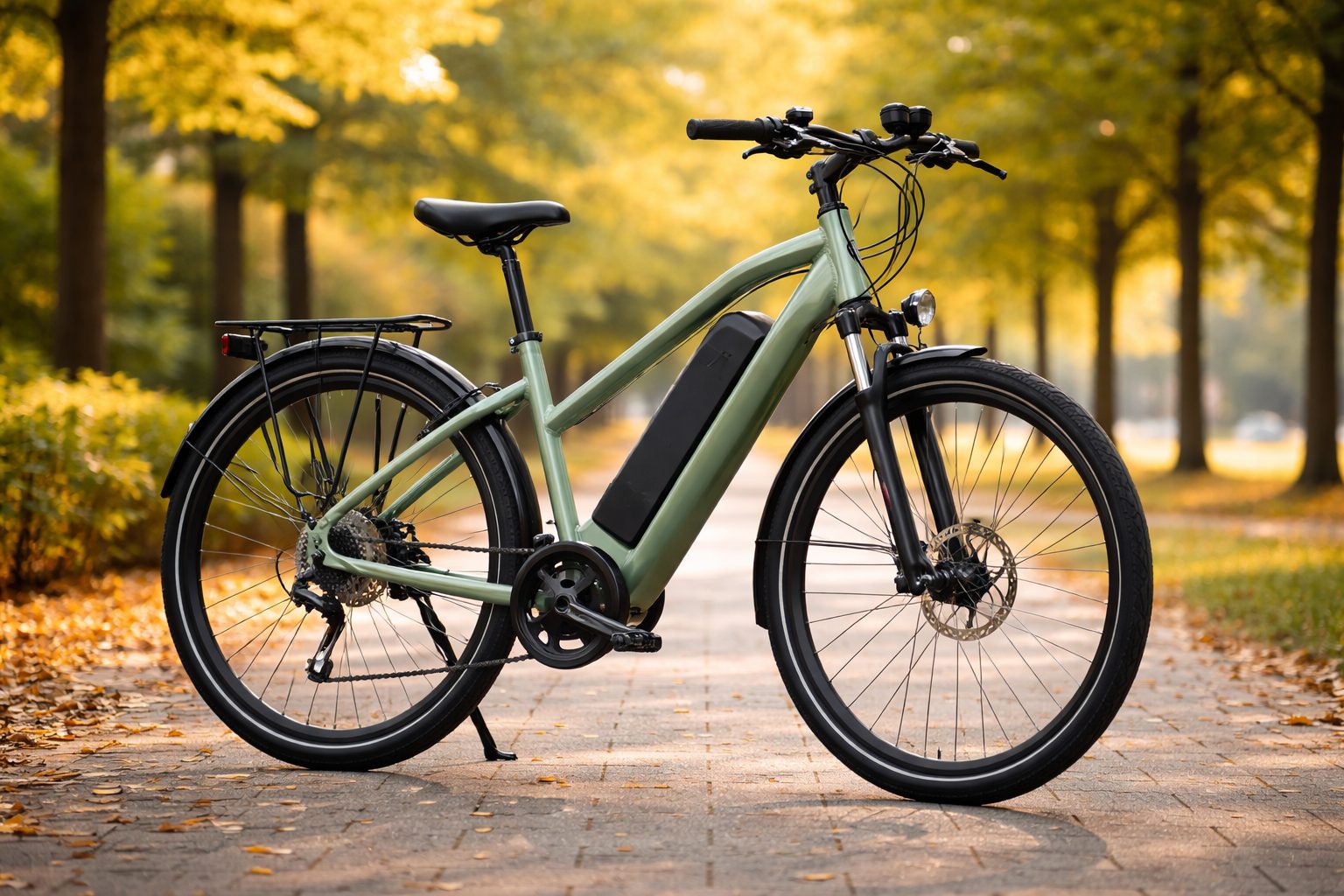
🔋 E-bike Batteries: Boom, Fire Hazard & Disposal
The numbers speak for themselves: 15.7 million e-bikes were on German roads in 2024 – a massive increase compared to
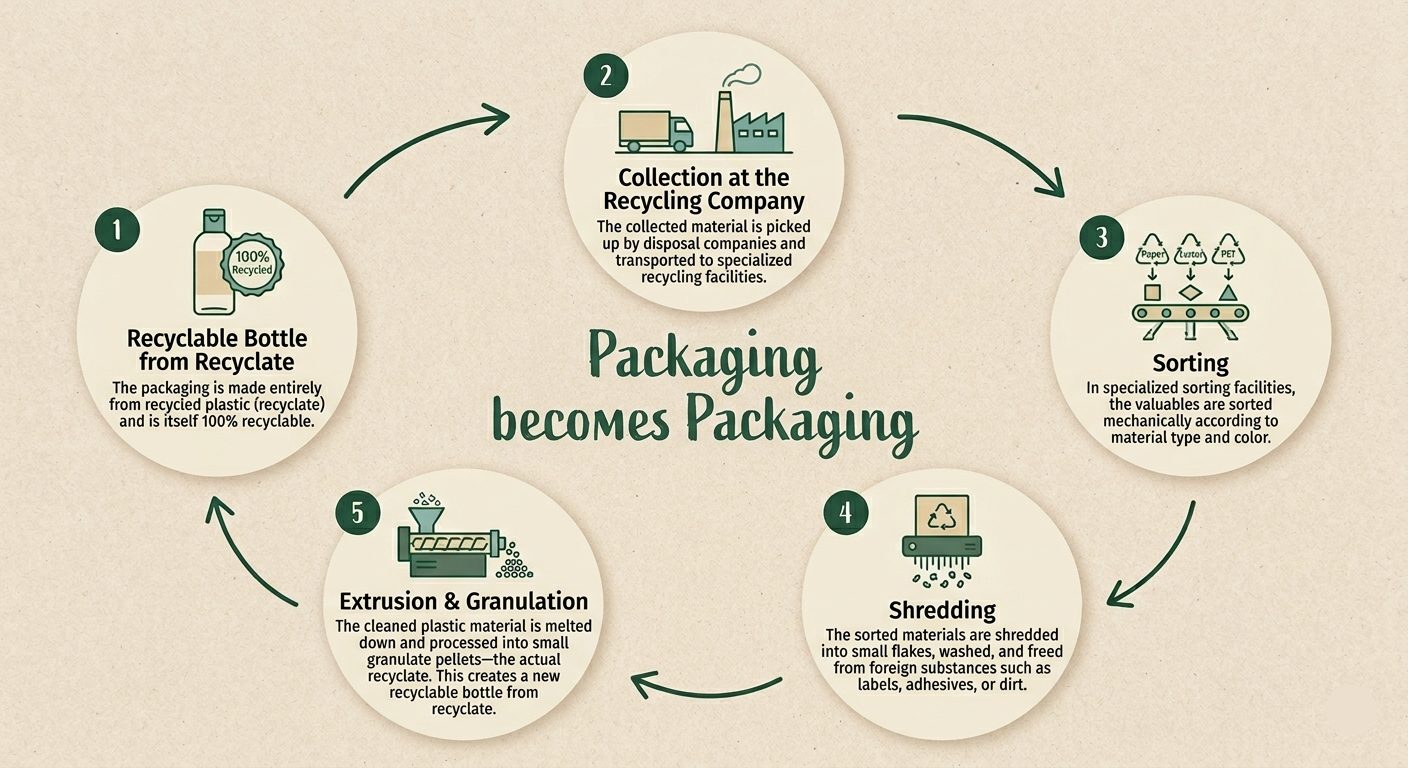
Recyclates Explained: From Plastic Waste to Valuable Raw Material
Recycled materials are more than just “recycled plastic.”They are a key raw material for the circular economy and help us

Which category does my device fall into?
Anyone who places electrical or electronic equipment on the market in Germany is required by the ElektroG to register with

EPR Representative Authorization: Rules for Packaging, Equipment, and Batteries
Anyone selling products in Europe will quickly come across the term EPR (Extended Producer Responsibility). However, one key point is
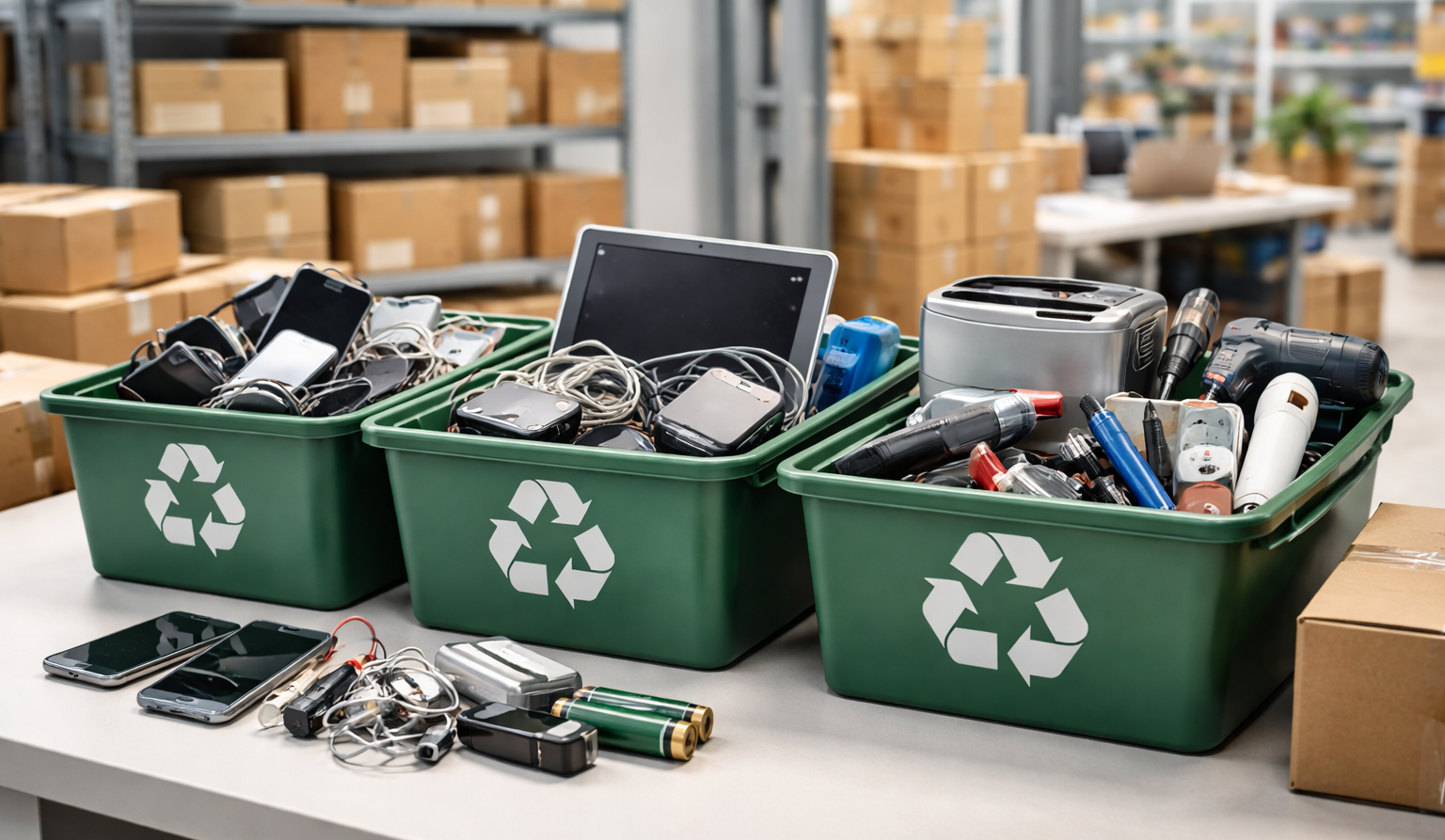
Take-back obligations for waste electrical and electronic equipment under the ElektroG4
The Electrical and Electronic Equipment Act (ElektroG) regulates the environmentally sound disposal of electrical and electronic equipment. Since the ElektroG4
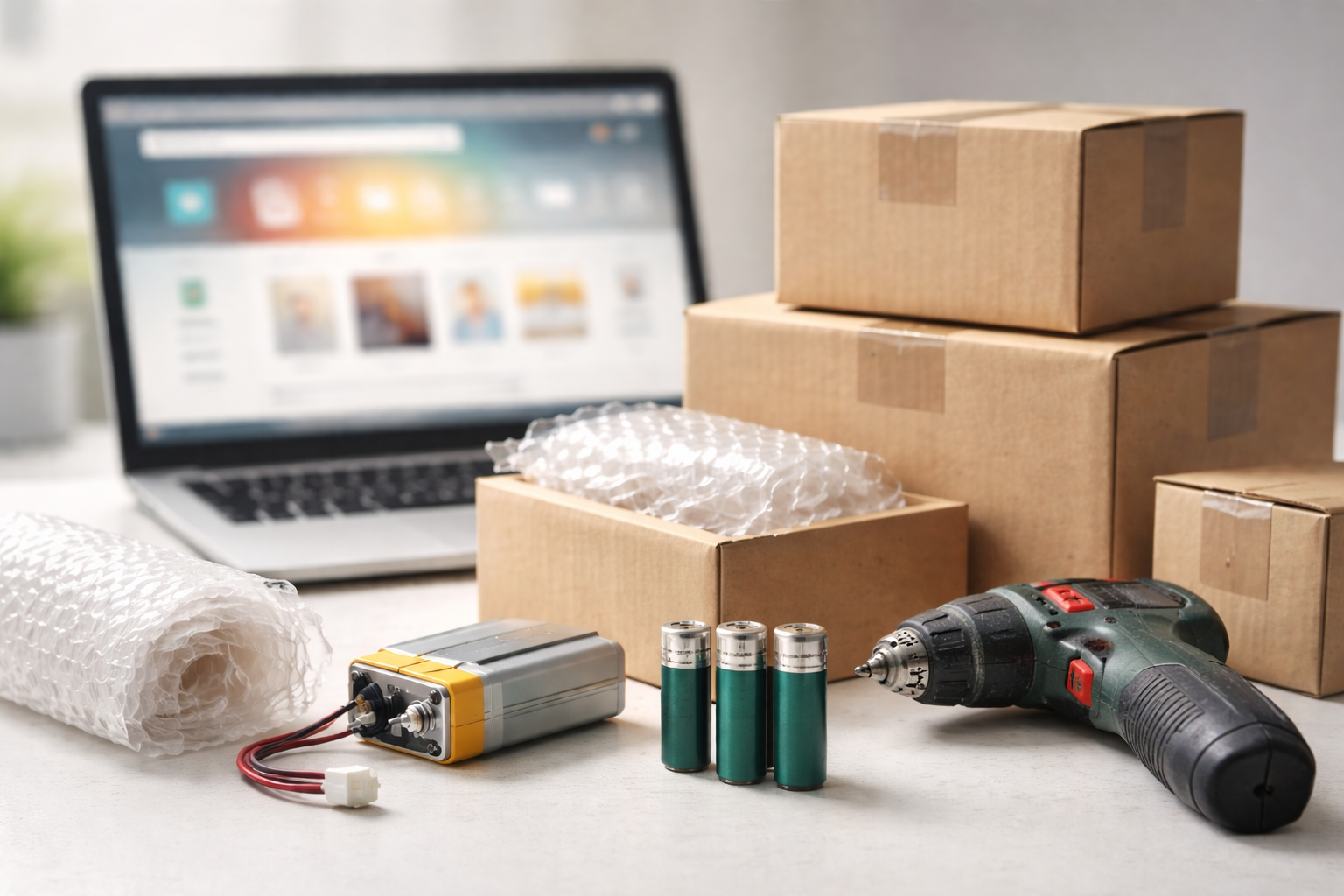
EPR 2026: The Compliance Check for E-Commerce / Online Retail
Extended Producer Responsibility (EPR) holds companies accountable: Anyone who places products on the market is responsible for their entire lifecycle
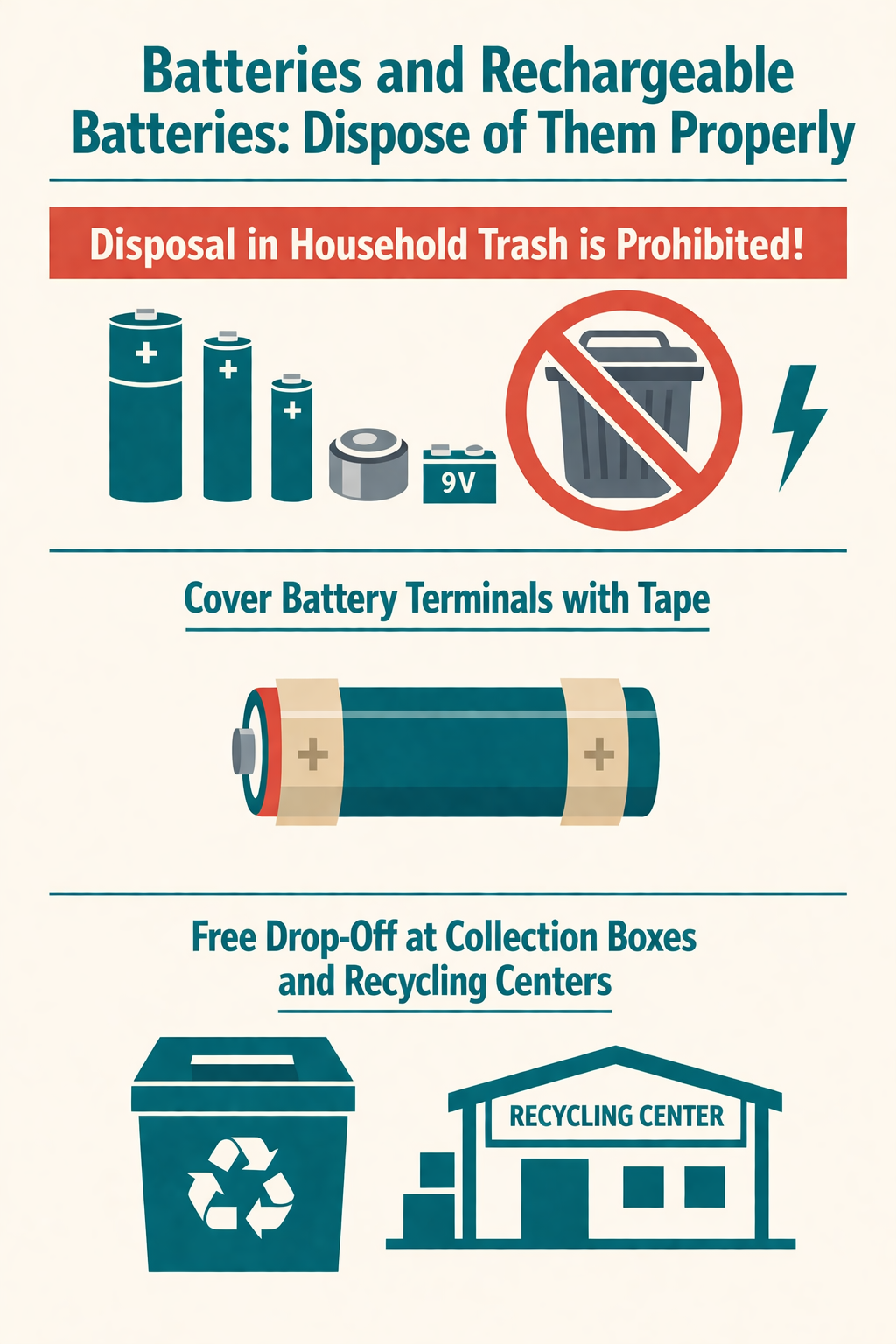
🔋 Dispose of batteries properly!
Whether they’re empty button cells, rechargeable batteries from digital cameras, or batteries from remote controls: once they’re used up, the

OfH Check 2026: Roles and Responsibilities of Manufacturers, Retailers, and OfH!
The new Battery Act Implementation Act (BattDG) has been in effect in Germany since October 7, 2025. It transposes the

EUNR is launching! A new network of European packaging registers
Brand new and officially launched: 16 EU member states have joined forces in the European National Registers Network (EUNR) to

🔆 PV Modules Under the ElektroG4 – Key Questions and Answers for Manufacturers and Dealers
With the ElektroG4, which took effect on January 1, 2026, new and stricter obligations apply to manufacturers and retailers. Here
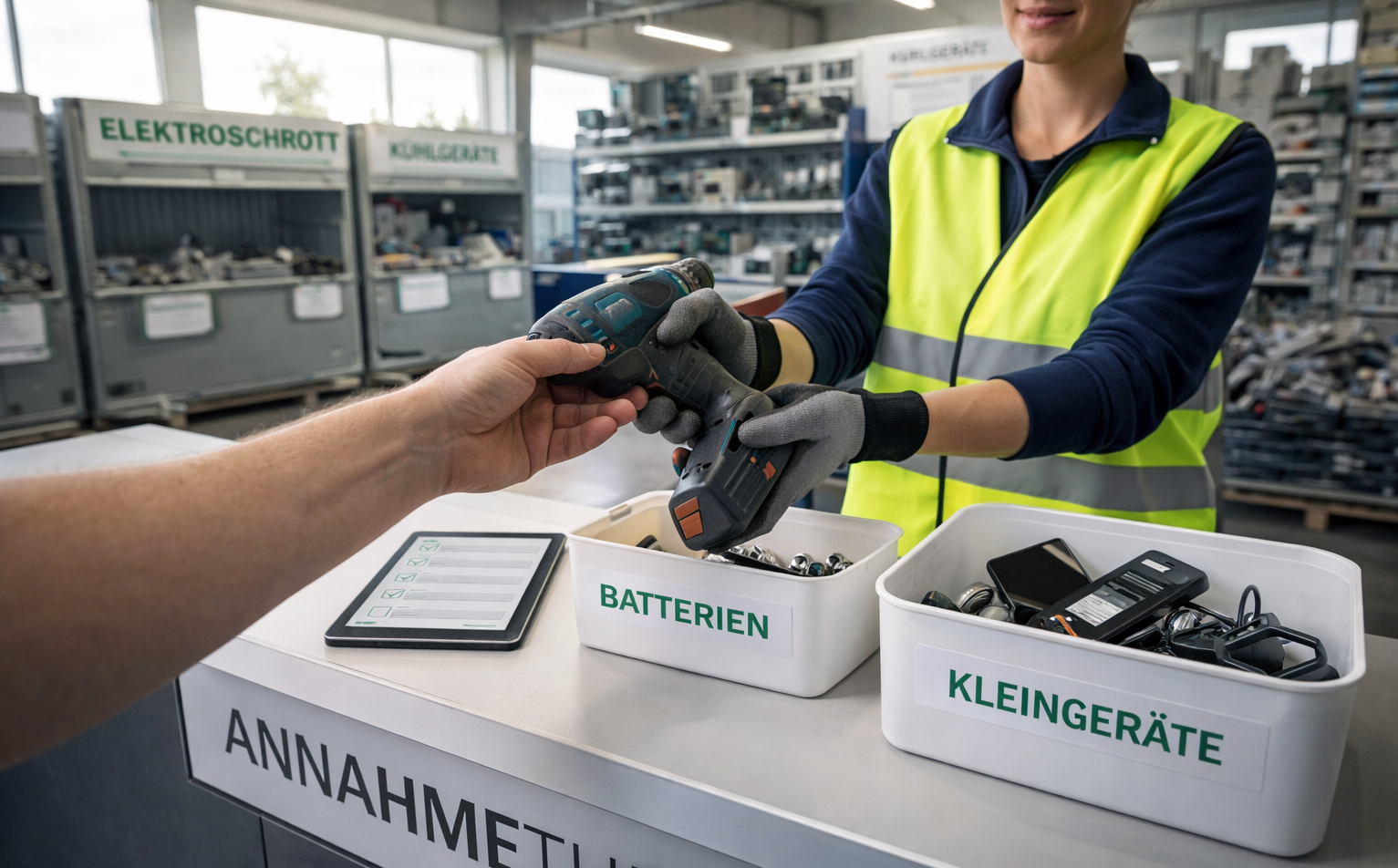
🔋New as of January 1: Why the counter model makes waste disposal safer now
As of January 1, 2026, a significant change has taken effect at all municipal recycling centers and collection points in
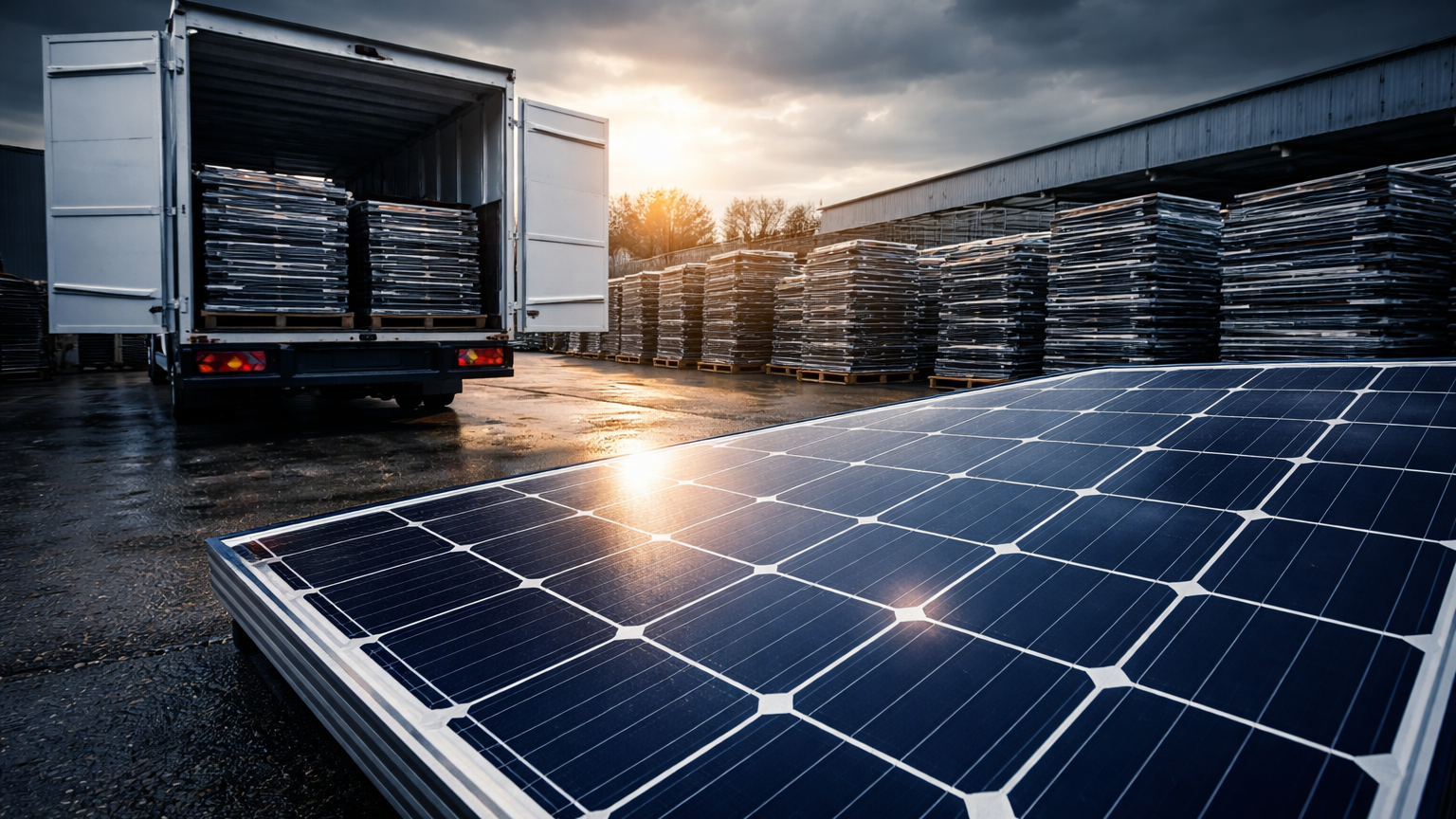
Solar Panels: What Manufacturers Need to Know About the 72-Hour Window
Since October 2015, PV modules have been subject to the WEEE Directive. The biggest challenge here is the tight timeframe
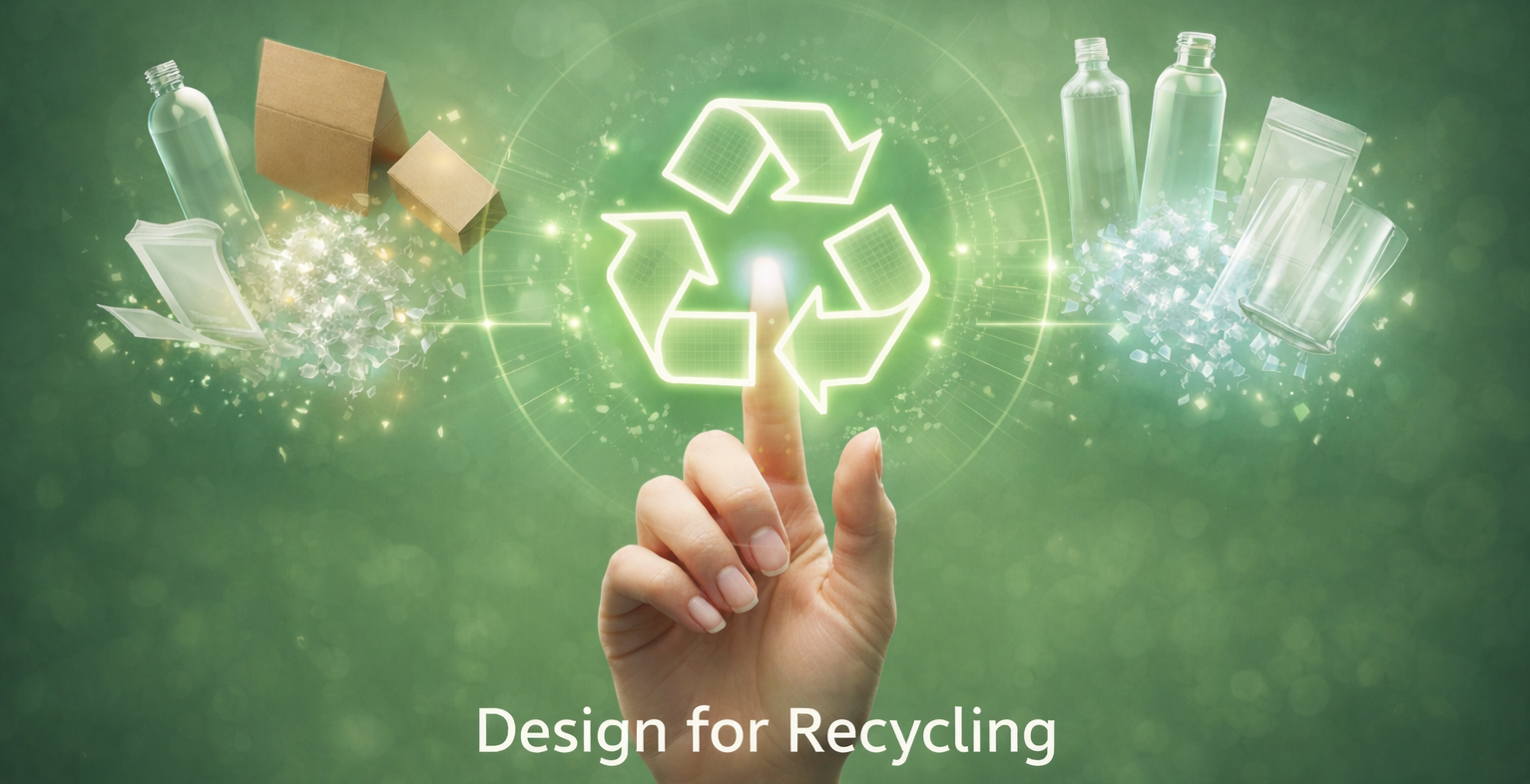
Design for Recycling: A package’s fate is determined at the moment of its creation ♻️
Multi-layer composite films that cannot be separated. Labels that contaminate plastic. Black packaging that sorting systems cannot detect. All of

🔋The 5 battery categories under the BattDG
The regulatory landscape for batteries has undergone a fundamental transformation. The old Battery Act (BattG) of 2009, which distinguished between

No more “empty air”: PPWR puts an end to wasted space!
We’ve all been there: you order a small charging cable and end up with a box the size of a

♻️ Global Recycling Day: What’s it all about?
Last week was Global Recycling Day – but what exactly are we celebrating? World Recycling Day is an annual international

Single-use plastics: Germany tightens regulations – what matters in 2026 🌍
Plastic is everywhere. In every supermarket, at every coffee stand, in every bag. And that’s exactly the problem. The extent:

WEEE Check: An Overview of the 6 Categories
WEEE categories determine your obligations—and whether your registration with the ear Foundation is truly legally compliant. Under the “Open Scope”

PPWR & VerpackDG
Compliance has long been mandatory – it determines market access. While many are still grappling with Germany’s Packaging Act (VerpackG),

☀️ Solar Panels: What You Need to Know
The solar industry is the backbone of the energy transition. However, from a regulatory standpoint, manufacturers and importers of photovoltaic
PPWR: Why B2B Companies Need to Act Now
For a long time, packaging regulations primarily applied to the consumer market (B2C). Industrial and transport packaging were subject to

What exactly is the OfH?
The new Battery Act Implementation Act (BattDG), which has been in effect since October 7, 2025, has fundamentally redefined the
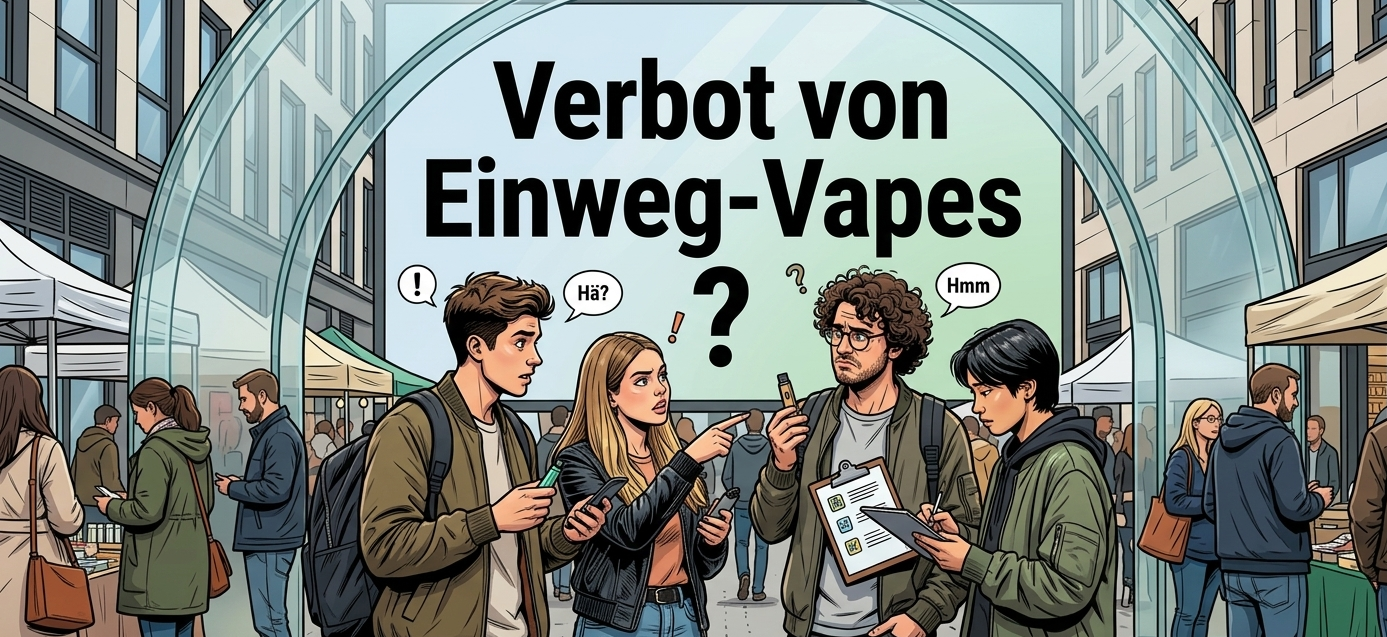
Retailers, take note: First a take-back obligation, then a sales ban on vapes?
The year 2026 marks a turning point for disposable e-cigarettes. Anyone still selling vapes today needs to prepare for three
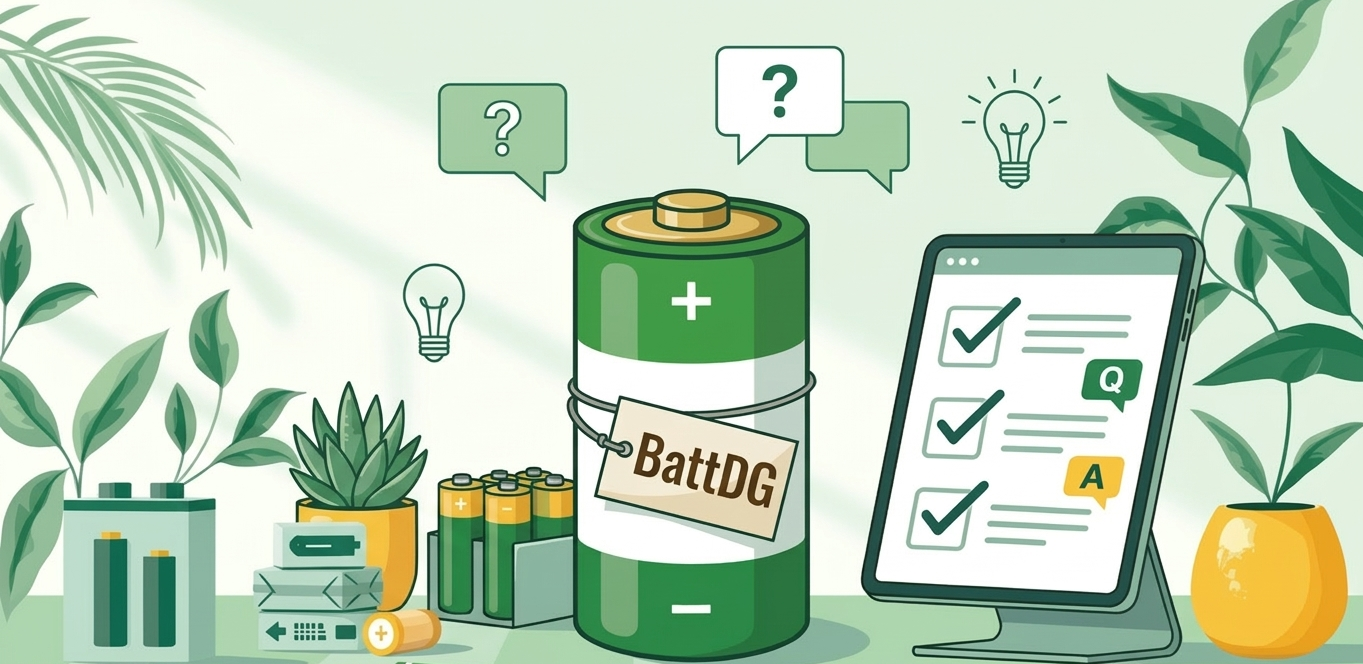
🔋Quick FAQ: From the German BattG to the new BattDG & the Battery Passport!
The new EU Battery Regulation and the German Battery Implementation Act (BattDG) have significantly tightened the rules governing the placing
🔋 The New Battery Law of 2026: What Businesses Need to Know Now
The battery market is changing rapidly—and so are the legal regulations. Anyone selling batteries, rechargeable batteries, or devices with built-in
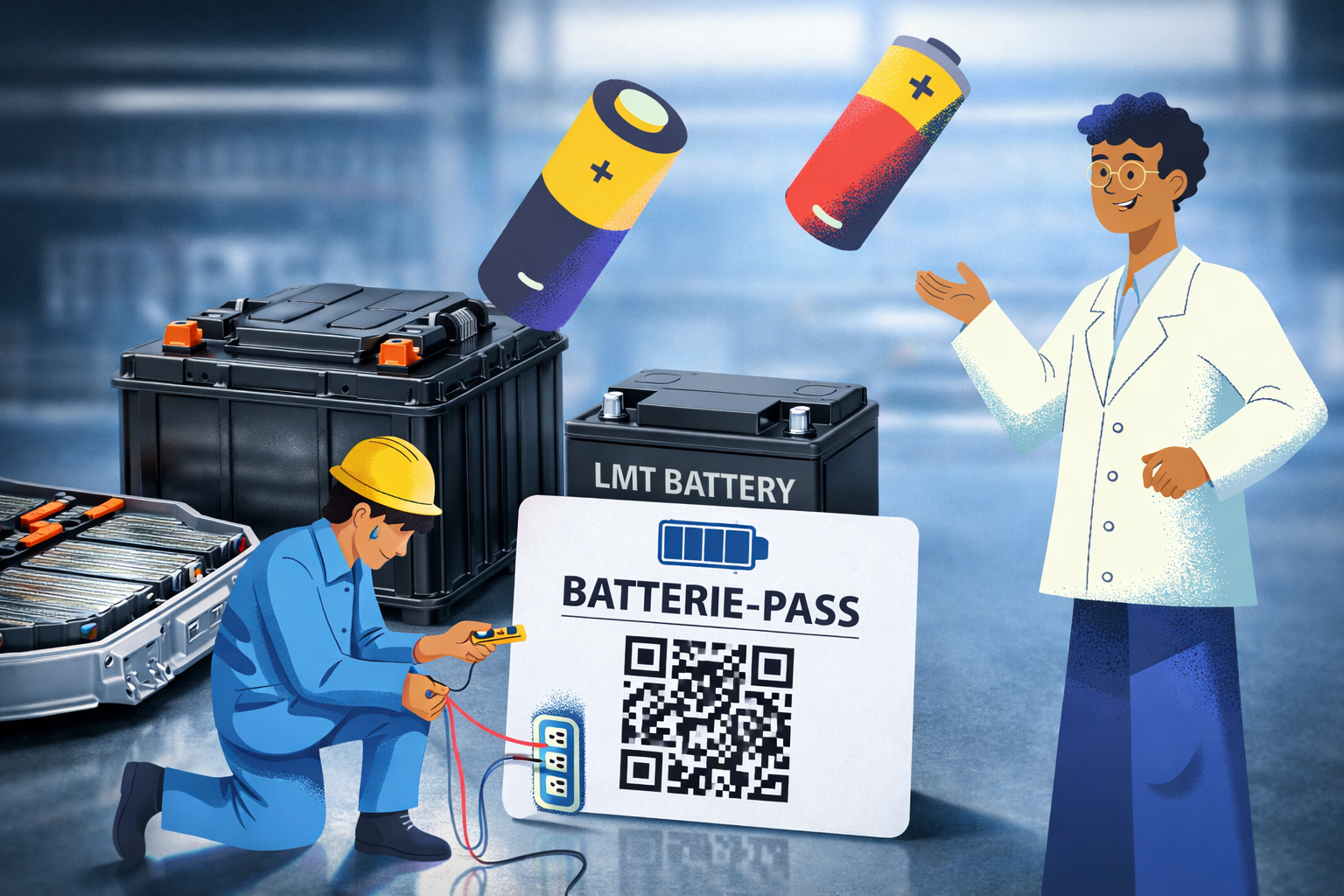
The digital battery passport is coming!
Starting in February 2027, the EU Battery Passport will become mandatory! It is much more than just a label.
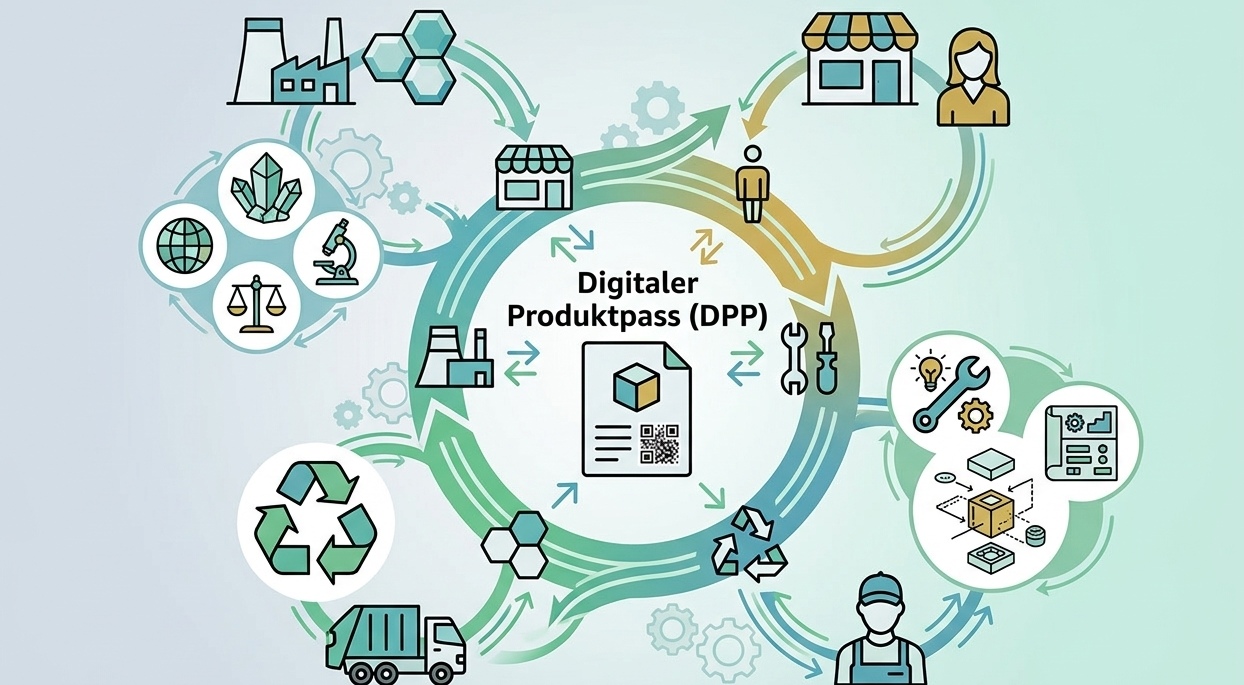
The Digital Product Passport (DPP): The most important facts at a glance
Imagine scanning a QR code on your new washing machine and immediately finding out: Where did the steel used in
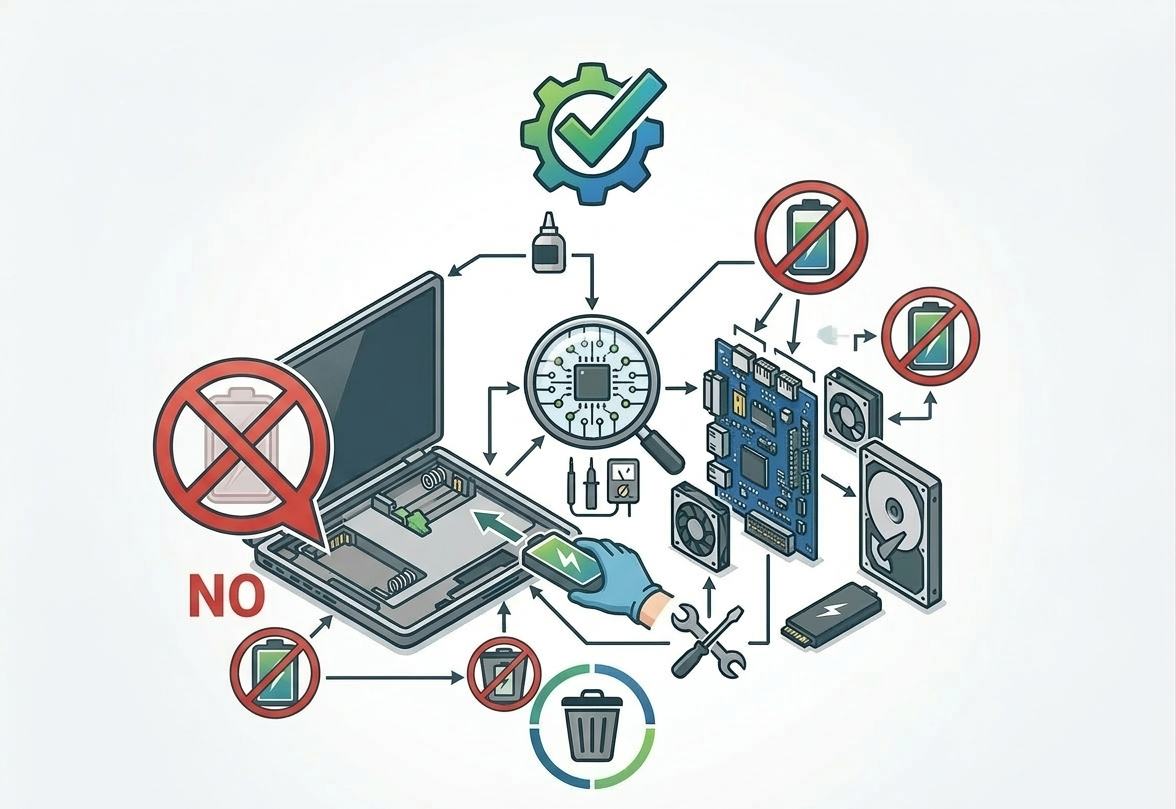
The end of non-removable batteries!
The end of permanently installed batteries! The era of permanently bonded batteries is coming to an end. The requirement
EPR compliance from a single source: your full-service partner ECOPV-EU
EPR compliance is becoming increasingly complex—we make it simple. Whether it’s ElektroG, BattDG, or PPWR: ECOPV-EU has been your expert
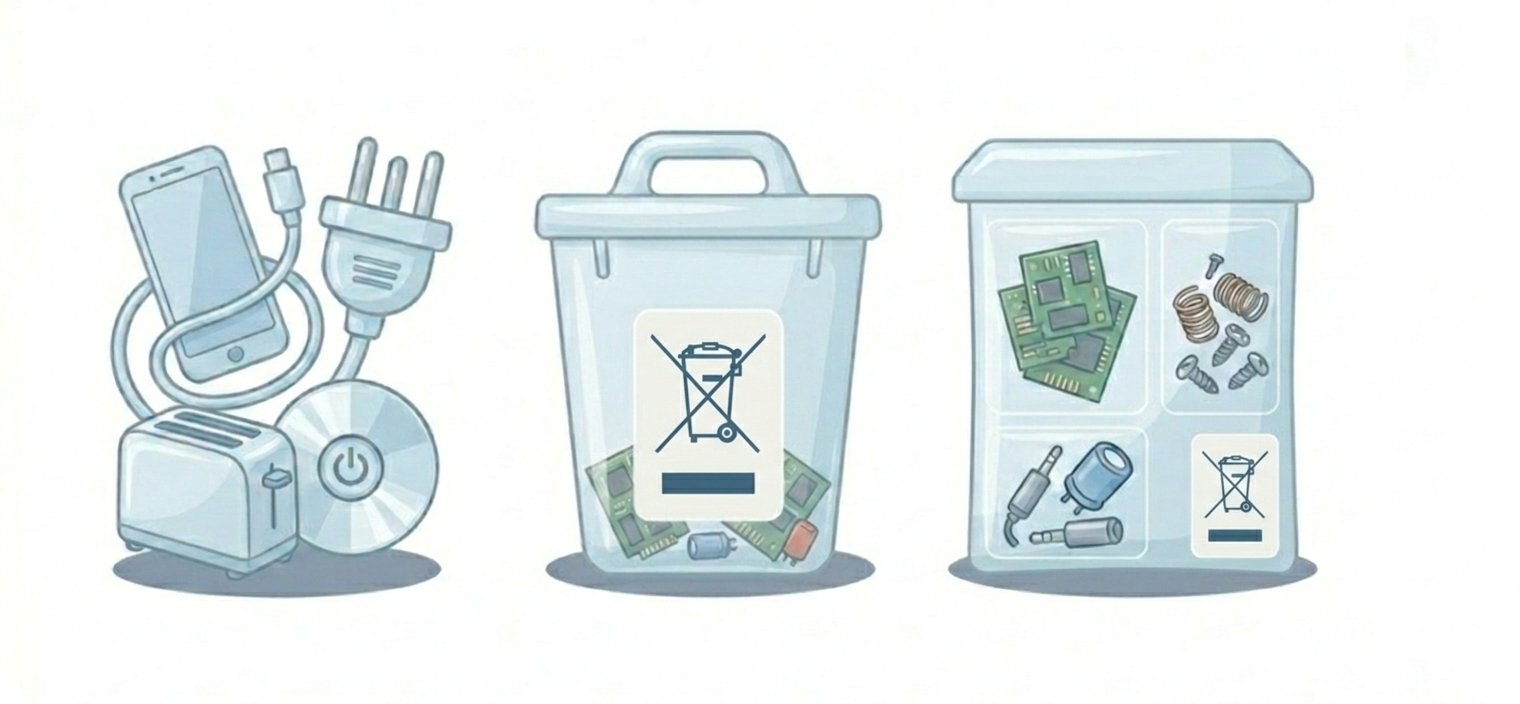
Quick FAQ: Latest news on the ElektroG & ElektroG4
The Electrical and Electronic Equipment Act is being tightened. With ElektroG4, new obligations will be imposed on manufacturers, online shops,
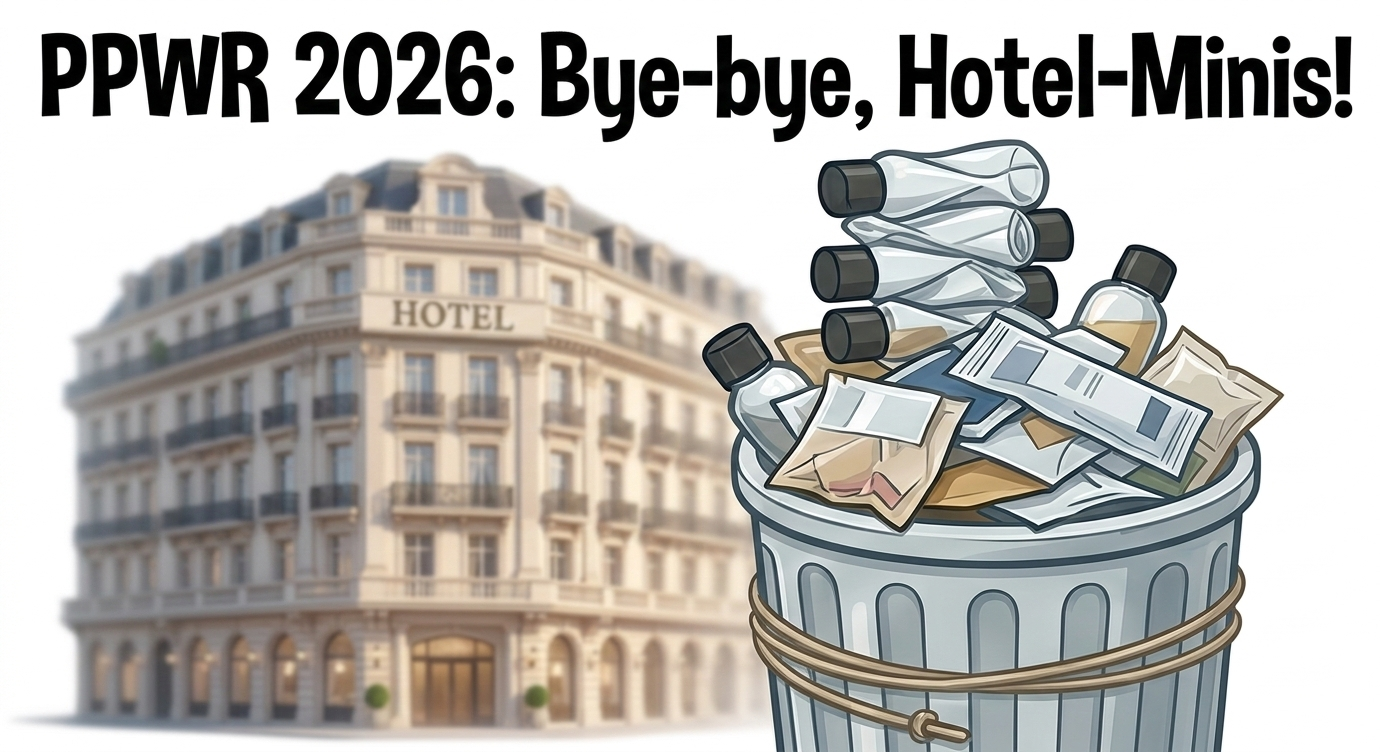
Bye-bye, mini shampoo: The end of an era in hotel bathrooms!
Who hasn’t packed the little bottles of shower gel from the hotel bathroom as a souvenir? That will soon be

ElektroG4 compact: The update for 2026
The ElektroG (Electrical and Electronic Equipment Act) has regulated the disposal of technical waste since 2005. The new ElektroG4 amendment,
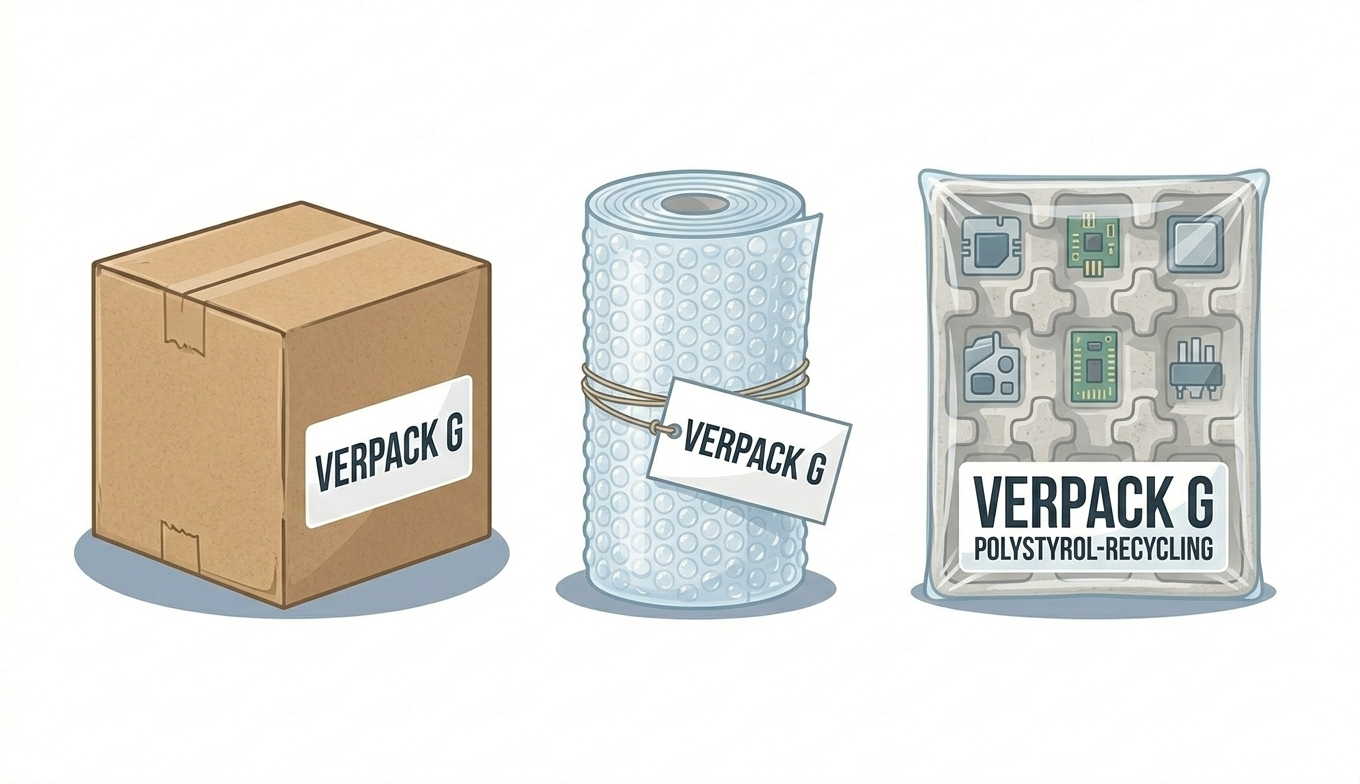
Quick FAQ: Packaging Act & PPWR
The transition from the German Packaging Act (VerpackG) to the new EU Packaging Regulation (PPWR) will bring far-reaching changes for

Quick FAQ: Single-Use Plastics Fund Act (EWKFondsG): Everything you need to know right now!
The regulatory requirements for manufacturers and distributors of single-use plastic products reached a new level in 2026. After years of
New EU recycling logos: What manufacturers can expect with the PPWR
The EU Commission is getting serious about harmonizing waste separation.The Joint Research Center (JRC) recently published the technical draft for
PPWR 2030: The roadmap to a circular economy – New standards for packaging compliance
The EU Packaging Regulation (PPWR) officially came into force on February 12, 2025. While 2026 marks the administrative starting point,
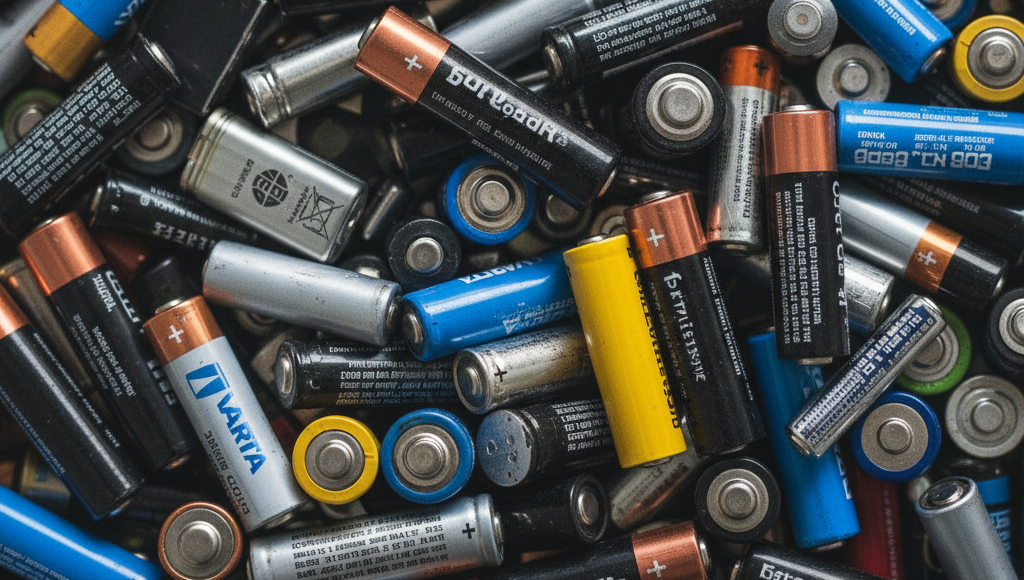
Free collection of used batteries by ECOPV-EU GmbH
ECOPV GmbH is your authorized organization for producer responsibility (OfH) for waste portable batteries in accordance with Section 8 of
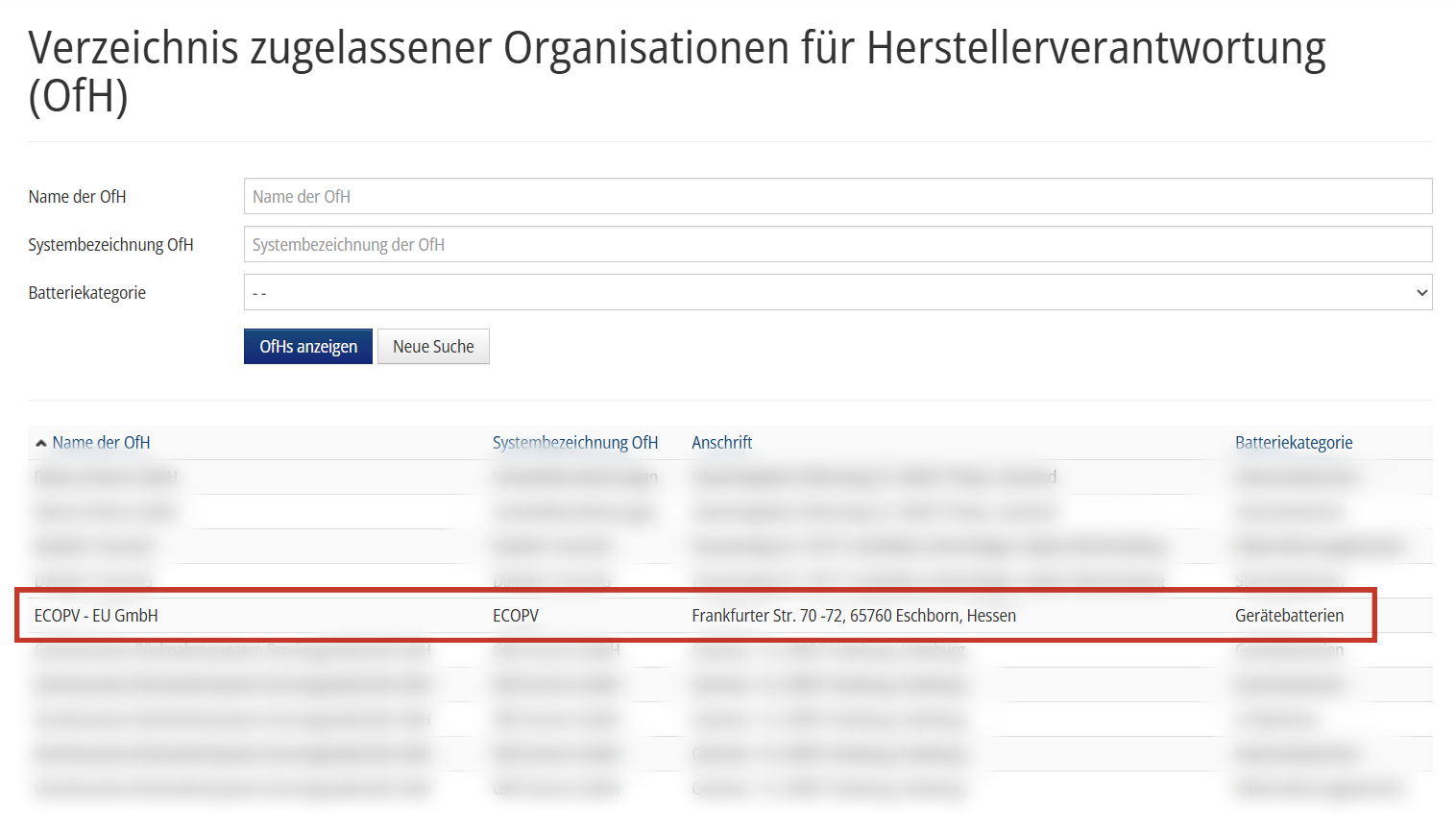
ECOPV-EU: Officially recognized by the EAR Foundation as an organization for producer responsibility (OfH)
Officially confirmed: ECOPV-EU GmbH is now listed as a producer responsibility organization (PRO) in the official directory of the EAR

How the Battery Act (BattG) Impacts E-Commerce Sellers and Online Marketplaces
The German Battery Act (BattG) imposes strict environmental responsibilities on businesses placing batteries or battery-containing products on the German market.
What Is the German Battery Act (BattG)? A Complete for Manufacturers and Importers
The German Battery Act (BattG): Compliance Guide for Businesses The German Battery Act (BattG) is the national implementation of the

How to Register Under the German Battery Act (BattG): Step-by-Step Compliance Guide
The German Battery Act (BattG) sets strict rules for placing batteries on the German market, aiming to improve collection, recycling,
BattG compliance: Avoid the 5 most common mistakes under the Battery Act
The German Battery Act (BattG) strictly regulates the disposal and marketing of batteries and accumulators. Anyone who sells batteries, rechargeable
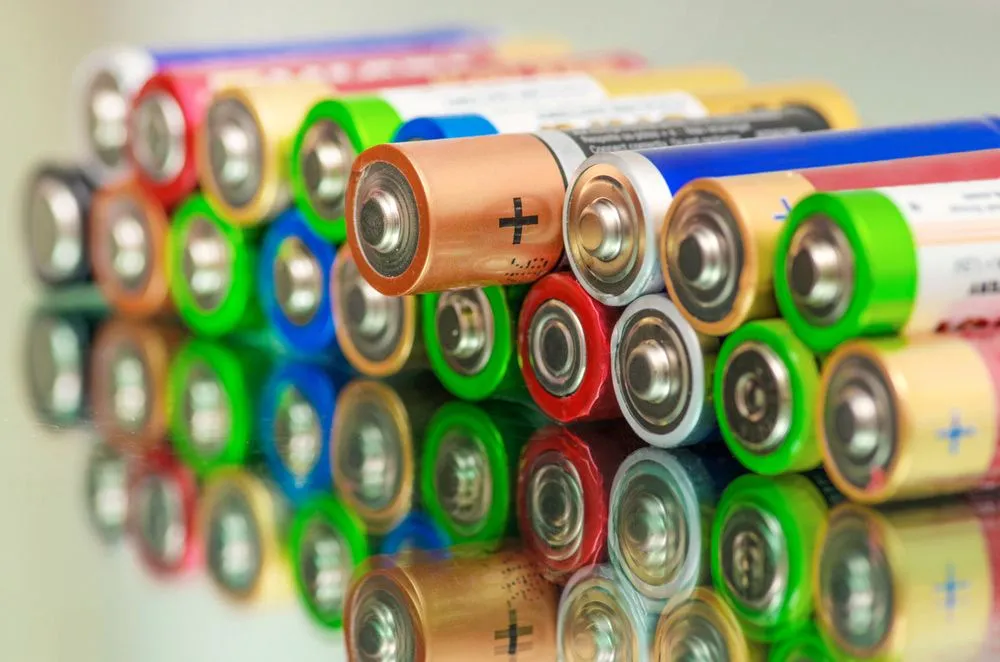
Find a BattG representative in Germany: Your guide to legally compliant compliance
Choosing a qualified authorized representative (AR) is the most important decision international companies can make to comply with the German

Germany’s Packaging Act FAQ: A Starter’s Guide for New Businesses
What the Packaging Act covers VerpackG applies to anyone who first places filled packaging on the German market—whether you manufacture in
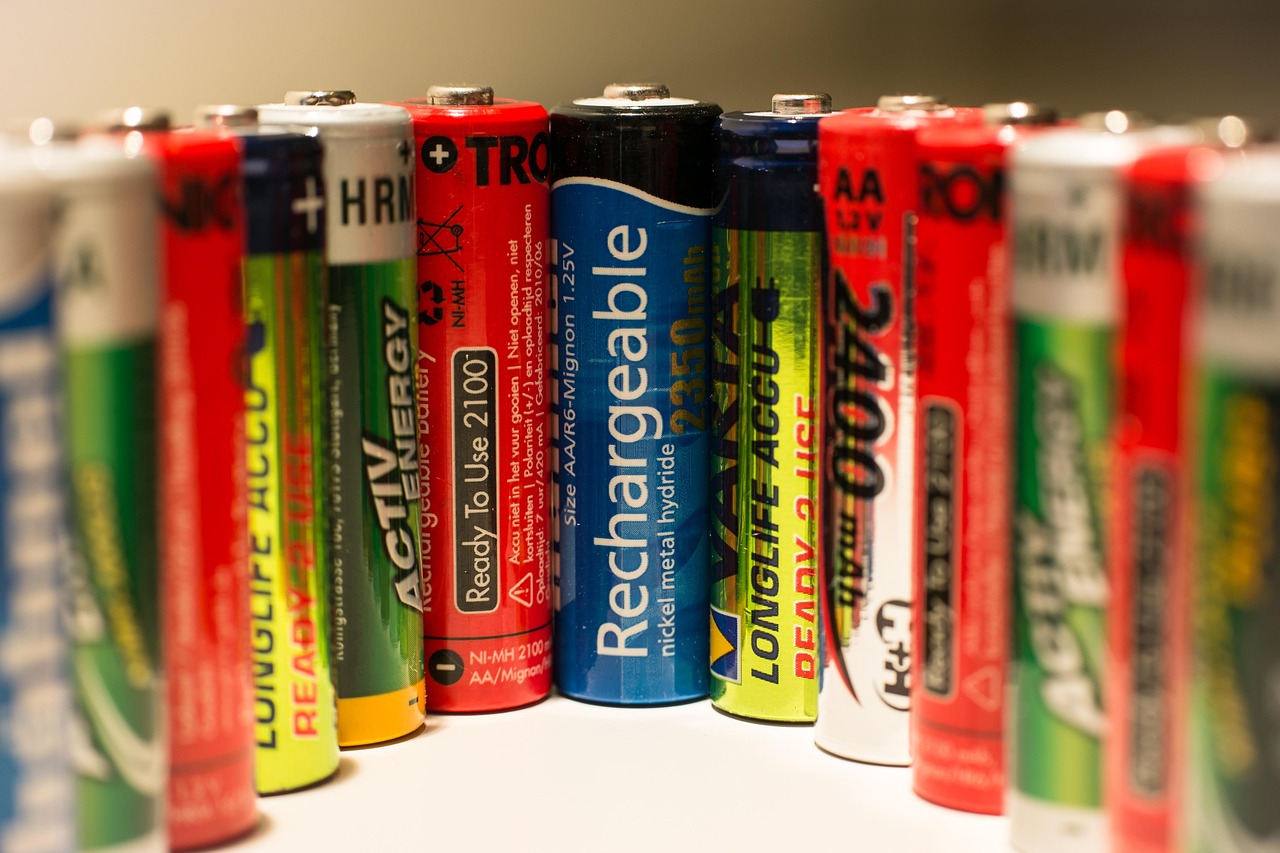
Reporting and Take-Back Obligations Under the German Battery Act (BattG)
The German Battery Act (BattG) imposes strict requirements on manufacturers, importers, and distributors to ensure environmentally responsible battery handling. Compliance
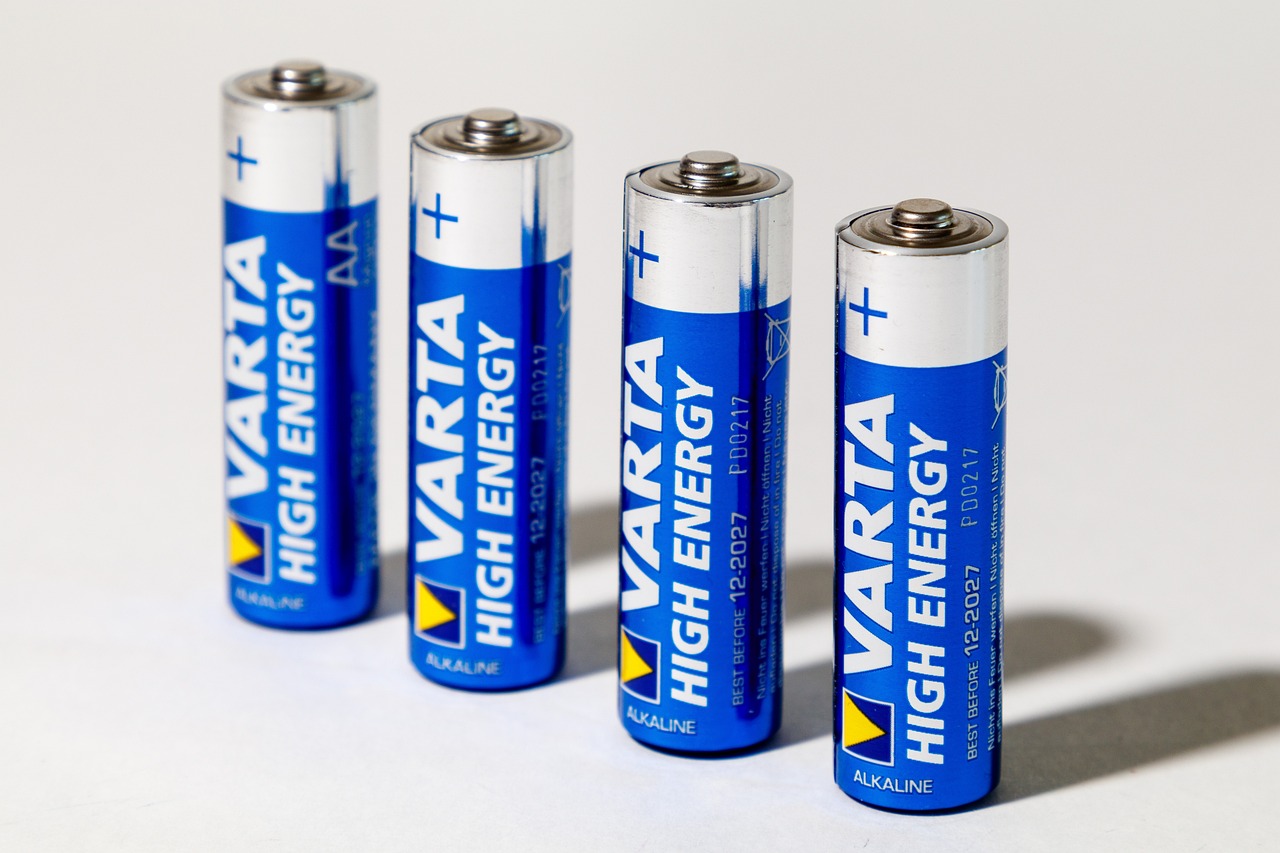
Who Is Affected by the Battery Act (BattG)? Roles, Obligations, and Market Scope Explained
The German Battery Act (BattG) applies to anyone placing batteries on the German market, covering manufacturers, importers, distributors, and retailers.
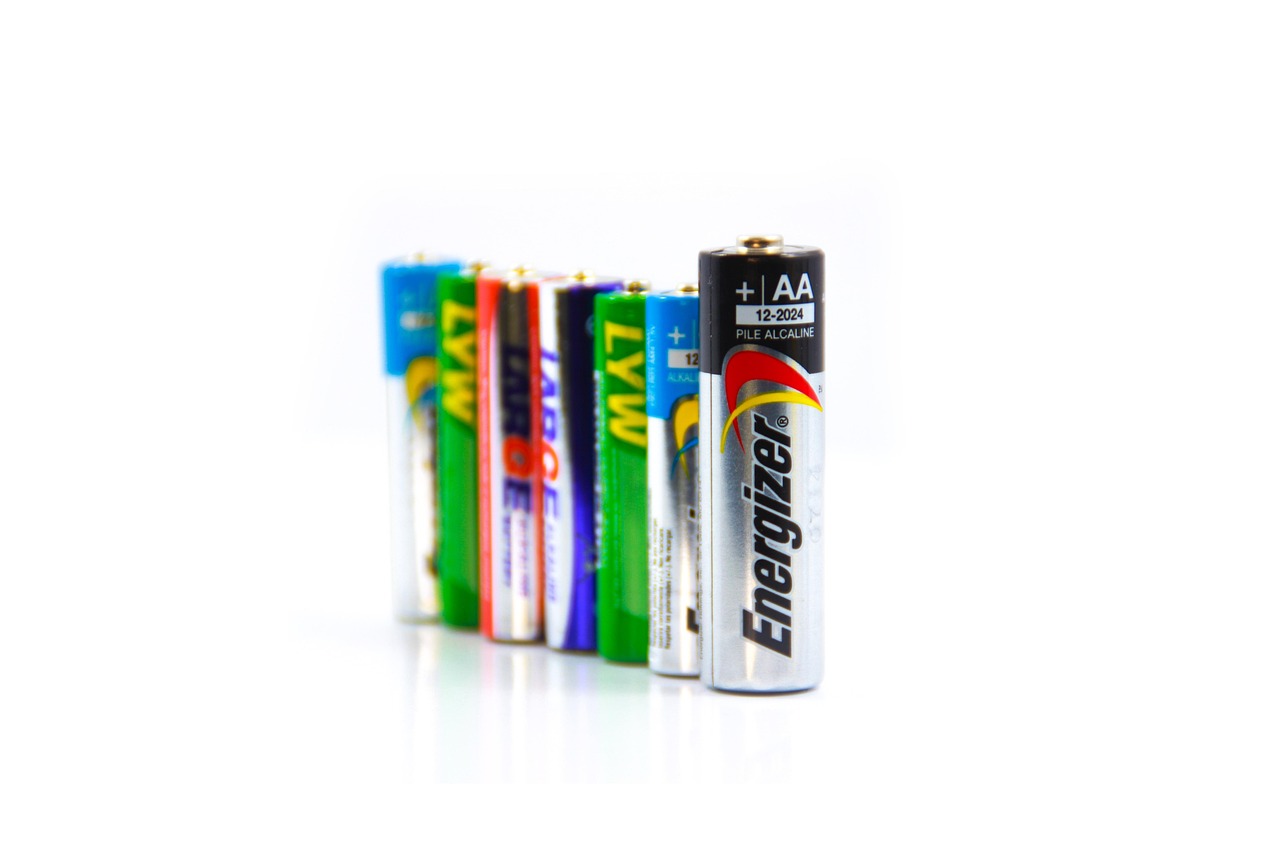
BattG vs. EU Battery Regulation: The Compliance Guide for Manufacturers
While the German Battery Act (BattG) set the national standard for registration, take-back, and recycling for many years, the EU Battery Regulation
Penalties for Non-Compliance With BattG: What You Need to Know
Understanding the risks of ignoring the German Battery Act (BattG) is essential for any business placing batteries on the German

Common compliance errors under Germany’s Single-Use Plastics Fund Act (EWKFondsG)
The Single-Use Plastics Fund Act (EWKFondsG) has fundamentally changed the rules of the game for manufacturers and importers in Germany.

The EWKFondsG: Germany’s path to a circular economy
With the Single-Use Plastics Fund Act (EWKFondsG), Germany is setting a decisive milestone in environmental protection. The law follows the

Compliance check: The most common mistakes under the Packaging Act (VerpackG)
The German Packaging Act places obligations on manufacturers and online retailers. Anyone who places packaging on the market in Germany

Germany’s New Single-Use Plastics Regulation 2025: Changes and Impacts
Germany is tightening the screws on single-use plastics in 2025. Building on EU-wide rules and earlier national measures, the new

Compliance Guide: Single-Use Plastics Fund Act (EWKFondsG) & SUP Regulation for Manufacturers
Compliance guide to the Single-Use Plastics Fund Act (EWKFondsG) Plastics regulation has evolved from a niche issue to a management

How SMEs Can Complete Germany’s Packaging Law Registration on a Budget
Entering the German market is attractive—but it comes with clear environmental responsibilities. The Packaging Act (Verpackungsgesetz, “VerpackG”) requires companies that
Germany’s Packaging Act and EU Environmental Rules: How Companies Can Comply with Both
The EU framework in brief While VerpackG sets Germany-specific procedures, it implements and goes beyond EU initiatives, chiefly: Packaging

The Most Common Compliance Mistakes—and What’s Really Going Wrong
Skipping or Delaying LUCID Registration What happens: Products are barred from sale; marketplaces and retailers may delist you immediately. Root

Germany’s Packaging Act 2025 Update: What Changes for B2C vs. B2B Companies
Why 2025 matters Germany’s Packaging Act (VerpackG) keeps evolving to push higher recycling rates and align with EU goals. In

Amazon Will Subsidy to Chinese Sellers Registering for Battery in the Netherlands, Poland, Sweden, and Ireland!
Chinese sellers on Amazon’s Netherlands, Poland, Ireland, and Sweden platforms, please check your inbox immediately to see if you have

EU Battery Compliance Guide: Key Requirements for Market Access
In the European Union, compliance with battery and accumulator regulations is crucial for businesses placing batteries on the market. The
Global Negotiations on Plastic Pollution: Next Round Begins in Geneva
From August 5 to 14, 2025, the international community will gather in Geneva to resume negotiations on a Global Treaty
Urgent Notice: Both Batteries and Packaging Must Be Registered to Obtain a Polish BDO Number
Urgent Notice from BDO Office According to the current Polish regulations on electrical equipment, batteries, and packaging materials, Polish authorities

Which Businesses Need to Understand the German Packaging Act?
Why the German Packaging Act Matters The German Packaging Act (VerpackG) came into effect to ensure that businesses take responsibility

Urgent Amazon Seller Alert: EU Battery Law Compliance Deadline Approaching
Scope of Application This regulation applies to both standalone batteries and batteries incorporated into products. Effective August 18, 2025, Amazon
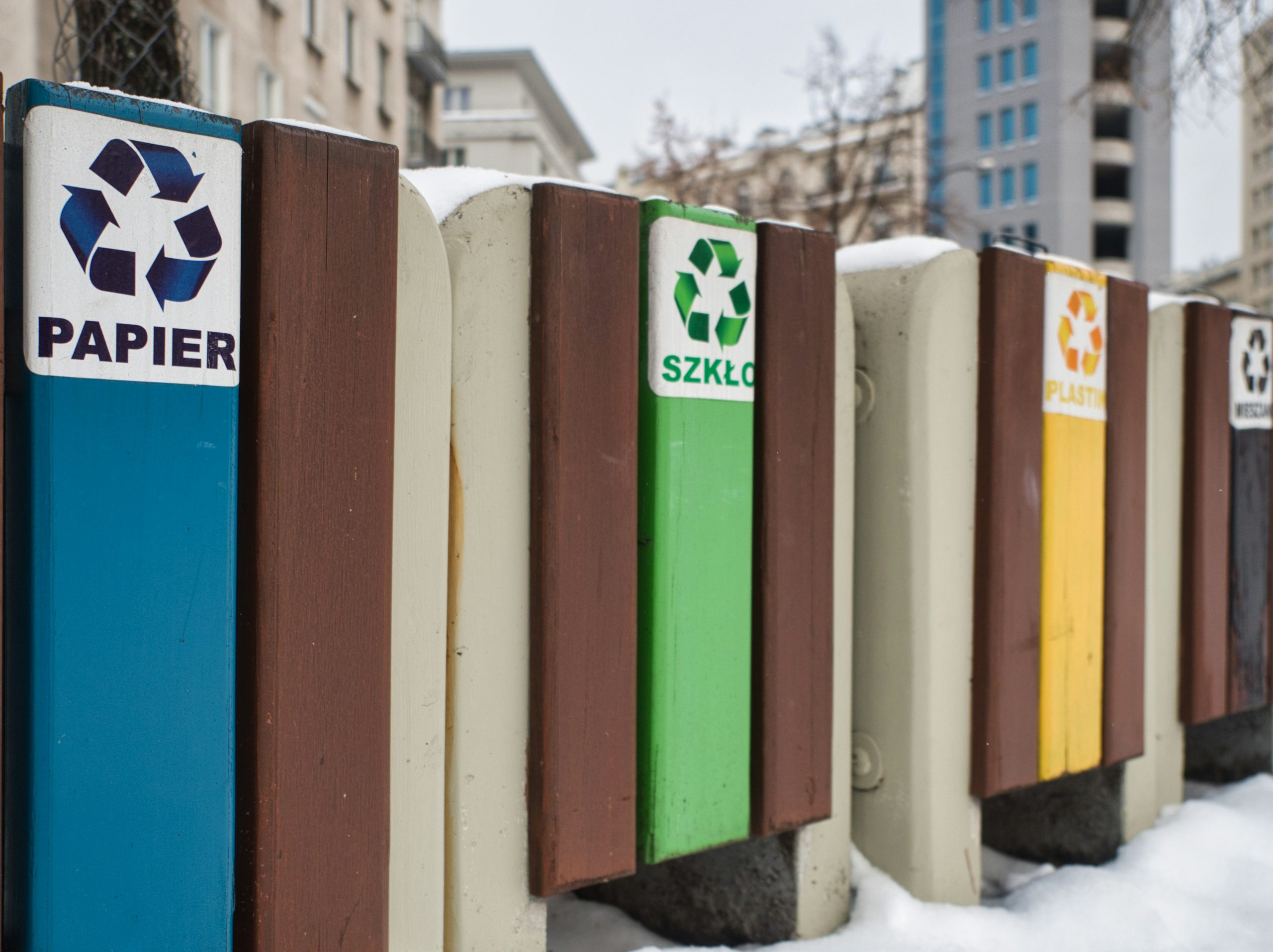
What is the German Recycling Act?
Germany is widely recognized for its rigorous environmental policies, particularly in the realm of recycling and waste management. The German
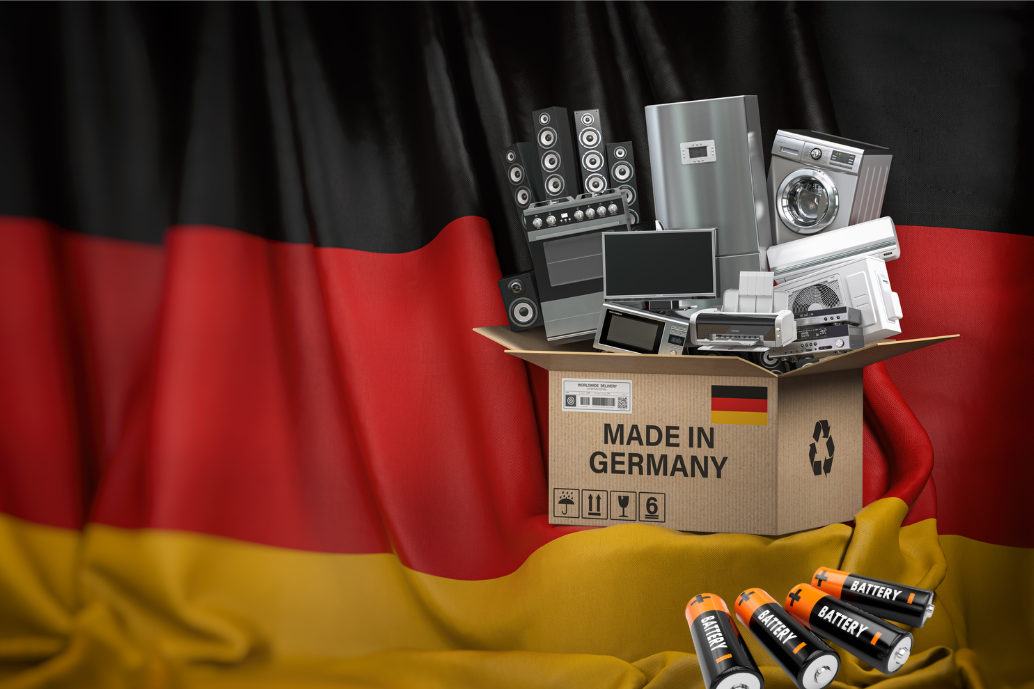
VerpackG vs. BattG vs. ElektroG: Understanding the Differences and Compliance Needs
As environmental regulations tighten across Europe, manufacturers and online sellers targeting the German market must understand their legal obligations under

Can eBay Sellers Ship to Germany?
Yes, eBay sellers can ship to Germany, but doing so requires more than just selecting a shipping carrier. To comply

EU Battery Compliance – non-European manufacturer
As a company outside of Europe aiming to enter the EU market, it is important to understand the various regulations

Poland’s BDO Waste Registry: Critical Updates for International Businesses
Since January 1, 2020, there have been significant changes in Poland’s waste management regulations that affect all companies dealing with
Understanding Single-Use Plastic (SUP): Regulations and Responsibilities in Germany
Plastic pollution has become one of the most urgent environmental issues of our time. Among the key contributors to this
How to avoid product bans and fines
To establish their products on the German market, it is very important that all electrical products are properly registered, especially

Ireland EPR: Requirements for Producers and Importers(2025 New requirements)
New requirements – producer responsibility in Ireland Ireland implements Extended Producer Responsibility (EPR) to manage various waste streams. Based on
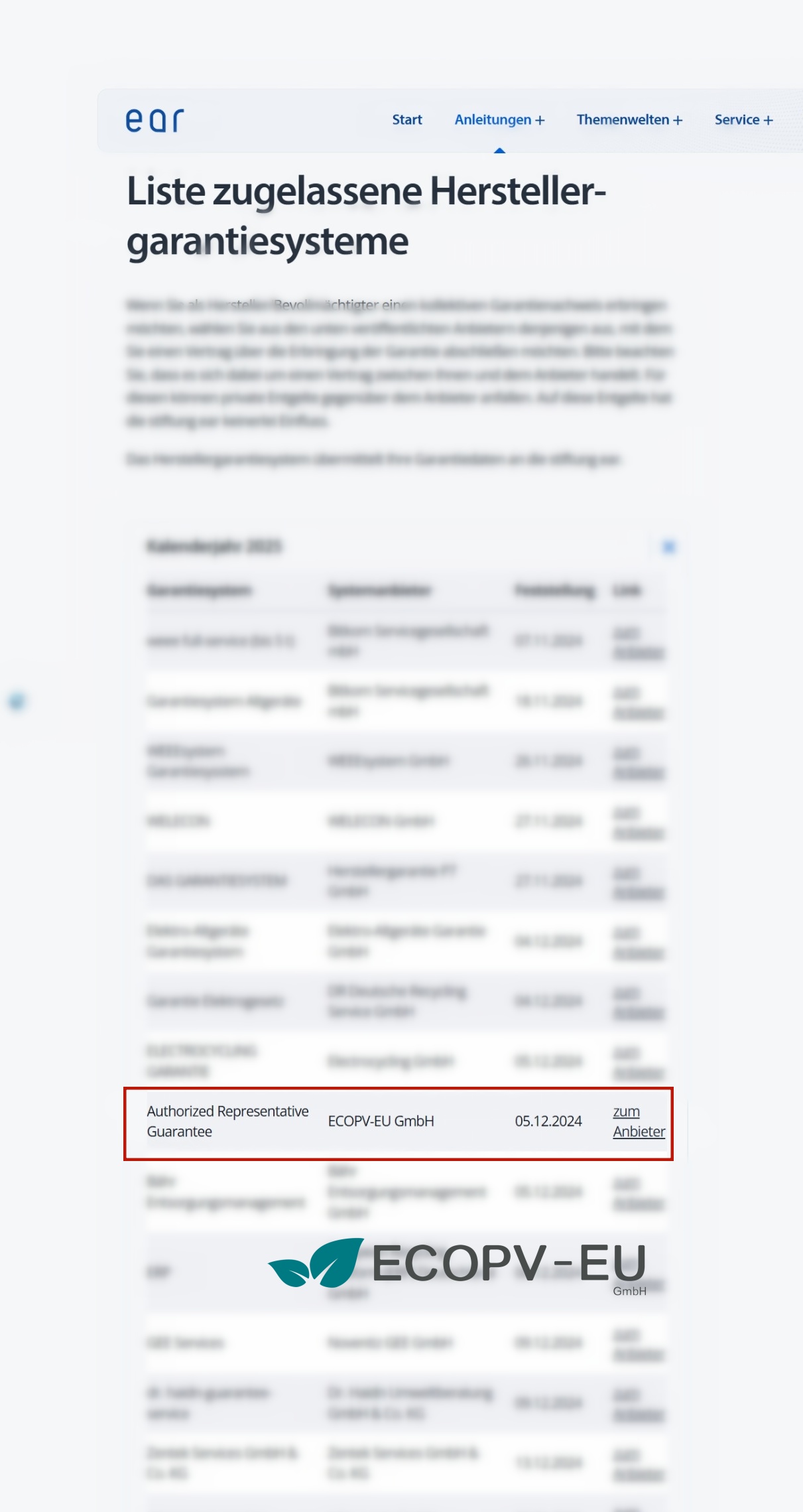
ECOPV-EU GmbH was recognised as an official guarantor
SUPER!!! Recognised as a guarantor by the EAR Foundation After undergoing comprehensive evaluations by Stiftung EAR, which is the compliance

Germany’s Single-Use Plastics Law: Mandatory Implementation by 2025
1.What is the Single-Use Plastics Law? Germany’s Single-Use Plastics Law (EinwegkunststoffG) is a regulation designed to reduce the environmental impact
Adaptation of rechargeable batteries required
The Verband der Elektrotechnik Elektronik Informationstechnik (VDE) e.V. and the Deutsche Kommission Elektrotechnik Elektronik Informationstechnik (DKE) have initiated a standardization

Do you need guarantees? – We give them to you!
We are growing! Discover our brand new in-house service! As of February 29, 2024, it’s official: we have expanded our


Good News! 17.000 Registration Capacity
Of course we still have room for you! ECOPV-EU GmbH is committed to delivering excellence in all areas and providing
WEEE Number – Why it is Indispensable and How ECOPV Assists You
WEEE-Nummer! Was ist das? If you are involved with electrical and electronic devices, you may come across the term “WEEE
PPWR Practical Check: Three Misconceptions About the New EU Packaging Regulation
The new EU Packaging Regulation (PPWR) represents one of the most comprehensive regulatory changes for the European economy. The goal
What Companies Need to Know About Eco-Modulation
Eco-modulation is a financial incentive and penalty system for packaging under the Extended Producer Responsibility (EPR) framework. Those who use
PPWR PFAS: New Limits & Bans Effective August 2026
Effective August 12, 2026, the new EU Packaging Regulation (PPWR) prohibits the placing on the market of food contact packaging
EPR Spain: Requirements for Packaging, WEEE, and Batteries
The Spanish Ministry of Ecological Transition (MITECO) is cracking down on Extended Producer Responsibility (EPR). Anyone who places packaging, batteries,
The ear Foundation: What is it all about and who needs to register?
Anyone who places electrical appliances or batteries on the market in Germany for the first time for commercial purposes is
EPR Registration 2026: How Does It Work?
Selling online through your own online stores or platforms such as Amazon and eBay makes Extended Producer Responsibility (EPR) a
Midterm Review: Six Months of the “Counter Model” Under the ElektroG
The latest amendment to the Electrical and Electronic Equipment Act (ElektroG4) has been in effect since January 2026. A key
Important Legislative Change: New Take-Back Requirement for Disposable E-Cigarettes
Starting July 1, 2026, expanded regulations for the sale of single-use vapes will take effect. All retail outlets must now
PPWR Declaration of Conformity: The Legal Foundation for Packaging Starting in August 2026
The new EU Packaging Regulation (PPWR) will take effect on August 12, 2026. Without a legally binding Declaration of Conformity
Germany’s Packaging Act – What Companies Need to Know About the LUCID Registry
Anyone who commercially places packaged goods into circulation in Germany is responsible for their disposal and recycling. The Packaging Act
Why the Tighter REACH Regulations Affect Every Product Supplier
The EU is drastically tightening its regulations on chemicals. This no longer affects just the chemical industry, but everyone who
From Intermediary to Enforcer – The Role of Marketplaces
Online marketplaces such as Amazon, eBay, and Zalando no longer act as passive intermediaries. With the entry into force of
WEEE regulations are changing: More markets. More complexity.
Anyone who sells electrical and electronic equipment in Europe quickly realizes that implementation of the WEEE Directive is inconsistent. The
EPR Authorized Representative for Packaging: PPWR Obligations Effective August 2026
With the EU Packaging Regulation (PPWR) set to take effect on August 12, 2026, cross-border trade is facing profound changes.
EPR Compliance in Italy in 2026: Do You Know Your Obligations Regarding Packaging, Batteries, and WEEE?
The Italian Ministry of the Environment (MASE) is cracking down on Extended Producer Responsibility (EPR). Anyone who places packaging, batteries,
The amount of portable batteries collected is steadily increasing!
The amount of portable batteries collected is steadily increasing! The amount of used batteries and rechargeable batteries collected in Germany
More than just recycling: How the R hierarchy guides the circular economy
In public discourse, recycling is often regarded as the ultimate solution. However, the scientific and legal waste hierarchy shows that
Photovoltaics in Germany: From a Launch in Space to a Mainstay of the Energy Mix
The modern solar cell was invented in 1954. Once an expensive technology used in satellites, it now supplies a large
The Future of the Solar Industry: What you need to know about the new EU regulations
Die Zukunft der PV-Branche: Was Sie über die neuen EU-Vorgaben wissen müssen Die Zukunft der PV-Branche: Was Sie über die
Circular Economy instead of Waste Export: A closer look at the new EU Waste Shipment Regulation
On November 21, 2026, the official ban on the export of EU plastic waste to non-OECD countries will take effect.Although
The “Disposal Wave”: What Happens to Our Solar Panels After 30 Years? ☀️♻️
The “Disposal Wave”: What Happens to Our Solar Panels After 30 Years? ☀️♻️ Die „Entsorgungswelle“: Was passiert mit unseren Solarmodulen
The Future of the Circular Economy: Collection Targets for Batteries
With the new Battery Act Implementation Act (BattDG) and the EU Battery Regulation, stricter rules for disposal and recycling are
The EU Repairability and Durability Index 2026/2027
The EU Repairability and Durability Index 2026/2027 In the summer of 2026, the “European Green Deal” will drive the transition
Guide and Checklist: EPR Compliance for Batteries in Belgium
Elementor #17155 Guide and Checklist: EPR Compliance for Batteries in Belgium Anyone who sells battery-powered products in Belgium is familiar
ECOPV-EU operates its own collection system for used device batteries
As an officially recognized Producer Responsibility Organization (PRO), ECOPV-EU is your certified partner and operational service provider for extended producer
PPWR 2026: The clock is ticking for the packaging industry!
The EU Packaging Regulation (PPWR) will take effect on August 12, 2026. The EU’s goal is to reduce waste by
Deceptive packaging: paper on the outside, plastic on the inside
We’re all familiar with takeout cups labeled “eco-friendly” or “sustainable.” But beneath that supposedly green exterior, there’s almost always a
The Microplastic Cycle: From Formation to Regulation
Microplastics are a ubiquitous reality in our environment and our bodies. The life cycle of these tiny particles can be
🔋Seeking Logistics Partners: Battery & Vehicle Disposal!
ECOPV-EU GmbH (an accredited Producer Responsibility Organization under Germany’s Battery Act (BattDG)) is establishing a Europe-wide network for take-back, logistics,
3 Steps to an Official Battery Collection Point with ECOPV-EU
Retailers and distributors are legally required to accept used batteries free of charge, provided they carry them in their product
Household Waste Checklist: What can go in and what has to stay out?
Conserving resources starts right at home. The misconception that modern sorting facilities can separate everything perfectly anyway persists. But what
Linear vs. Recycling vs. Circular Economy
The way we manufacture and use products is changing radically. But what do these technical terms mean in practice? 1.
Only a few weeks left until the PPWR!
The new EU Packaging Regulation (PPWR) is coming fast.Now is the time to prepare in a legally compliant manner and
The PPWR is coming: Here’s what will change for packaging starting in 2026!
Here is a quick overview of the official timeline: August 2026: Mandatory EU declaration of conformity, strict PFAS ban, and
Guide and Checklist: EPR Compliance for Packaging in France
Anyone who sells products in France is familiar with the issue: Extended Producer Responsibility (EPR) makes companies jointly responsible for
German Packaging Act Delayed: What will apply to businesses starting in August 2026?
Recent reports confirm a delay in the Packaging Act Implementation Act (VerpackDG). The reason for this is the European Commission’s
The Major ESG Roadmap starting in 2026: What companies need to know now
Did you know that we are in the midst of a critical phase of the EU’s sustainability strategy? Whereas “sustainability”
From Disposal to Circularity: The State of Waste Management in Germany
Germany produces nearly 380 million tons of waste annually. More than half of this consists of construction and demolition waste.
Urban Mining: The City as the Raw Materials Depot of the Future
We live in a world where raw materials are becoming scarcer, more expensive, and more geopolitically sensitive. At the same
Zero Waste Cities: Aspirations, Reality, and Economic Opportunities
The concept of “Zero Waste Cities” emerged from the realization that traditional waste management has reached its limits. Rising waste
Keep your EPR knowledge up to date!
Whether it’s new laws, the latest news, or useful background information: We’ll keep you up to date! The world of
Smart & Regulatory: The regulatory obligations of wearables
Smartwatches, fitness trackers, and smart clothing are among the fastest-growing product categories. Short innovation cycles, rapid market entry, and international
Repair instead of throwing away – the EU is getting serious 🔧
Two new regulations are fundamentally changing the way we deal with electronic devices: the Repairability Score and the Right to
65% collection target for waste electrical equipment: How far are we from meeting the target?
Millions of electrical appliances are sold in Germany every year – in 2024 alone, approximately 2.8 million tons of new
Why your old iPhone is worth more than a gold mine
A ton of old iPhones contains significantly more gold than a ton of gold ore. What sounds absurd is a
The Recycling Cycle: How Is my old electronic device recycled?
Do you know what happens to your old smartphone after you turn it in? There is much more work and
May 15: The deadline for reporting single-use plastics
Since the EWKFondsG came into effect, manufacturers have been required to report, by May 15 of each year, the single-use
Blue Angel, EU Ecolabel, and the green confusion on our packaging
When you pick up a bottle of shower gel at the supermarket today, you’re often faced with a jumble of
Navigating the compliance jungle with ease – trusted by 20,000 companies
Since our founding, ECOPV-EU has successfully guided more than 20,000 companies through the complex world of EPR compliance.For electrical and
♻️ “100% recyclable” – A promise or just empty words?
They’re everywhere in the supermarket: green labels and claims like “sustainable” or “fully recyclable.” But theory and practice often diverge.
♻️ Refurbished – A second chance instead of electronic waste
Many people are familiar with this scenario: After buying a new phone, the old one ends up unused in a
ZEREZ – What’s behind the requirement for solar power systems?
As of February 1, 2025, it is mandatory in Germany to provide the ZEREZ ID for the grid connection of
WEEE number: Required for the sale of electrical appliances in Germany
Anyone who manufactures electrical appliances in Germany, imports them into Germany, or offers them for sale here for the first
PPWR: What’s Changing in Fruit and Vegetable Packaging Starting in 2030
Starting August 12, 2026, the EU Packaging Regulation (PPWR) will become mandatory in all EU member states, thereby replacing existing
Cigarette Butts: The underestimated hazardous waste in our environment
Flicking cigarette butts onto the street is often still tolerated, even though a single butt – with its mix of
Who pays for cleanliness? The focus on Single-Use Plastics
Single-use plastic products end up as litter in our environment far too often and pollute the oceans. To combat littering,
Plastic-Free Straws: What the ban really achieves – and which alternative is gaining ground
Since July 3, 2021, single-use plastic straws may no longer be placed on the market in the EU. The directive
Earth Day 2026
Today is April 22. This date is more than just a mark on the calendar – it stands worldwide for
Removable batteries in smartphones will be mandatory starting in 2027
Starting in 2027, there will be a noticeable change for smartphones in the EU: The removable battery is making a
Tethered Caps: Why the lid now stays attached to the bottle ♻️
Have you ever gotten frustrated by a cap that’s stuck to the bottle when you’re trying to drink? Since July
Disposable vapes: Fires in trash cans and recycling centers
The use of disposable e-cigarettes is booming – and with it, a massive safety risk. Because the built-in lithium-ion batteries
To-go cup tax: The cost of disposable cups is rising – who pays what?
According to DUH (Environmental Action Germany), Germany consumed approximately 36 billion single-use packaging items in 2022 (8 billion cups, 28
PFAS: Why these “forever chemicals” are now being regulated
PFAS are a large group of artificially produced chemicals. Experts often refer to them as “forever chemicals.” The reason for
What exactly is the insolvency-proof guarantee?
Anyone selling electrical appliances in Germany must comply with important legal regulations. A key requirement is the insolvency-proof guarantee. Many
ElektroG Compliance: What matters when it comes to small appliances
Did you know that a flashing greeting card is legally classified as an electrical device? The reason is the “open
🔋 E-bike Batteries: Boom, Fire Hazard & Disposal
The numbers speak for themselves: 15.7 million e-bikes were on German roads in 2024 – a massive increase compared to
Recyclates Explained: From Plastic Waste to Valuable Raw Material
Recycled materials are more than just “recycled plastic.”They are a key raw material for the circular economy and help us
Which category does my device fall into?
Anyone who places electrical or electronic equipment on the market in Germany is required by the ElektroG to register with
EPR Representative Authorization: Rules for Packaging, Equipment, and Batteries
Anyone selling products in Europe will quickly come across the term EPR (Extended Producer Responsibility). However, one key point is
Take-back obligations for waste electrical and electronic equipment under the ElektroG4
The Electrical and Electronic Equipment Act (ElektroG) regulates the environmentally sound disposal of electrical and electronic equipment. Since the ElektroG4
EPR 2026: The Compliance Check for E-Commerce / Online Retail
Extended Producer Responsibility (EPR) holds companies accountable: Anyone who places products on the market is responsible for their entire lifecycle
🔋 Dispose of batteries properly!
Whether they’re empty button cells, rechargeable batteries from digital cameras, or batteries from remote controls: once they’re used up, the
OfH Check 2026: Roles and Responsibilities of Manufacturers, Retailers, and OfH!
The new Battery Act Implementation Act (BattDG) has been in effect in Germany since October 7, 2025. It transposes the
EUNR is launching! A new network of European packaging registers
Brand new and officially launched: 16 EU member states have joined forces in the European National Registers Network (EUNR) to
🔆 PV Modules Under the ElektroG4 – Key Questions and Answers for Manufacturers and Dealers
With the ElektroG4, which took effect on January 1, 2026, new and stricter obligations apply to manufacturers and retailers. Here
🔋New as of January 1: Why the counter model makes waste disposal safer now
As of January 1, 2026, a significant change has taken effect at all municipal recycling centers and collection points in
Solar Panels: What Manufacturers Need to Know About the 72-Hour Window
Since October 2015, PV modules have been subject to the WEEE Directive. The biggest challenge here is the tight timeframe
Design for Recycling: A package’s fate is determined at the moment of its creation ♻️
Multi-layer composite films that cannot be separated. Labels that contaminate plastic. Black packaging that sorting systems cannot detect. All of
🔋The 5 battery categories under the BattDG
The regulatory landscape for batteries has undergone a fundamental transformation. The old Battery Act (BattG) of 2009, which distinguished between
No more “empty air”: PPWR puts an end to wasted space!
We’ve all been there: you order a small charging cable and end up with a box the size of a
♻️ Global Recycling Day: What’s it all about?
Last week was Global Recycling Day – but what exactly are we celebrating? World Recycling Day is an annual international
Single-use plastics: Germany tightens regulations – what matters in 2026 🌍
Plastic is everywhere. In every supermarket, at every coffee stand, in every bag. And that’s exactly the problem. The extent:
WEEE Check: An Overview of the 6 Categories
WEEE categories determine your obligations—and whether your registration with the ear Foundation is truly legally compliant. Under the “Open Scope”
PPWR & VerpackDG
Compliance has long been mandatory – it determines market access. While many are still grappling with Germany’s Packaging Act (VerpackG),
☀️ Solar Panels: What You Need to Know
The solar industry is the backbone of the energy transition. However, from a regulatory standpoint, manufacturers and importers of photovoltaic
PPWR: Why B2B Companies Need to Act Now
For a long time, packaging regulations primarily applied to the consumer market (B2C). Industrial and transport packaging were subject to
What exactly is the OfH?
The new Battery Act Implementation Act (BattDG), which has been in effect since October 7, 2025, has fundamentally redefined the
Retailers, take note: First a take-back obligation, then a sales ban on vapes?
The year 2026 marks a turning point for disposable e-cigarettes. Anyone still selling vapes today needs to prepare for three
🔋Quick FAQ: From the German BattG to the new BattDG & the Battery Passport!
The new EU Battery Regulation and the German Battery Implementation Act (BattDG) have significantly tightened the rules governing the placing
🔋 The New Battery Law of 2026: What Businesses Need to Know Now
The battery market is changing rapidly—and so are the legal regulations. Anyone selling batteries, rechargeable batteries, or devices with built-in
The digital battery passport is coming!
Starting in February 2027, the EU Battery Passport will become mandatory! It is much more than just a label.
The Digital Product Passport (DPP): The most important facts at a glance
Imagine scanning a QR code on your new washing machine and immediately finding out: Where did the steel used in
The end of non-removable batteries!
The end of permanently installed batteries! The era of permanently bonded batteries is coming to an end. The requirement
EPR compliance from a single source: your full-service partner ECOPV-EU
EPR compliance is becoming increasingly complex—we make it simple. Whether it’s ElektroG, BattDG, or PPWR: ECOPV-EU has been your expert
Quick FAQ: Latest news on the ElektroG & ElektroG4
The Electrical and Electronic Equipment Act is being tightened. With ElektroG4, new obligations will be imposed on manufacturers, online shops,
Bye-bye, mini shampoo: The end of an era in hotel bathrooms!
Who hasn’t packed the little bottles of shower gel from the hotel bathroom as a souvenir? That will soon be
ElektroG4 compact: The update for 2026
The ElektroG (Electrical and Electronic Equipment Act) has regulated the disposal of technical waste since 2005. The new ElektroG4 amendment,
Quick FAQ: Packaging Act & PPWR
The transition from the German Packaging Act (VerpackG) to the new EU Packaging Regulation (PPWR) will bring far-reaching changes for
Quick FAQ: Single-Use Plastics Fund Act (EWKFondsG): Everything you need to know right now!
The regulatory requirements for manufacturers and distributors of single-use plastic products reached a new level in 2026. After years of
New EU recycling logos: What manufacturers can expect with the PPWR
The EU Commission is getting serious about harmonizing waste separation.The Joint Research Center (JRC) recently published the technical draft for
PPWR 2030: The roadmap to a circular economy – New standards for packaging compliance
The EU Packaging Regulation (PPWR) officially came into force on February 12, 2025. While 2026 marks the administrative starting point,
Free collection of used batteries by ECOPV-EU GmbH
ECOPV GmbH is your authorized organization for producer responsibility (OfH) for waste portable batteries in accordance with Section 8 of
ECOPV-EU: Officially recognized by the EAR Foundation as an organization for producer responsibility (OfH)
Officially confirmed: ECOPV-EU GmbH is now listed as a producer responsibility organization (PRO) in the official directory of the EAR
How the Battery Act (BattG) Impacts E-Commerce Sellers and Online Marketplaces
The German Battery Act (BattG) imposes strict environmental responsibilities on businesses placing batteries or battery-containing products on the German market.
What Is the German Battery Act (BattG)? A Complete for Manufacturers and Importers
The German Battery Act (BattG): Compliance Guide for Businesses The German Battery Act (BattG) is the national implementation of the
How to Register Under the German Battery Act (BattG): Step-by-Step Compliance Guide
The German Battery Act (BattG) sets strict rules for placing batteries on the German market, aiming to improve collection, recycling,
BattG compliance: Avoid the 5 most common mistakes under the Battery Act
The German Battery Act (BattG) strictly regulates the disposal and marketing of batteries and accumulators. Anyone who sells batteries, rechargeable
Find a BattG representative in Germany: Your guide to legally compliant compliance
Choosing a qualified authorized representative (AR) is the most important decision international companies can make to comply with the German
Germany’s Packaging Act FAQ: A Starter’s Guide for New Businesses
What the Packaging Act covers VerpackG applies to anyone who first places filled packaging on the German market—whether you manufacture in
Reporting and Take-Back Obligations Under the German Battery Act (BattG)
The German Battery Act (BattG) imposes strict requirements on manufacturers, importers, and distributors to ensure environmentally responsible battery handling. Compliance
Who Is Affected by the Battery Act (BattG)? Roles, Obligations, and Market Scope Explained
The German Battery Act (BattG) applies to anyone placing batteries on the German market, covering manufacturers, importers, distributors, and retailers.
BattG vs. EU Battery Regulation: The Compliance Guide for Manufacturers
While the German Battery Act (BattG) set the national standard for registration, take-back, and recycling for many years, the EU Battery Regulation
Penalties for Non-Compliance With BattG: What You Need to Know
Understanding the risks of ignoring the German Battery Act (BattG) is essential for any business placing batteries on the German
Common compliance errors under Germany’s Single-Use Plastics Fund Act (EWKFondsG)
The Single-Use Plastics Fund Act (EWKFondsG) has fundamentally changed the rules of the game for manufacturers and importers in Germany.
The EWKFondsG: Germany’s path to a circular economy
With the Single-Use Plastics Fund Act (EWKFondsG), Germany is setting a decisive milestone in environmental protection. The law follows the
Compliance check: The most common mistakes under the Packaging Act (VerpackG)
The German Packaging Act places obligations on manufacturers and online retailers. Anyone who places packaging on the market in Germany
Germany’s New Single-Use Plastics Regulation 2025: Changes and Impacts
Germany is tightening the screws on single-use plastics in 2025. Building on EU-wide rules and earlier national measures, the new
Compliance Guide: Single-Use Plastics Fund Act (EWKFondsG) & SUP Regulation for Manufacturers
Compliance guide to the Single-Use Plastics Fund Act (EWKFondsG) Plastics regulation has evolved from a niche issue to a management
How SMEs Can Complete Germany’s Packaging Law Registration on a Budget
Entering the German market is attractive—but it comes with clear environmental responsibilities. The Packaging Act (Verpackungsgesetz, “VerpackG”) requires companies that
Germany’s Packaging Act and EU Environmental Rules: How Companies Can Comply with Both
The EU framework in brief While VerpackG sets Germany-specific procedures, it implements and goes beyond EU initiatives, chiefly: Packaging
The Most Common Compliance Mistakes—and What’s Really Going Wrong
Skipping or Delaying LUCID Registration What happens: Products are barred from sale; marketplaces and retailers may delist you immediately. Root
Germany’s Packaging Act 2025 Update: What Changes for B2C vs. B2B Companies
Why 2025 matters Germany’s Packaging Act (VerpackG) keeps evolving to push higher recycling rates and align with EU goals. In
Amazon Will Subsidy to Chinese Sellers Registering for Battery in the Netherlands, Poland, Sweden, and Ireland!
Chinese sellers on Amazon’s Netherlands, Poland, Ireland, and Sweden platforms, please check your inbox immediately to see if you have
EU Battery Compliance Guide: Key Requirements for Market Access
In the European Union, compliance with battery and accumulator regulations is crucial for businesses placing batteries on the market. The
Global Negotiations on Plastic Pollution: Next Round Begins in Geneva
From August 5 to 14, 2025, the international community will gather in Geneva to resume negotiations on a Global Treaty
Urgent Notice: Both Batteries and Packaging Must Be Registered to Obtain a Polish BDO Number
Urgent Notice from BDO Office According to the current Polish regulations on electrical equipment, batteries, and packaging materials, Polish authorities
Which Businesses Need to Understand the German Packaging Act?
Why the German Packaging Act Matters The German Packaging Act (VerpackG) came into effect to ensure that businesses take responsibility
Urgent Amazon Seller Alert: EU Battery Law Compliance Deadline Approaching
Scope of Application This regulation applies to both standalone batteries and batteries incorporated into products. Effective August 18, 2025, Amazon
What is the German Recycling Act?
Germany is widely recognized for its rigorous environmental policies, particularly in the realm of recycling and waste management. The German
VerpackG vs. BattG vs. ElektroG: Understanding the Differences and Compliance Needs
As environmental regulations tighten across Europe, manufacturers and online sellers targeting the German market must understand their legal obligations under
Can eBay Sellers Ship to Germany?
Yes, eBay sellers can ship to Germany, but doing so requires more than just selecting a shipping carrier. To comply
EU Battery Compliance – non-European manufacturer
As a company outside of Europe aiming to enter the EU market, it is important to understand the various regulations
Poland’s BDO Waste Registry: Critical Updates for International Businesses
Since January 1, 2020, there have been significant changes in Poland’s waste management regulations that affect all companies dealing with
Understanding Single-Use Plastic (SUP): Regulations and Responsibilities in Germany
Plastic pollution has become one of the most urgent environmental issues of our time. Among the key contributors to this
How to avoid product bans and fines
To establish their products on the German market, it is very important that all electrical products are properly registered, especially
Ireland EPR: Requirements for Producers and Importers(2025 New requirements)
New requirements – producer responsibility in Ireland Ireland implements Extended Producer Responsibility (EPR) to manage various waste streams. Based on
ECOPV-EU GmbH was recognised as an official guarantor
SUPER!!! Recognised as a guarantor by the EAR Foundation After undergoing comprehensive evaluations by Stiftung EAR, which is the compliance
Germany’s Single-Use Plastics Law: Mandatory Implementation by 2025
1.What is the Single-Use Plastics Law? Germany’s Single-Use Plastics Law (EinwegkunststoffG) is a regulation designed to reduce the environmental impact
Adaptation of rechargeable batteries required
The Verband der Elektrotechnik Elektronik Informationstechnik (VDE) e.V. and the Deutsche Kommission Elektrotechnik Elektronik Informationstechnik (DKE) have initiated a standardization
Do you need guarantees? – We give them to you!
We are growing! Discover our brand new in-house service! As of February 29, 2024, it’s official: we have expanded our
Good News! 17.000 Registration Capacity
Of course we still have room for you! ECOPV-EU GmbH is committed to delivering excellence in all areas and providing
WEEE Number – Why it is Indispensable and How ECOPV Assists You
WEEE-Nummer! Was ist das? If you are involved with electrical and electronic devices, you may come across the term “WEEE